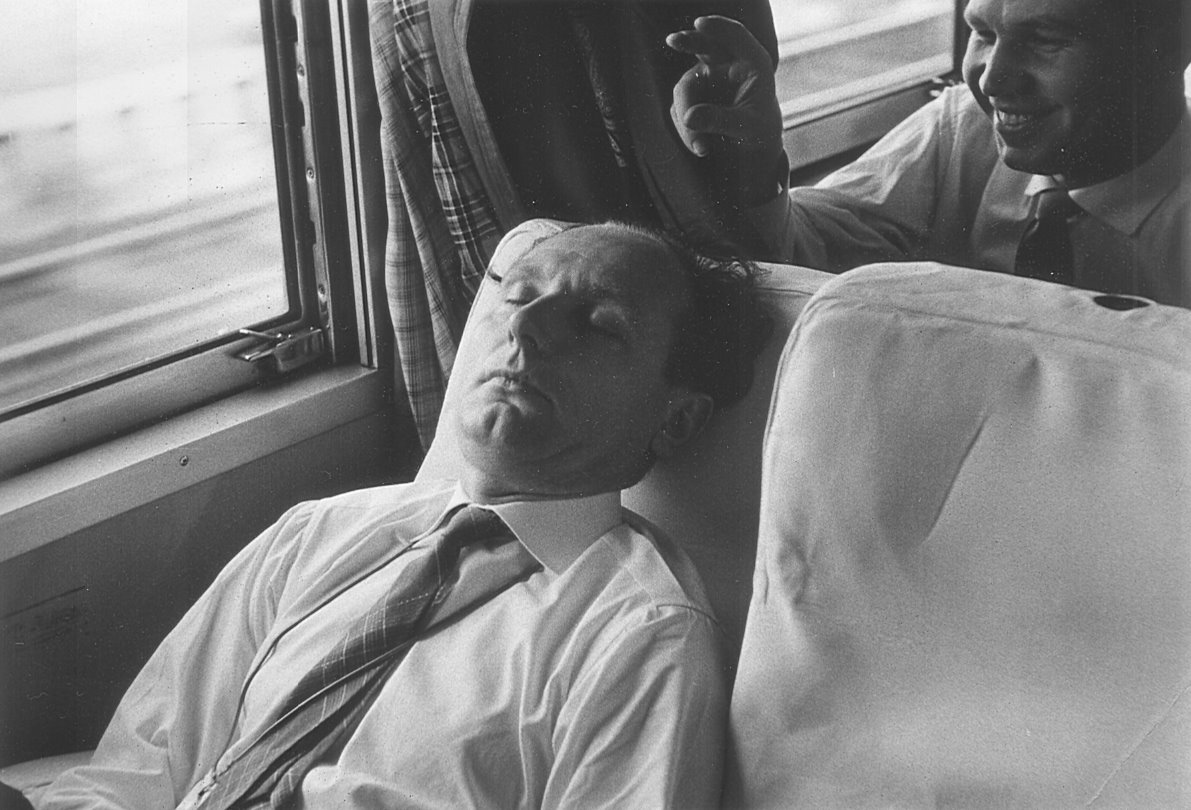
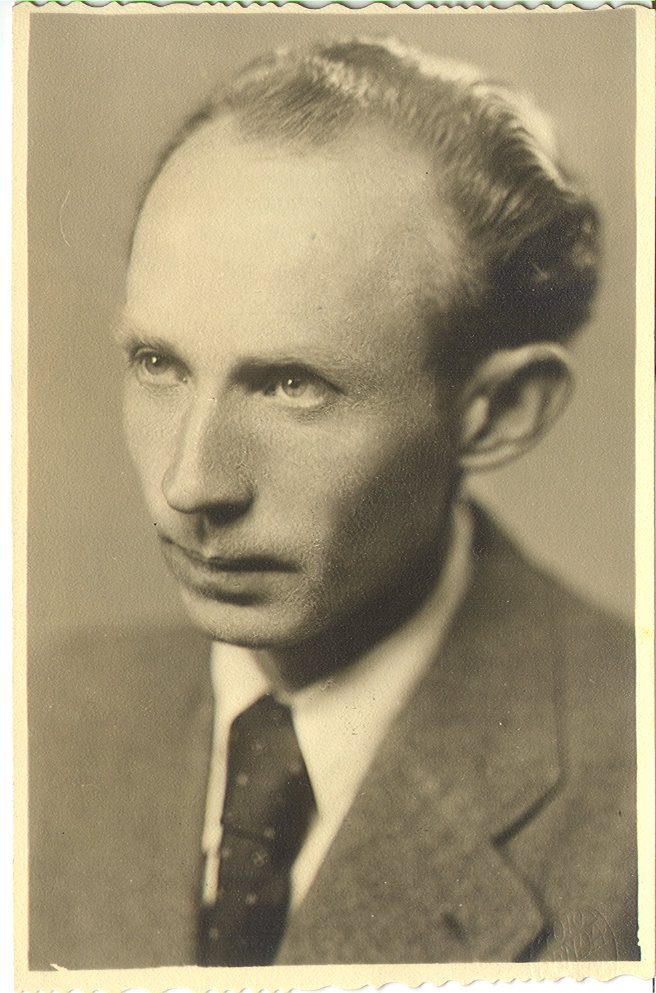
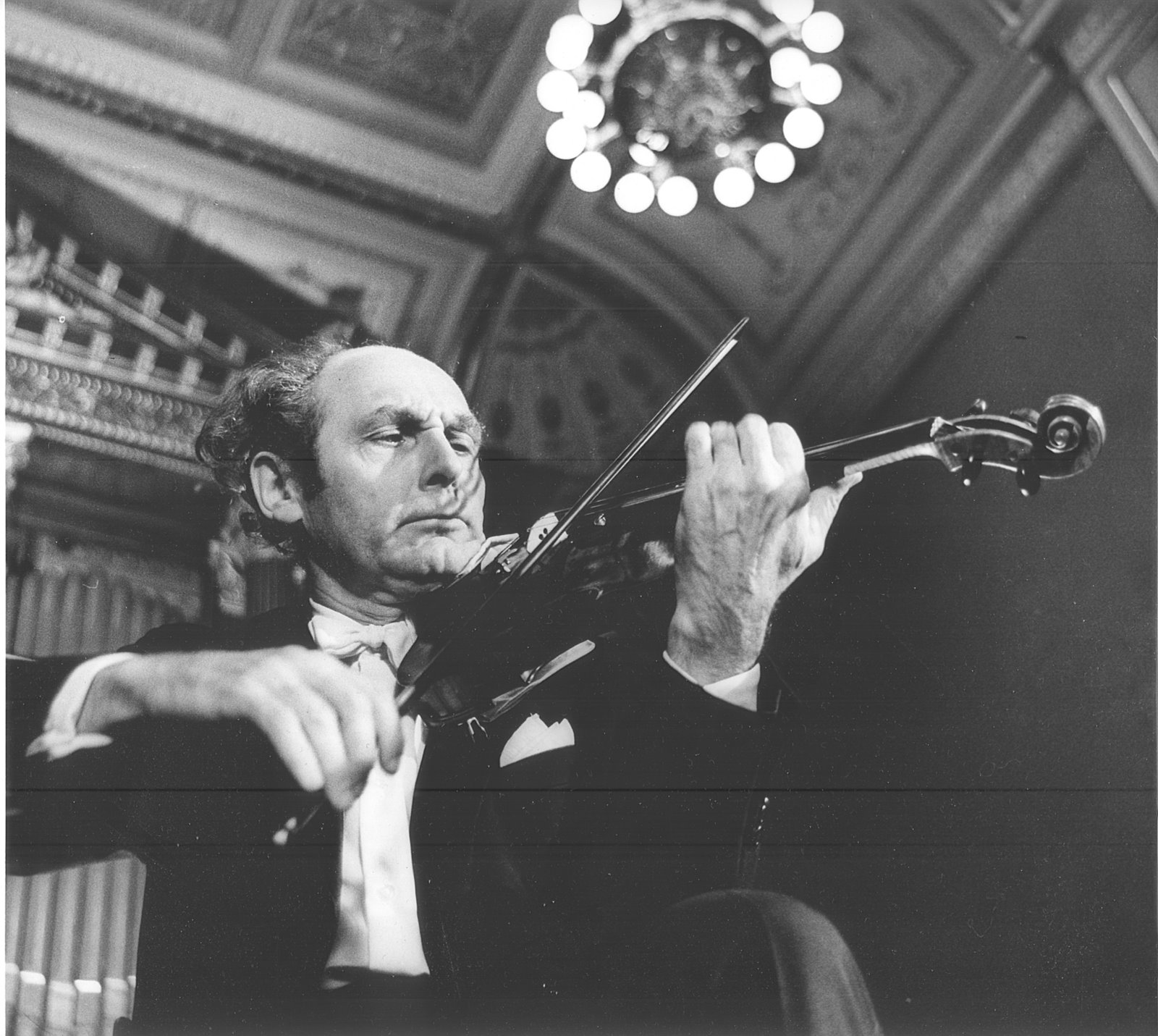
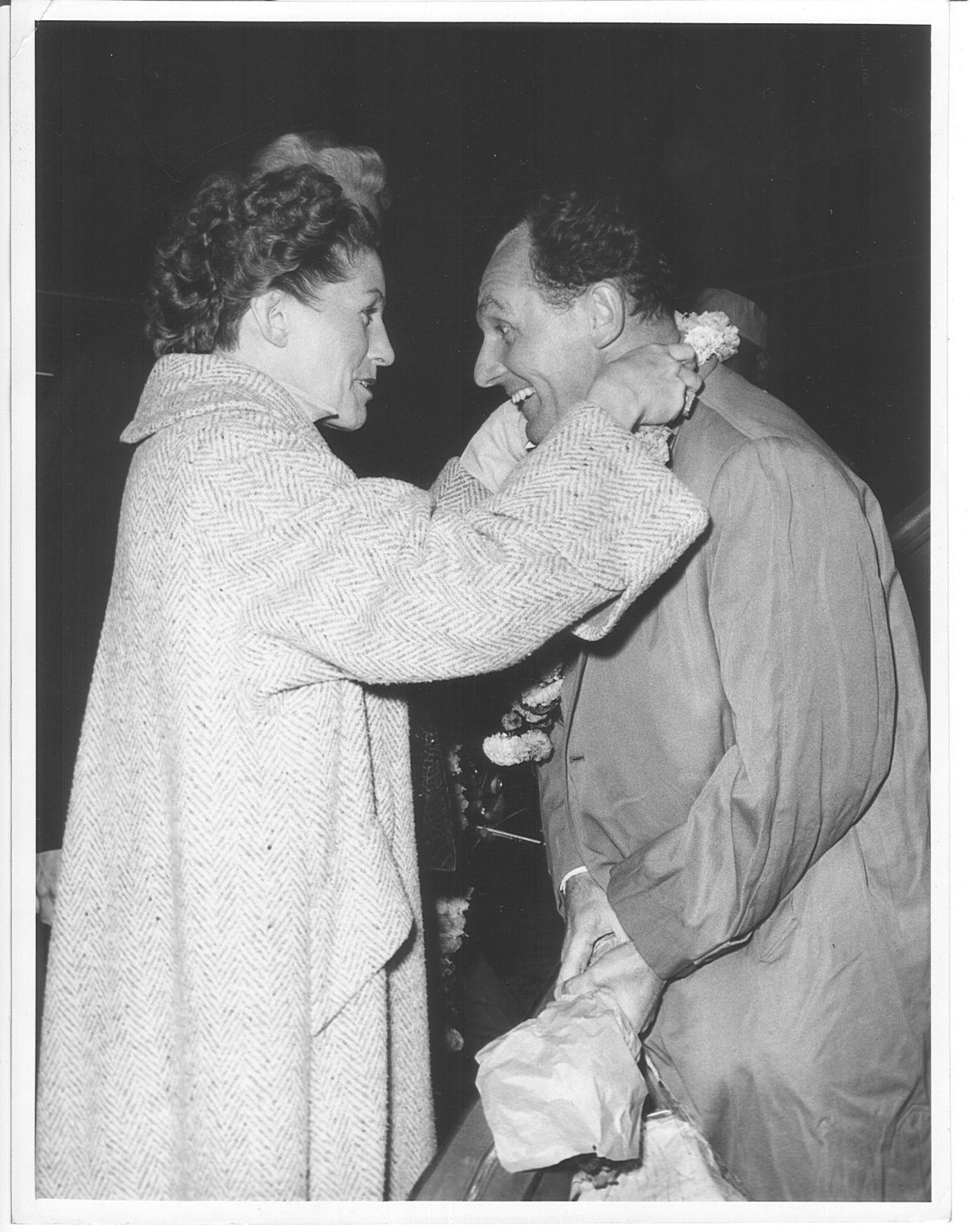
second violins (1943-1989), *1922 †2003
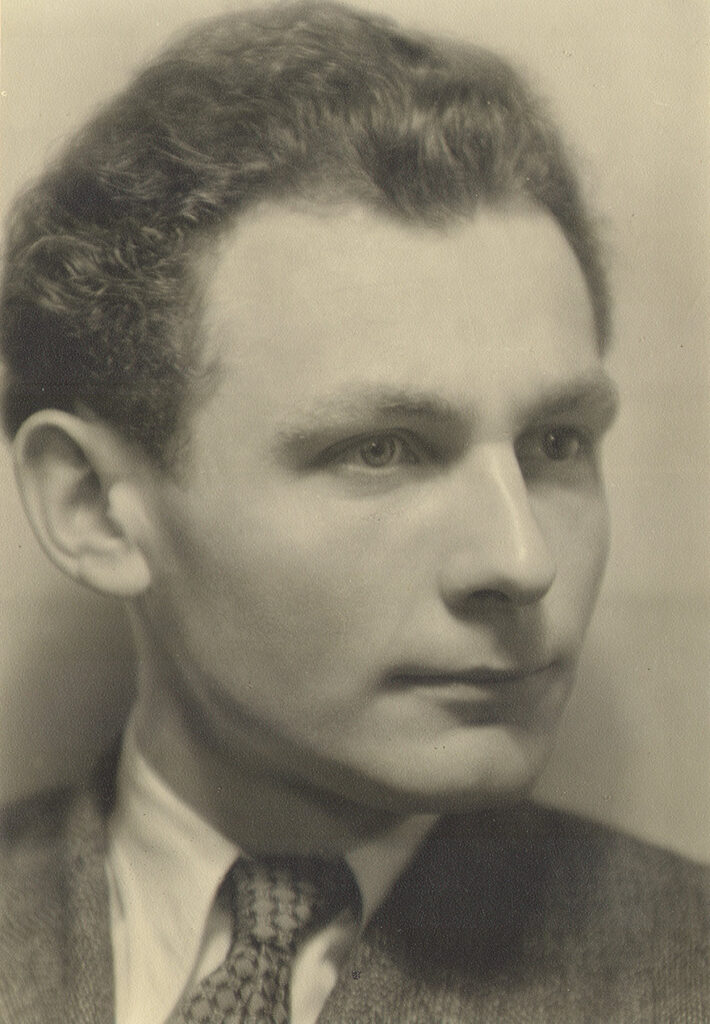
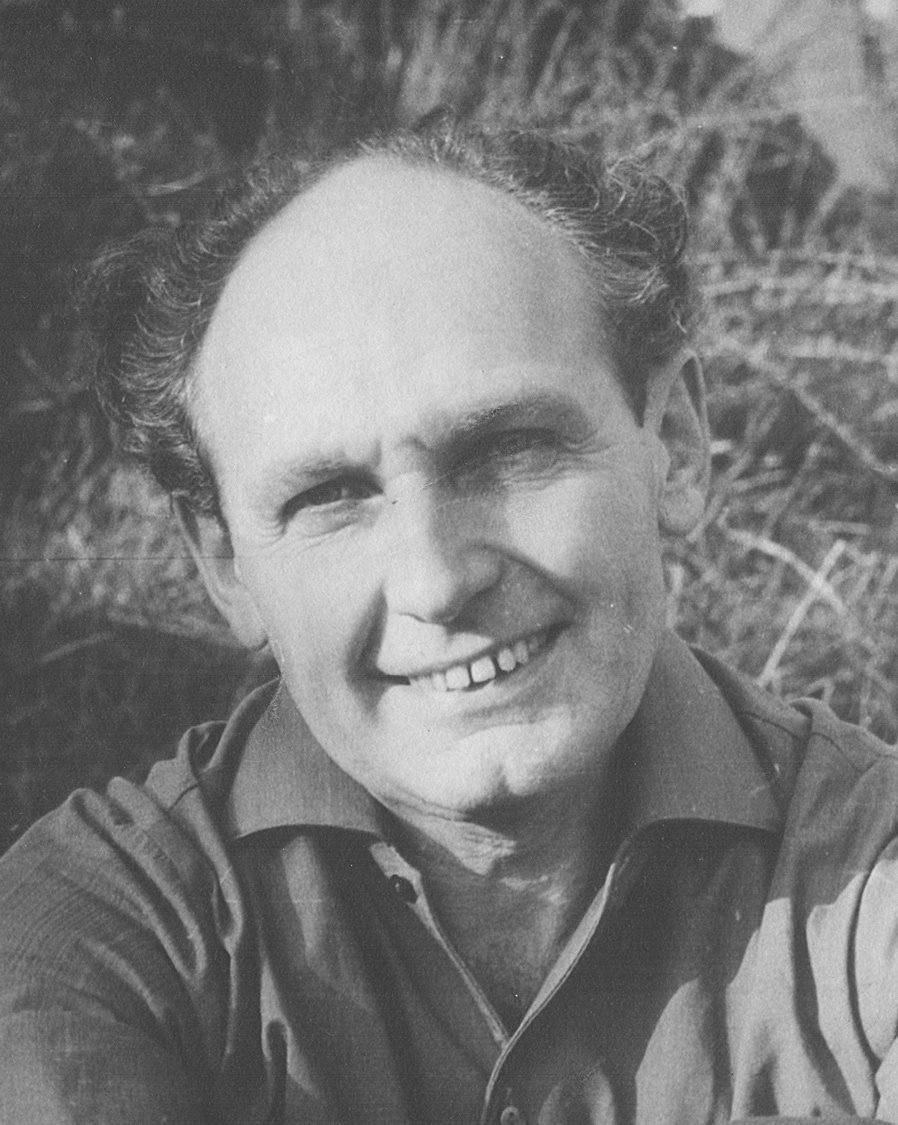
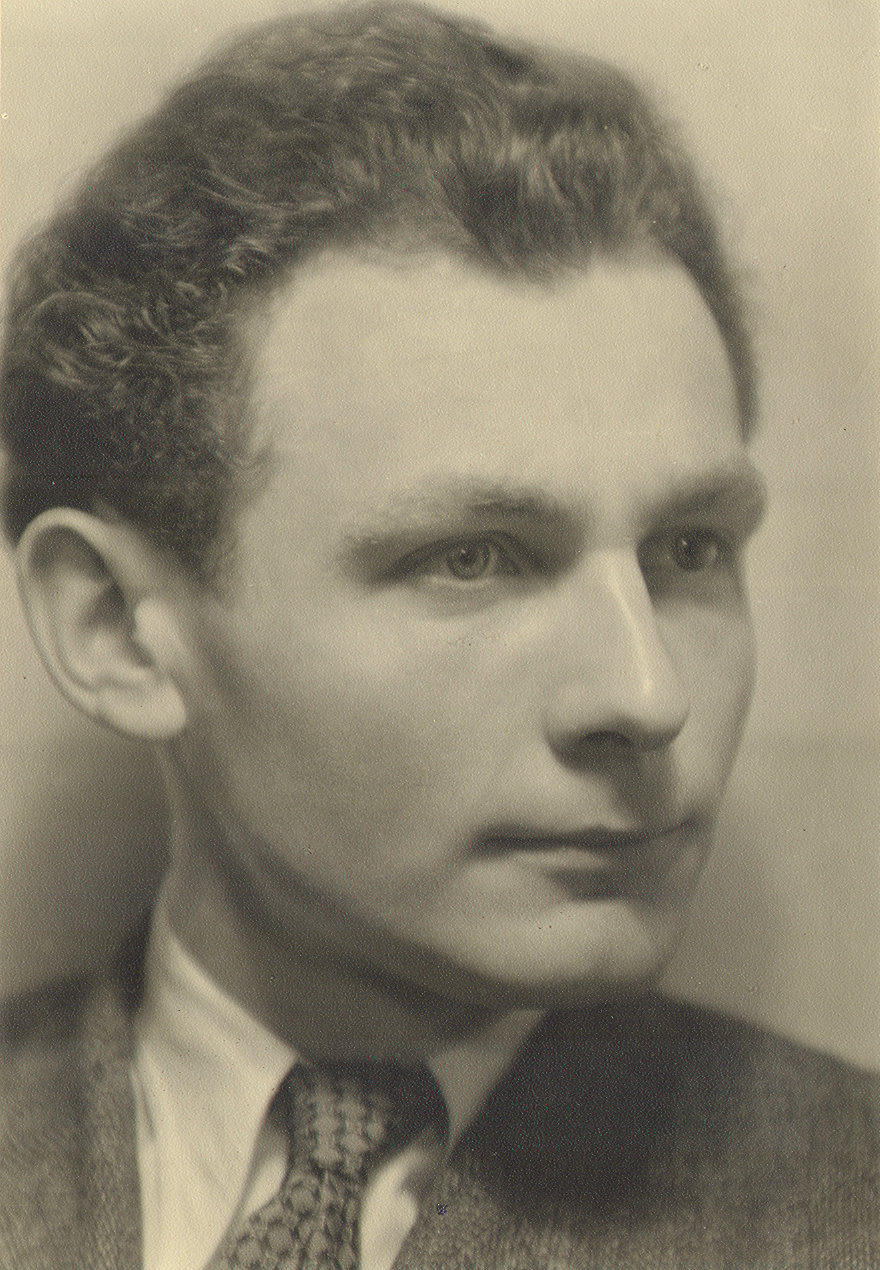
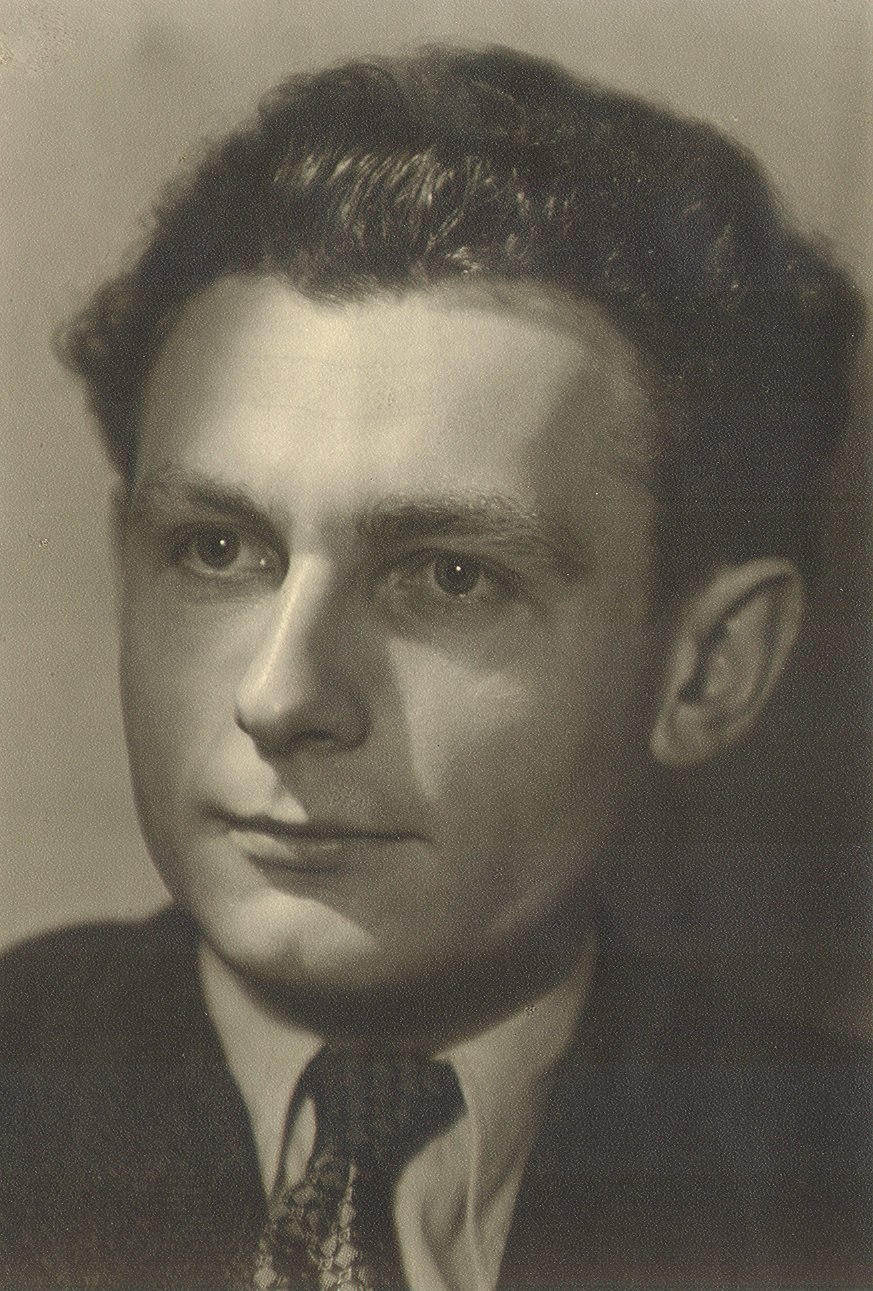
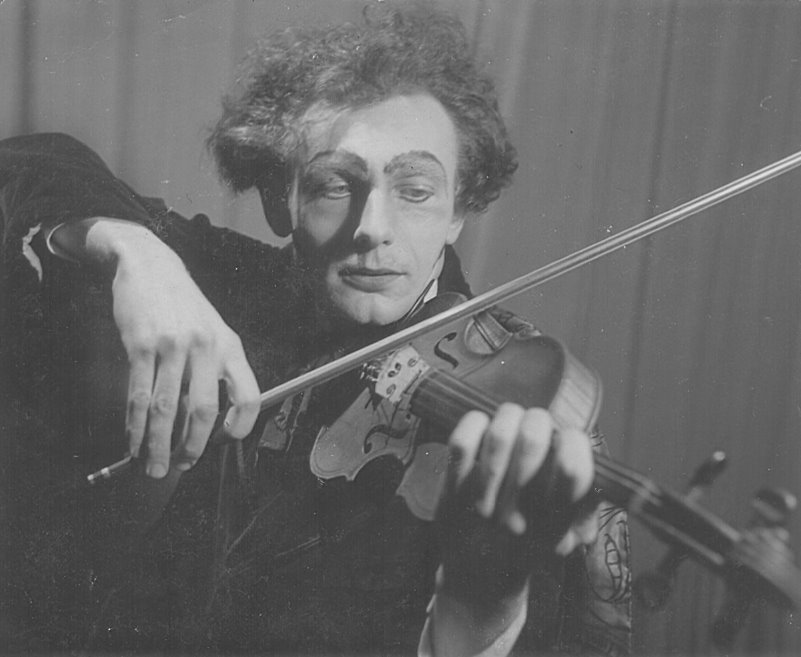
He was born on June 5, 1922 in Hrušov (Ostrava). Although his father was a miner, he always found time for home music-playing on the violin. Lubomír and his sister spent their childhood on slag heaps, in the atmosphere of blast furnaces, but also of the workers’ unrest during the First Republic. Despite the harsh environment, his father brought him a violin, and subsequently entrusted the seven-year-old Lubor to be taught by Mr. Juřina. After elementary school, he started attending a teacher training institute from 1937-41, which he successfully completed, thus being designated to become a teacher. However, in 1941, he couldn’t find a teaching job in the Ostrava region. Fortunately, his choir master from the Moravian Teachers’ Choral Association, Jan Šoupal, who had been with him since his student days, advised him to prepare for entrance exams to the Conservatory in Prague. It was a difficult and intense preparation, as he hadn’t focused much on the violin during his teacher training. He was accepted into the class of professor Josef Micka from 1941-5, who also taught chamber music.
In 1942, Prof. Micka suggested to Kostek that he should play in the quartet, but on the viola. After some hesitation and subsequent preparation for playing the viola, Lubor accepted this offer. He thus became part of the future Smetana Quartet alongside Václav Neumann, Jaroslav Rybenský, and Antonín Kohout. After two years, he switched to second violin, where he remained for almost half a century. In this lineup, they performed for the first time at the City Library on September 28, 1943 under the name Chamber Association of the Music Conservatory. Later, they performed under the name Quartet of the Czech Conservatory. He later graduated from the AMU in Professor Daniel’s class. He graduated in 1952 with Tchaikovsky’s Violin Concerto in D major.
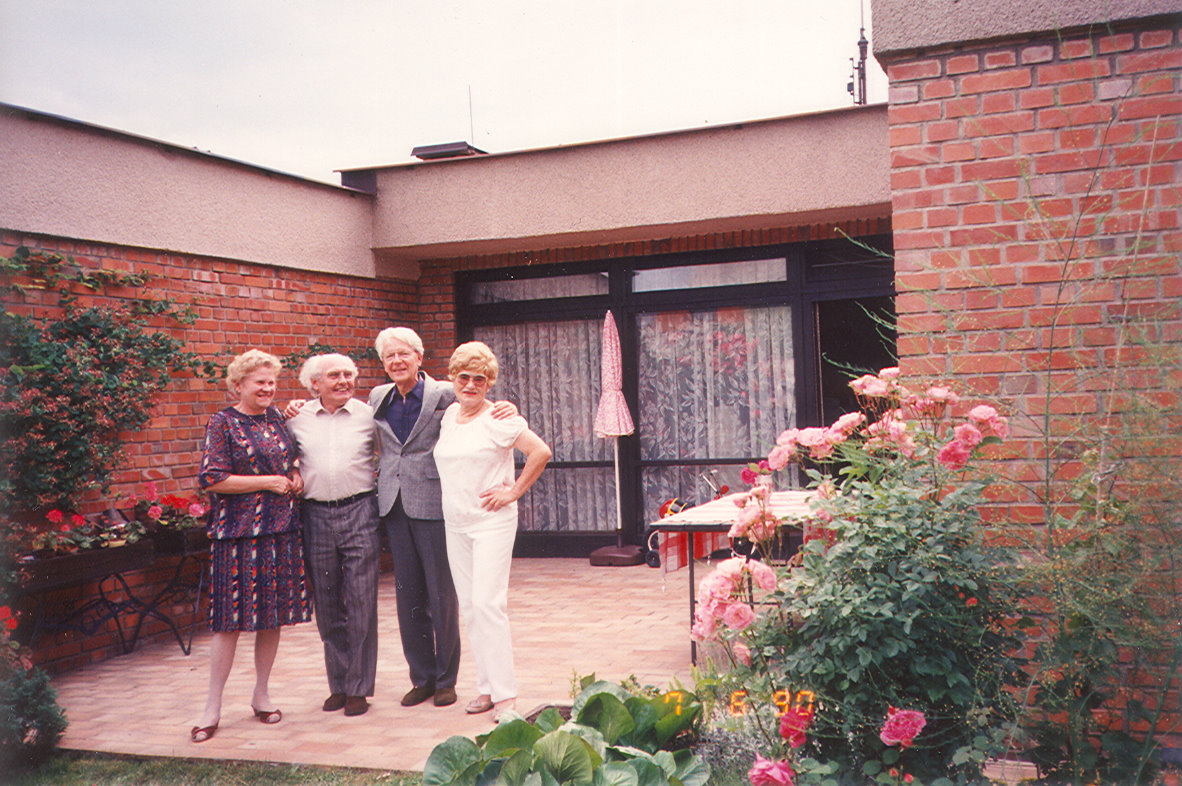
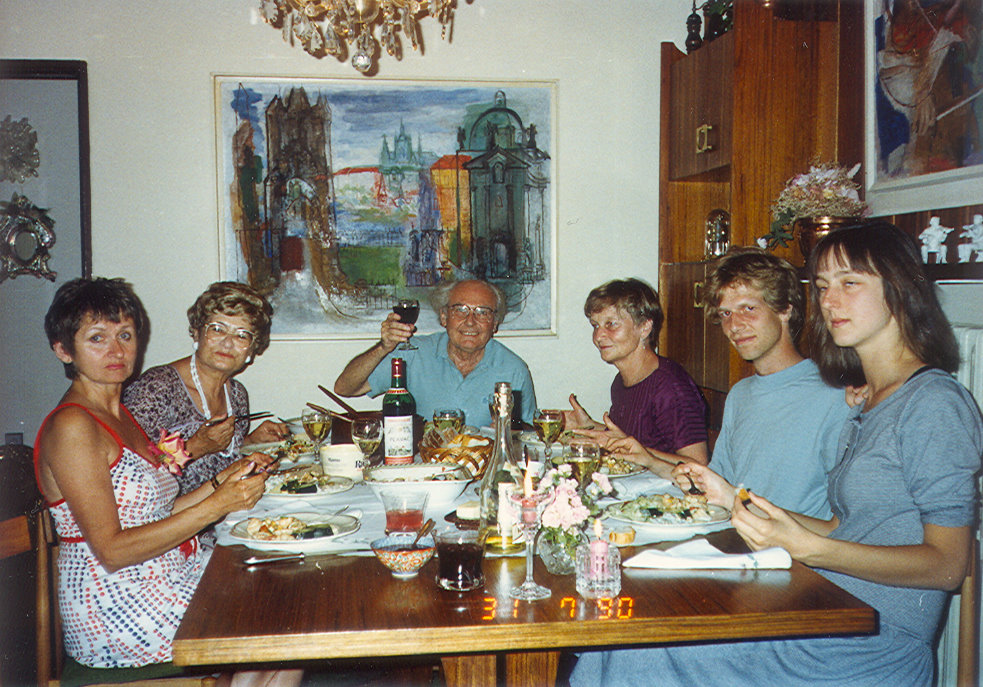
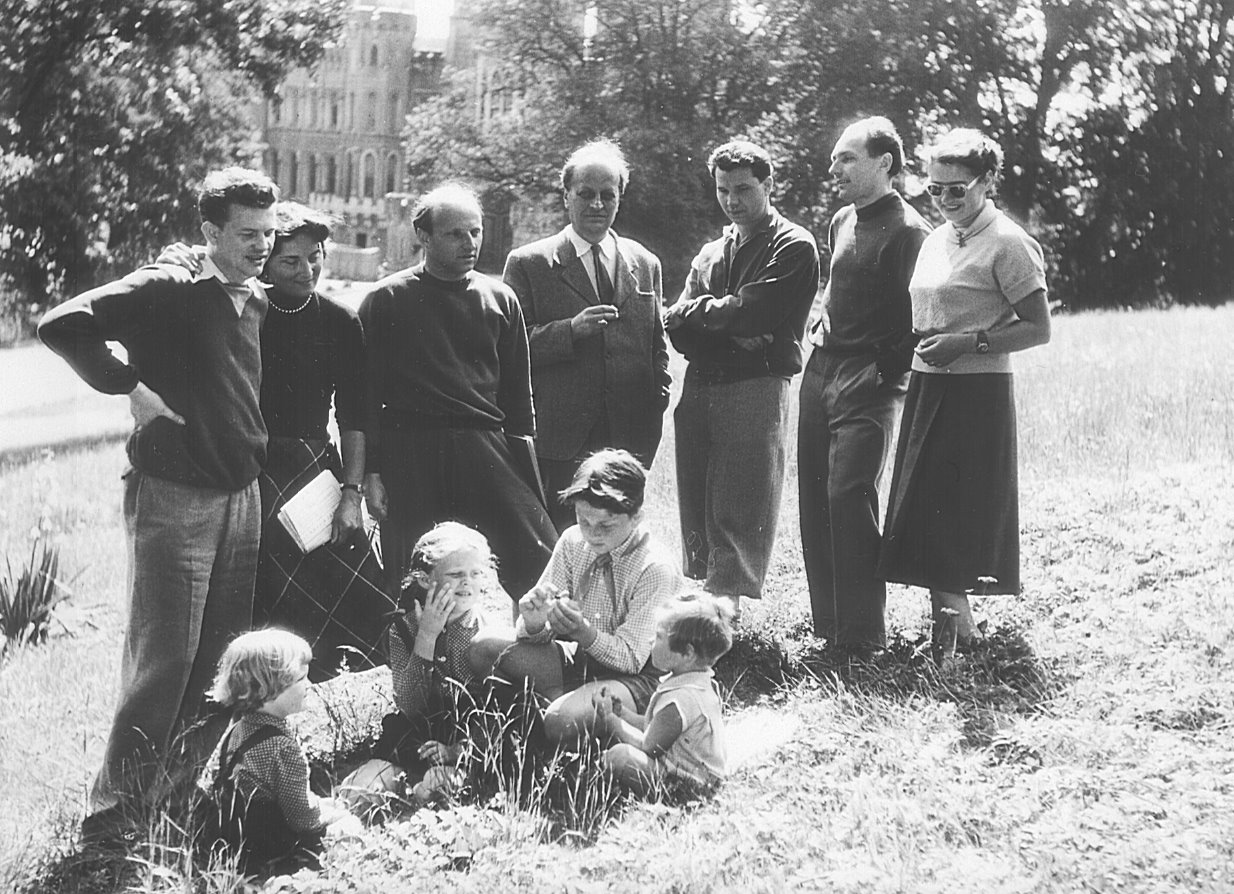
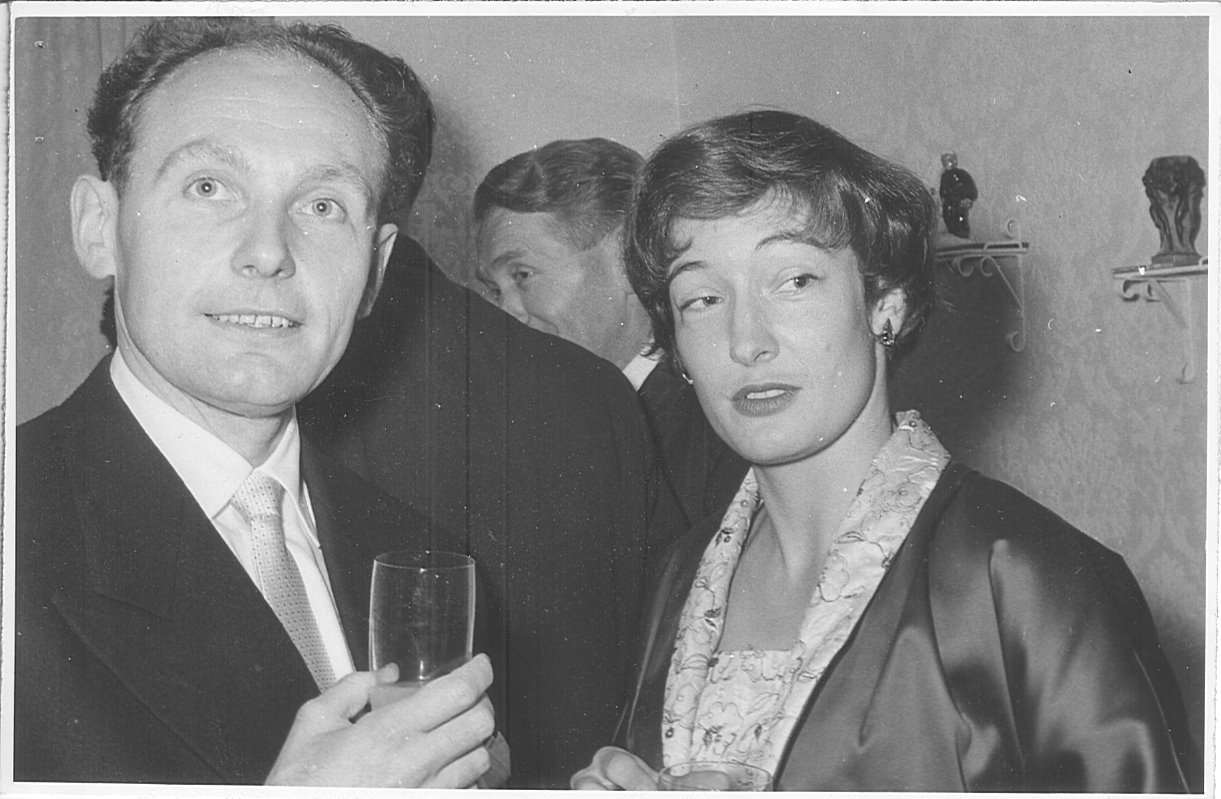
With his wife Naďěžda, with whom he later had a daughter Olga and son Vladimír, he got married on September 18, 1951. Naďa was pleased when their home was full of quartet friends. She could boast about her culinary skills and hospitality in front of this artistic society, creating an amazing and unique atmosphere.
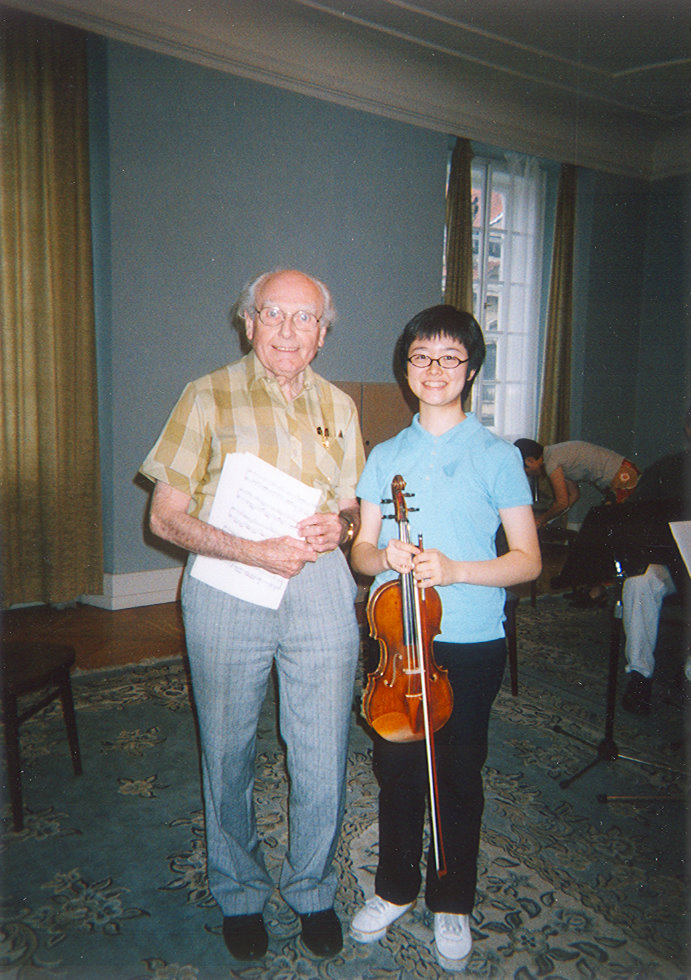
In 1967, like the other members of the Smetana Quartet, he became a teacher at the Academy of Performing Arts in Prague, where he taught chamber music. His students appreciated his meticulous approach to the given composition, which he analyzed note by note and then built back into a natural phrase. It was then up to the students to further evaluate his guidance on understanding the composer’s intention.
Lubomír Kostecký’s contribution in such a collective also lay in his uncontroversial nature, absolute reliability, and readiness for rehearsals. He once characterized his role as a second violinist in the quartet with the words of his teacher K. P. Sádl: “Being remarkable in his unobtrusiveness.”
It is not easy to suddenly switch from a rhythmic accompaniment to a solo, usually in the middle position and after the previous interpretation of J. Novák. His advantage was also an excellent memory, which helped him remember the second part that was not exactly simple.
In the 1970s, he was loaned an instrument from the state collection, as were the other members of the Smetana Quartet, a 1694 Francesco Ruggeri instrument from Cremona.
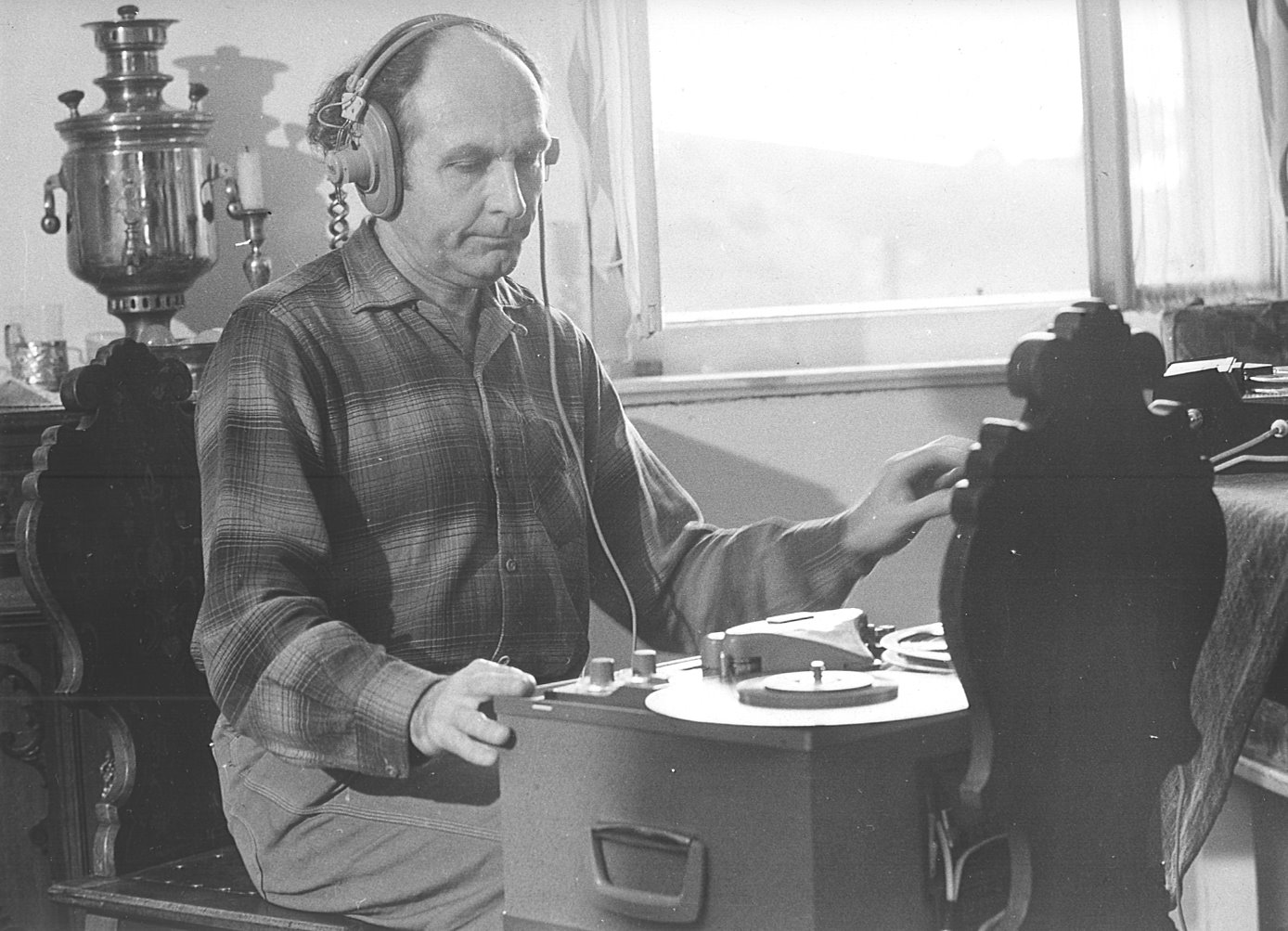
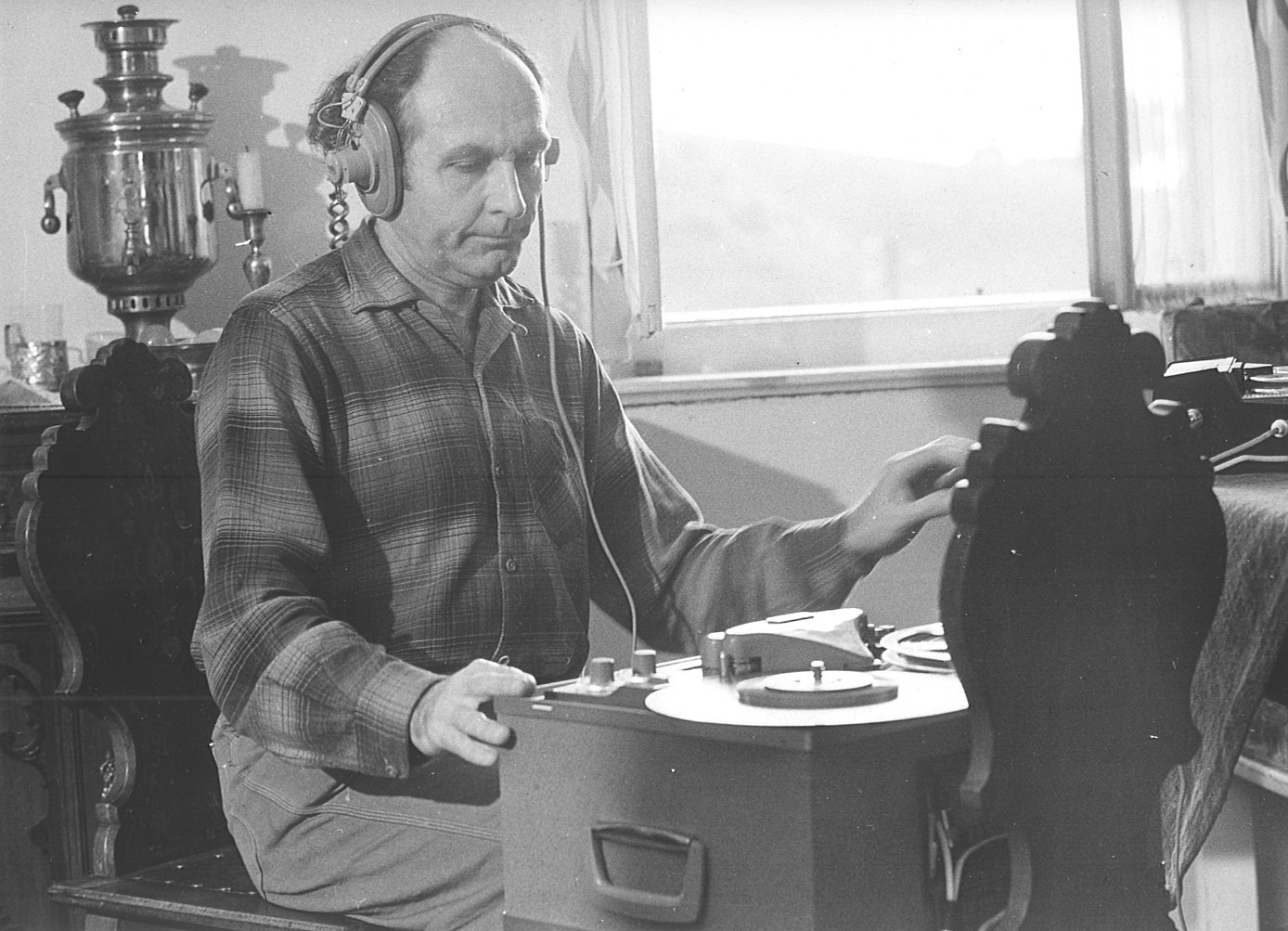
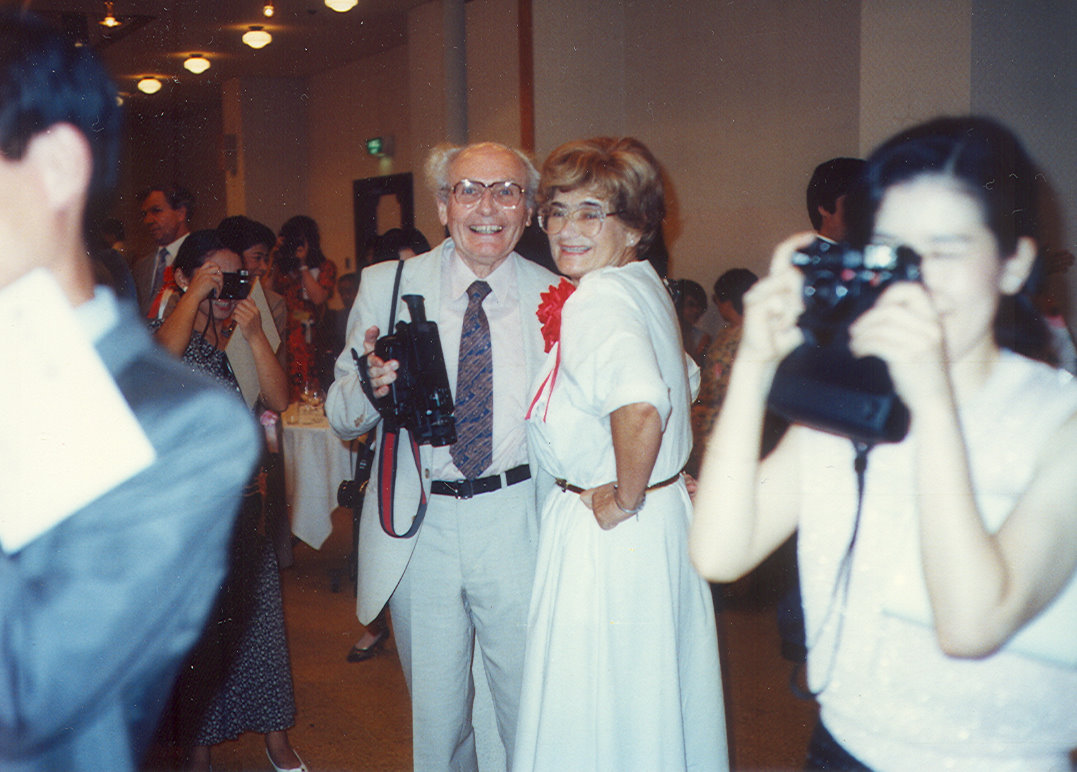
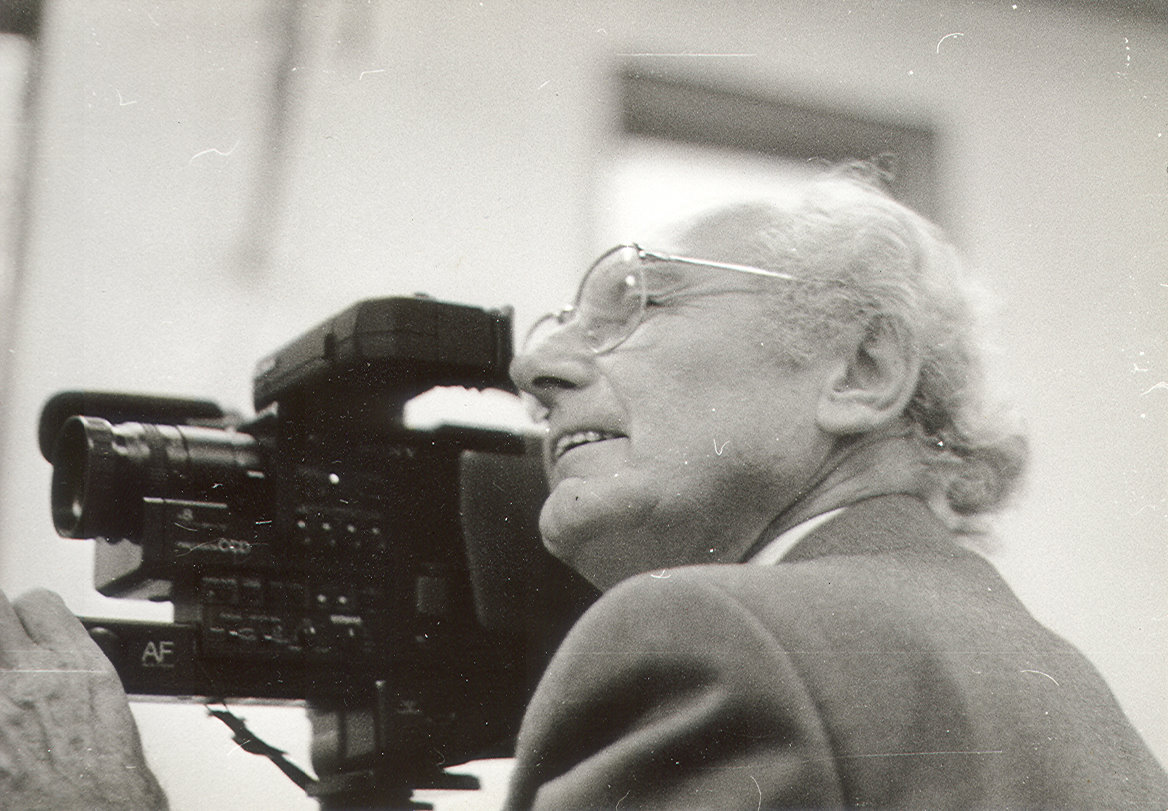
He had a great passion for audio and video technology, which he used primarily to capture the work of the quartet. He followed all the news mainly in Japan and invested a considerable amount of money in purchases. His knowledge in this field was almost on a professional level.
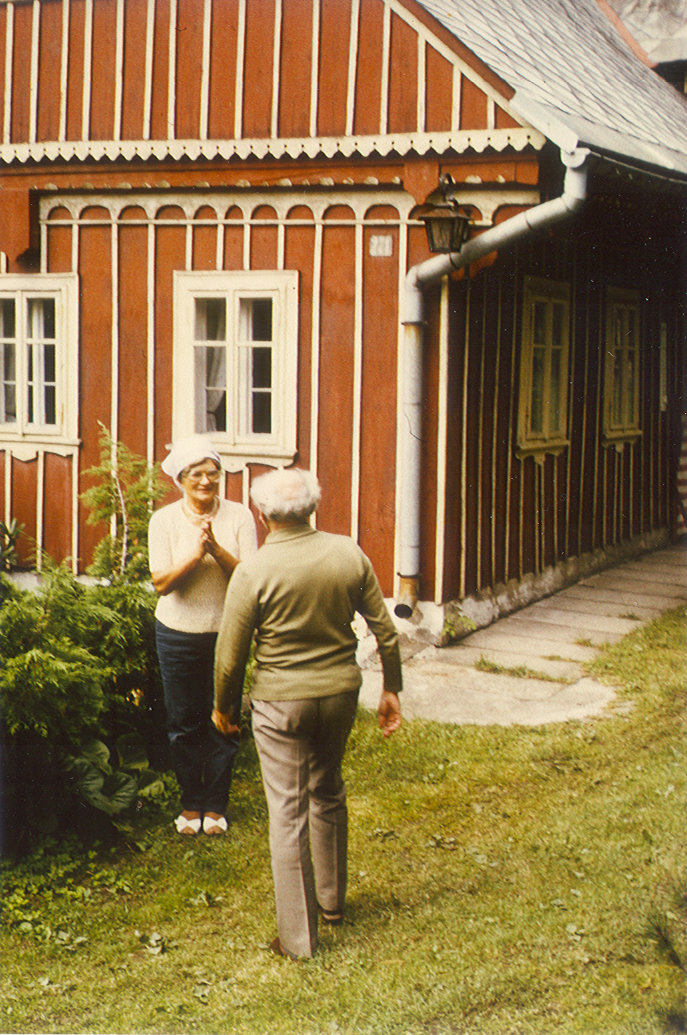
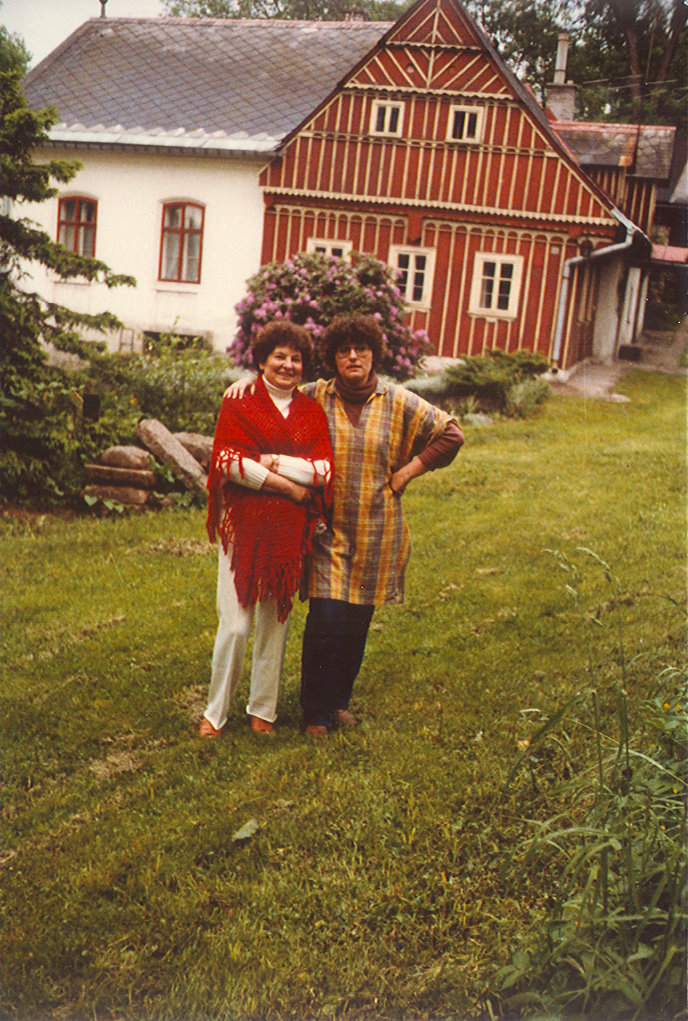
Thanks to his technical skills, the Smetana family could safely travel by car around Europe. Lubomír very often and happily drove the car, he could easily handle any potential car trouble. There are witnesses about stories (around 1972) when in Lučany at the cottage during the holidays, he and his son Vladimír disassembled a Citroën DS car down to the last bolt and then put it back together with great interest.
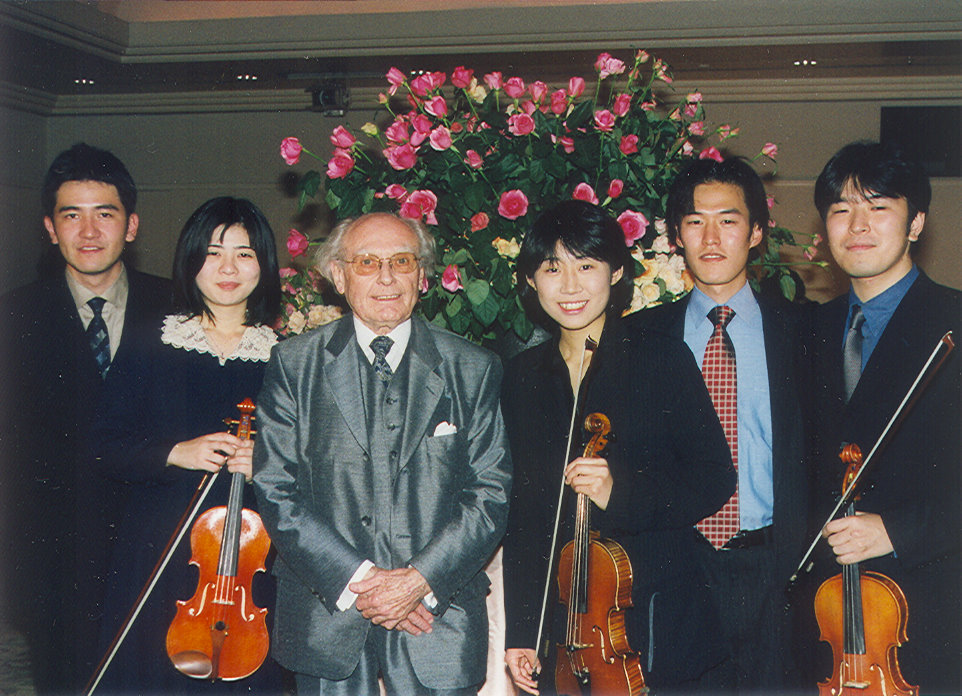
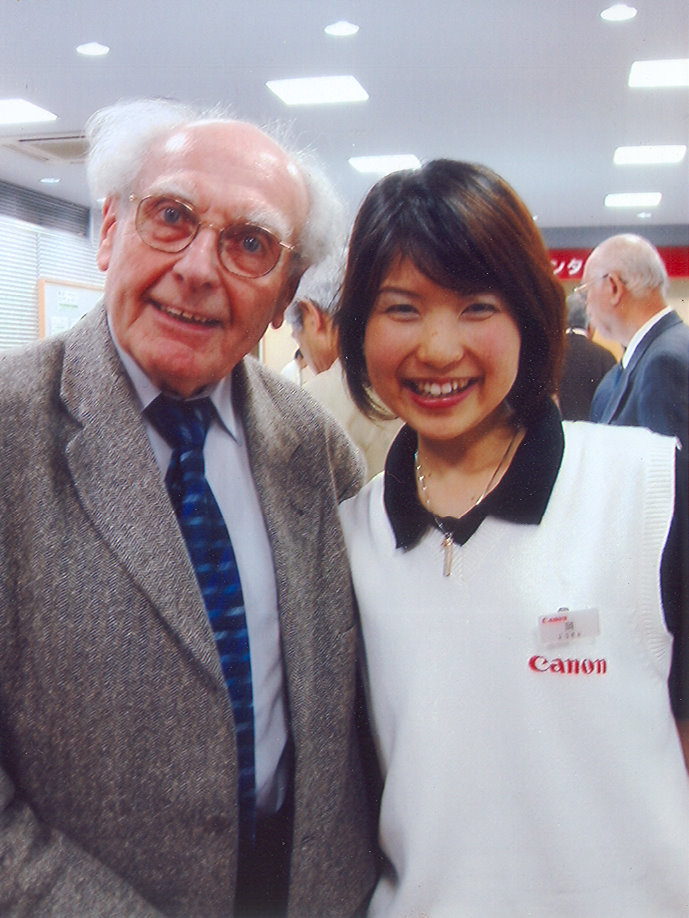
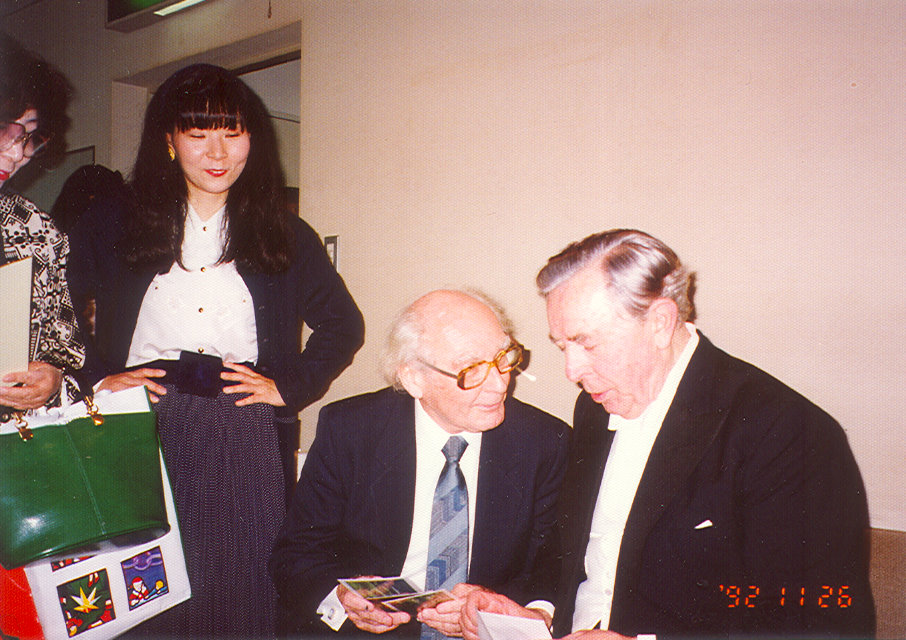
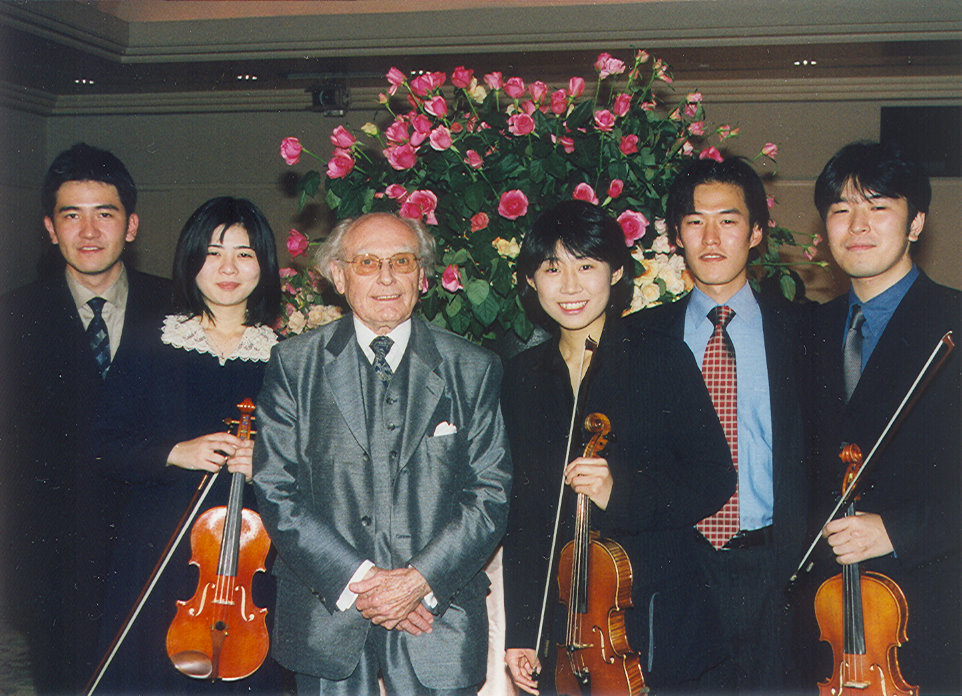
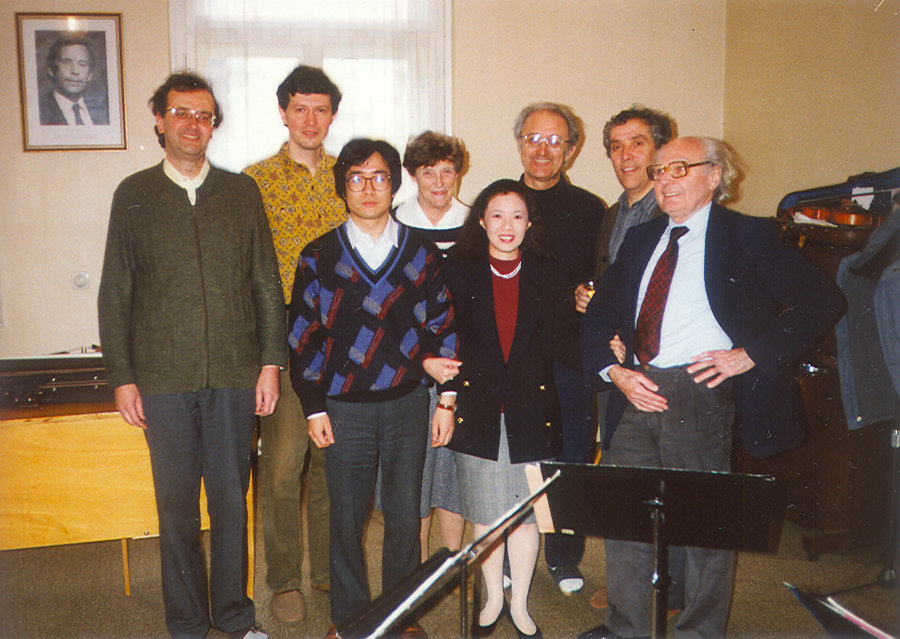
In 1991, Lubomír Kostecký founded, together with Professor Rudolf Bachinger, Haruhito Kobayashi, and the International Music Society in Munich, the music festival Young Prague, which still operates and helps budding musicians at the beginning of their concert career. In 1992, he became the president of this festival. After the end of the Smetana Quartet, he dedicated himself intensively to pedagogical activities, mainly in Japan.
For exceptional merits in this field, he became the first foreigner to receive the Japanese Order of the Sacred Treasure.
He died in Prague on November 14, 2003, and is buried in Horní Maxov near Lučany nad Nisou.
Gallery