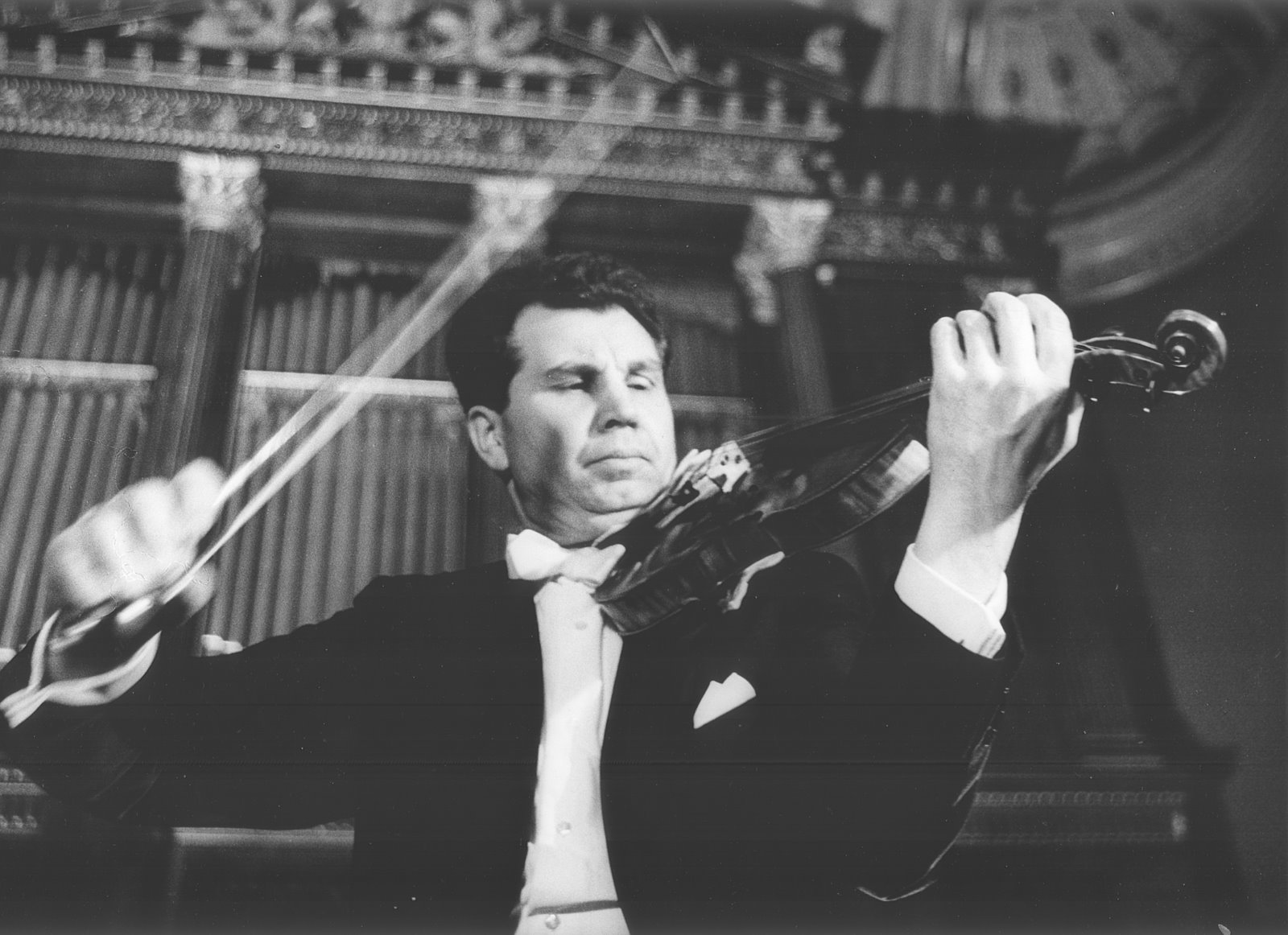
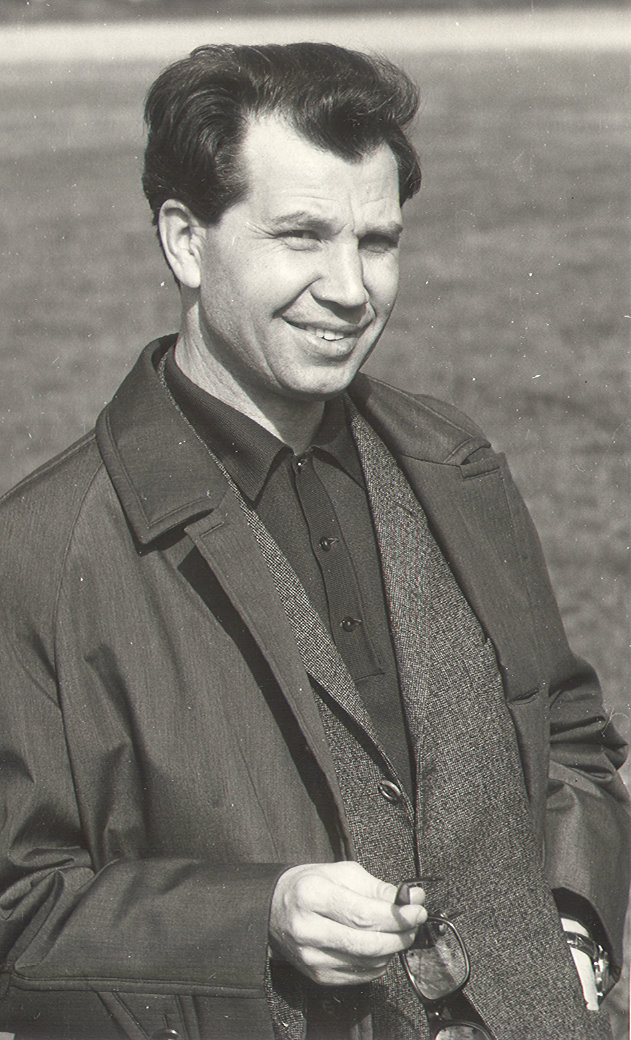
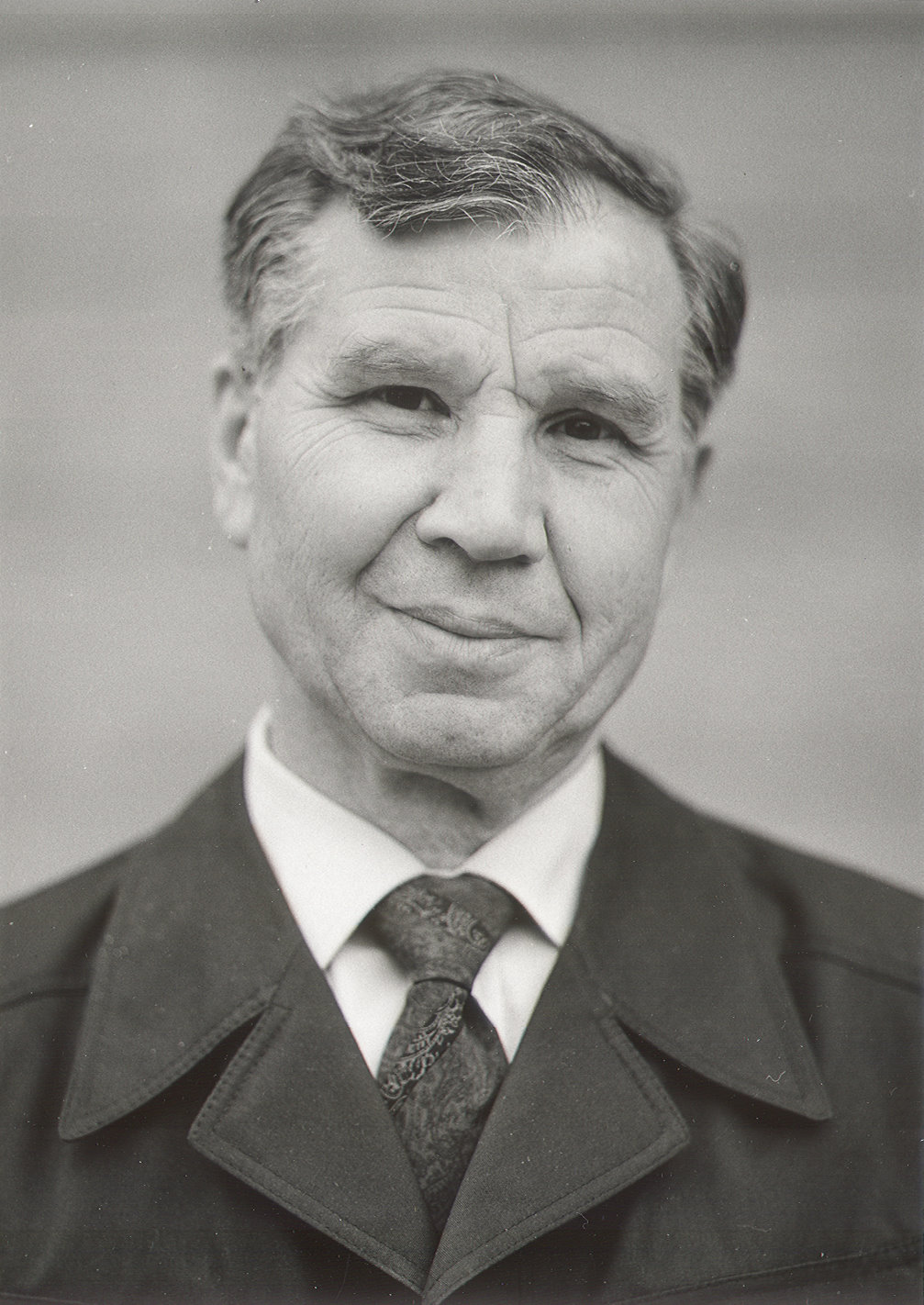
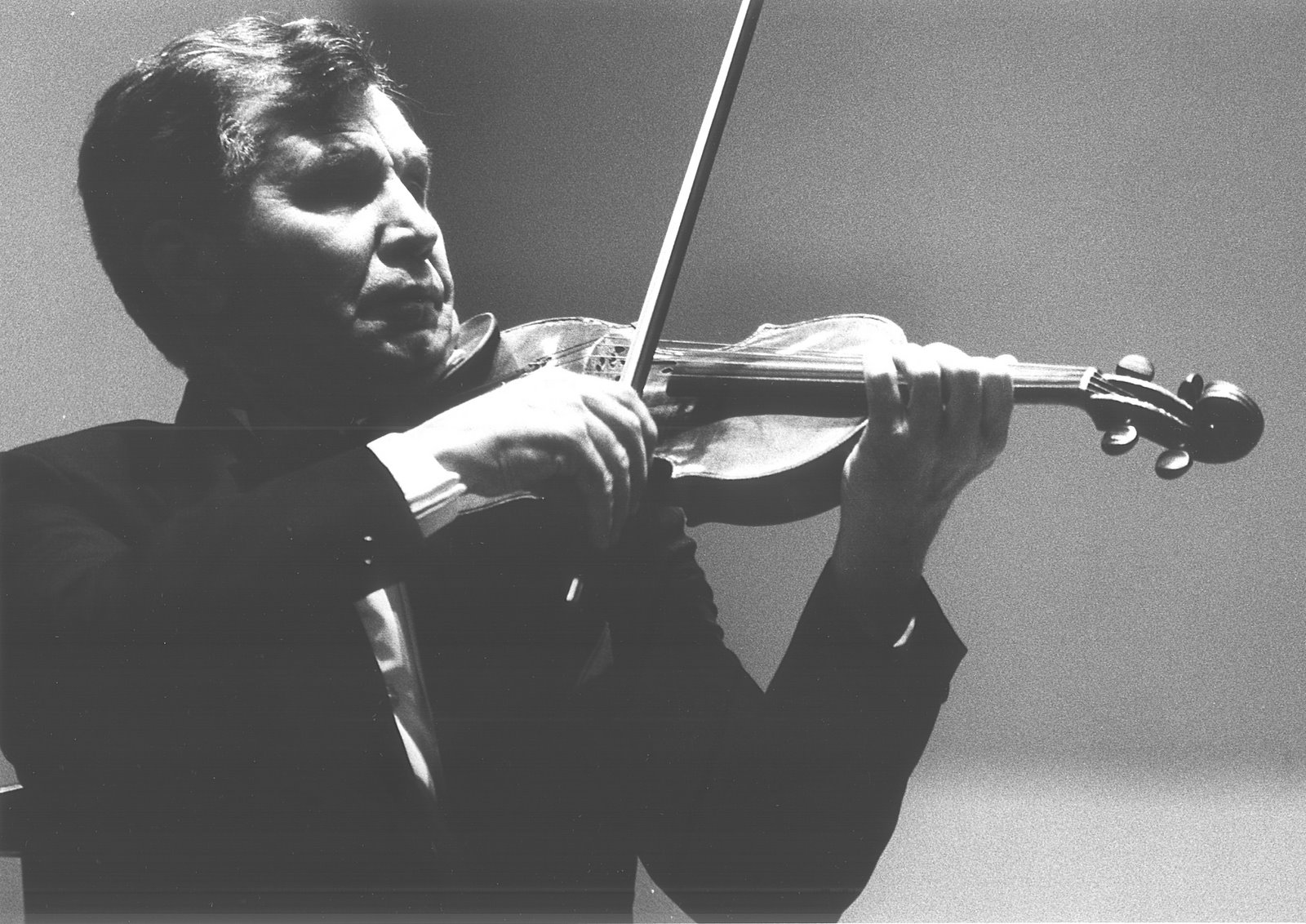
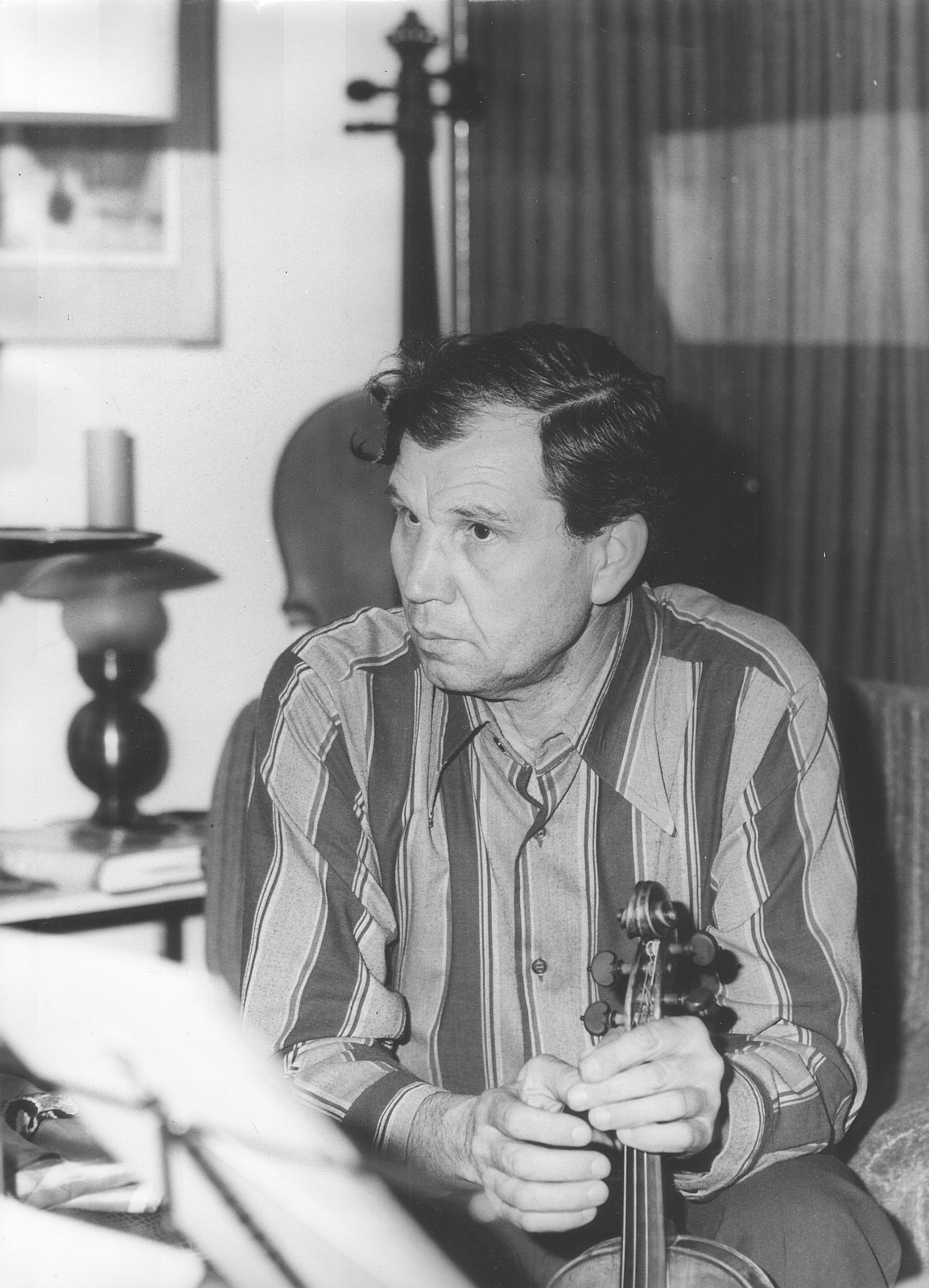
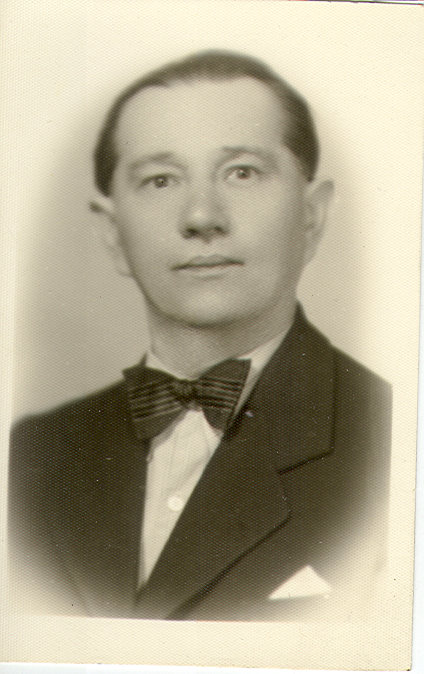
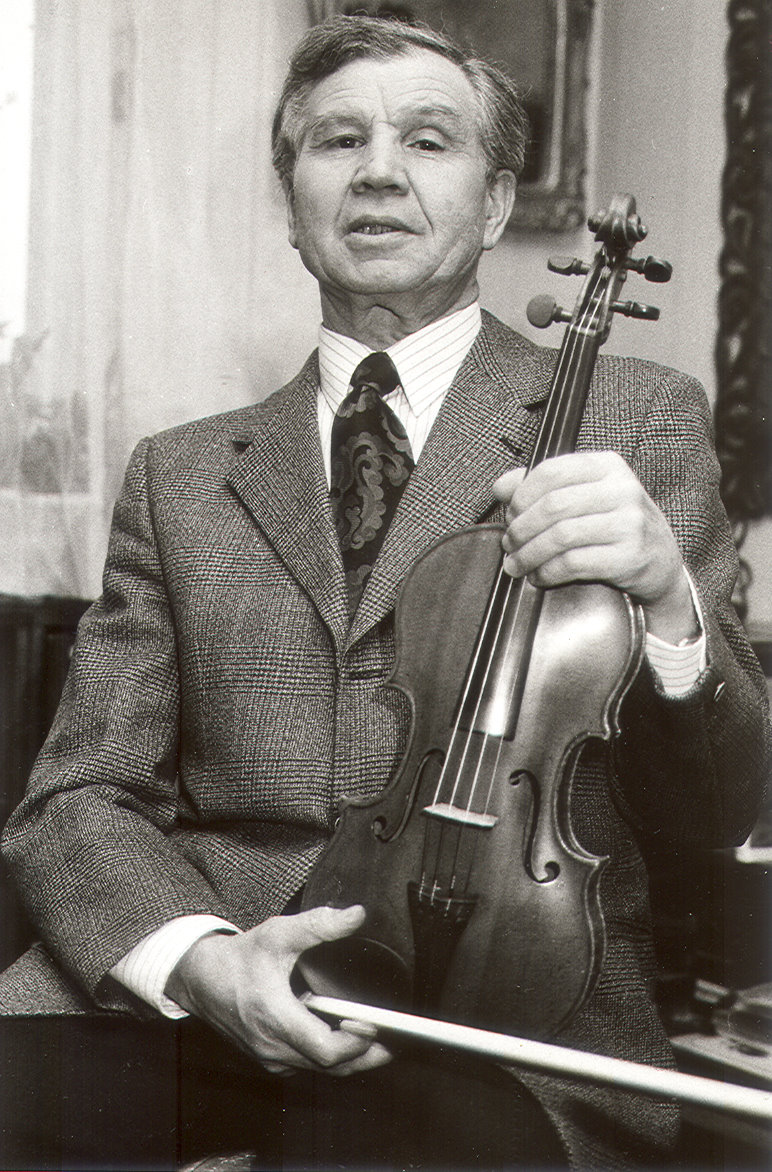
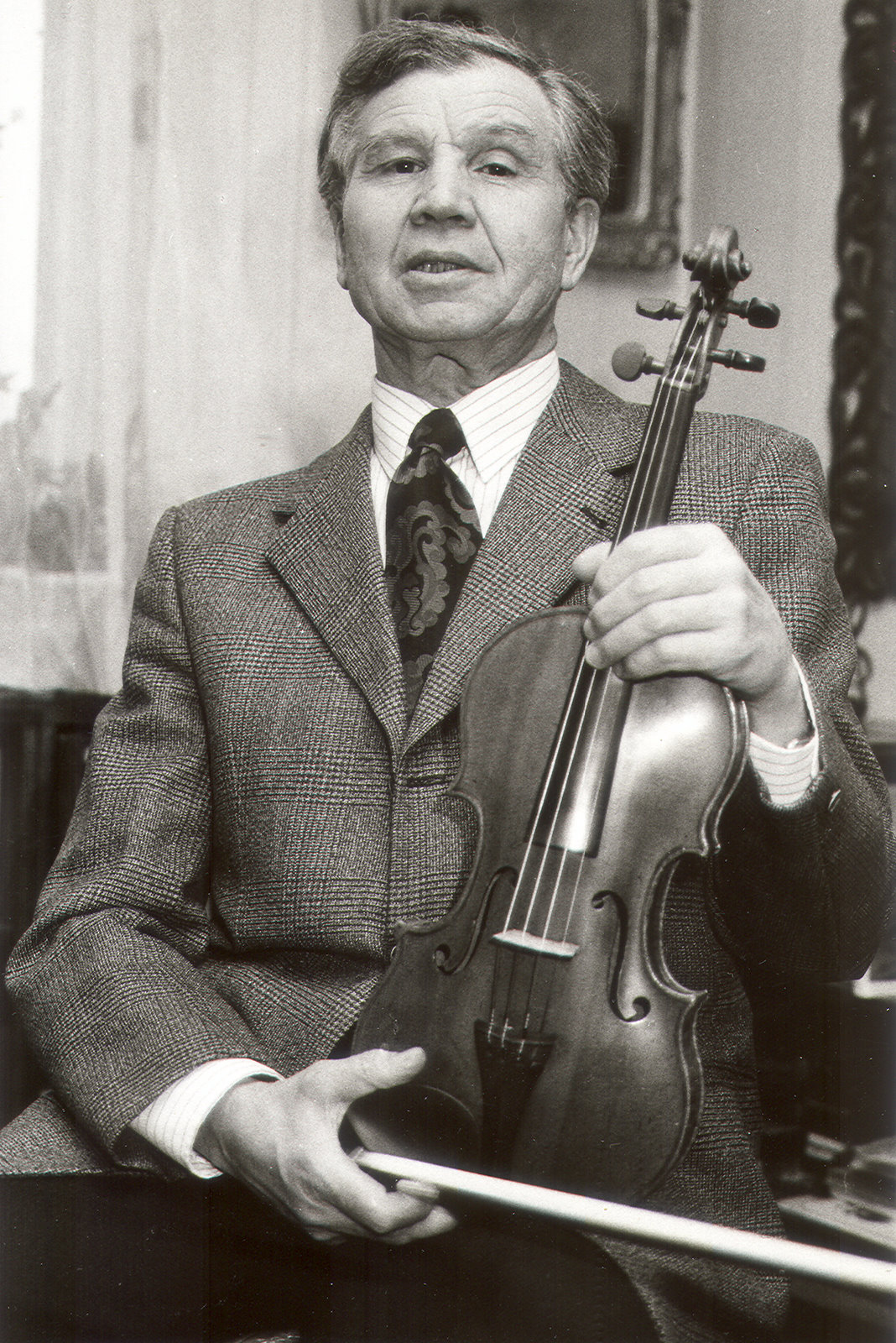
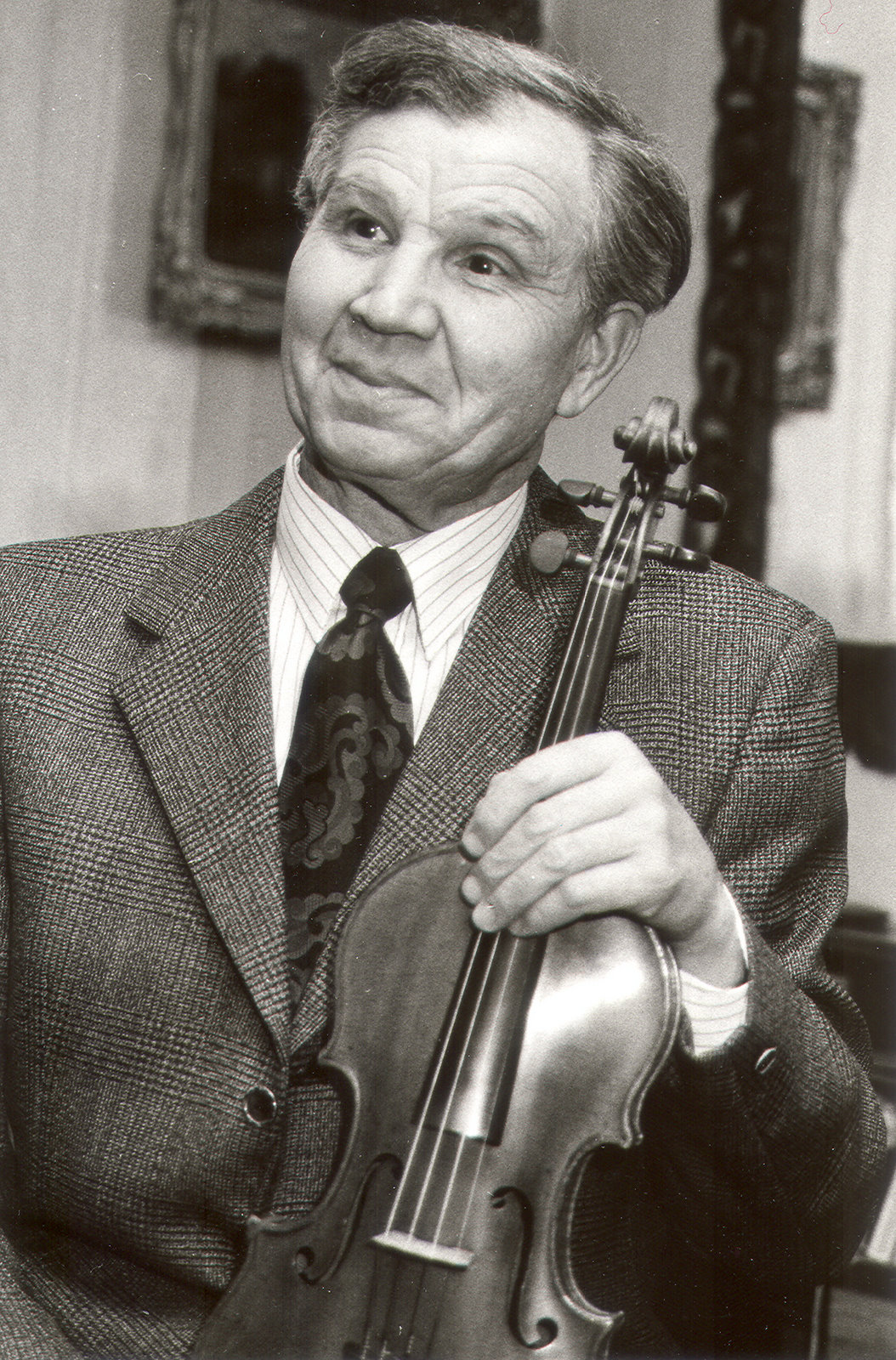
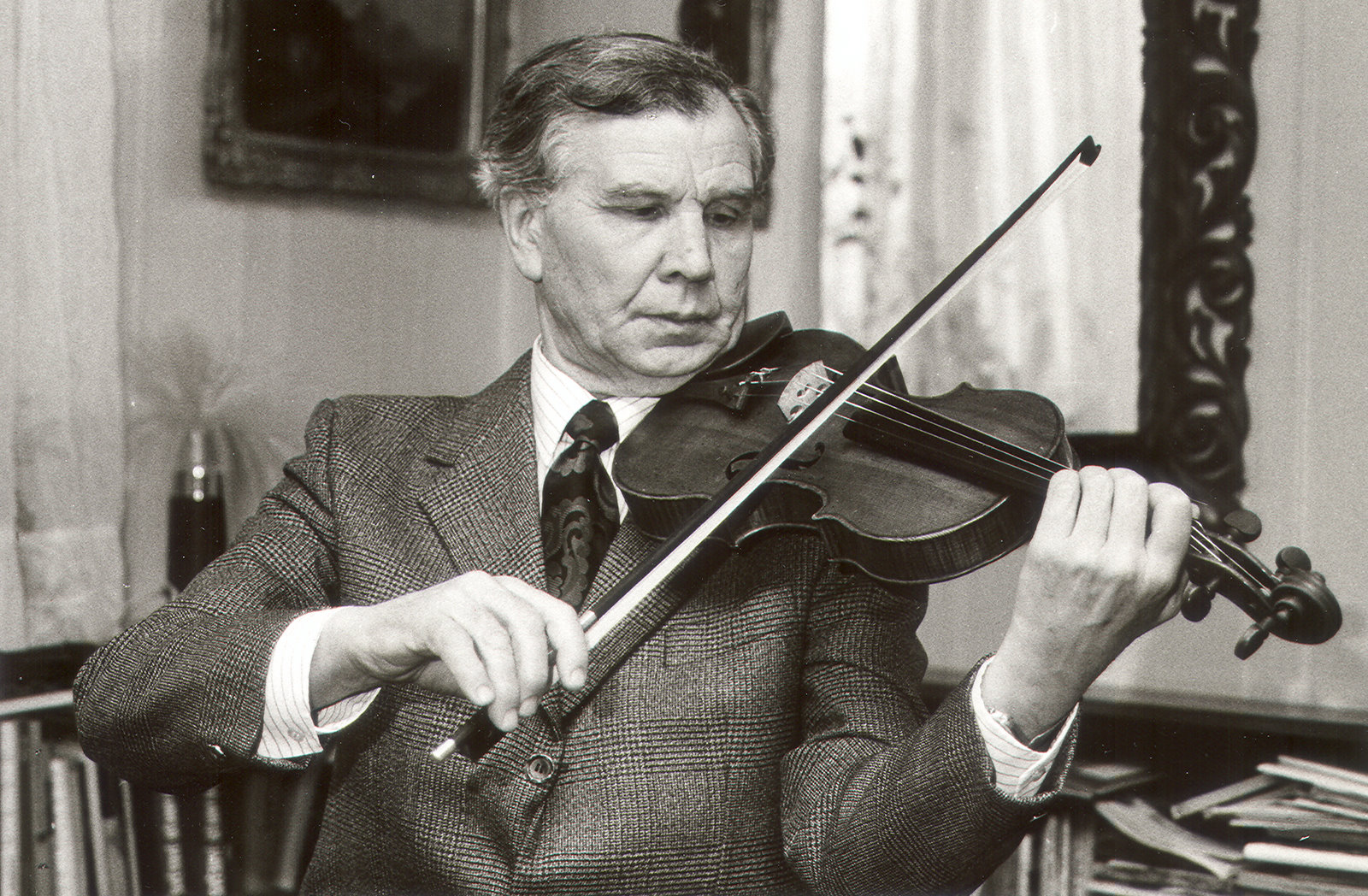
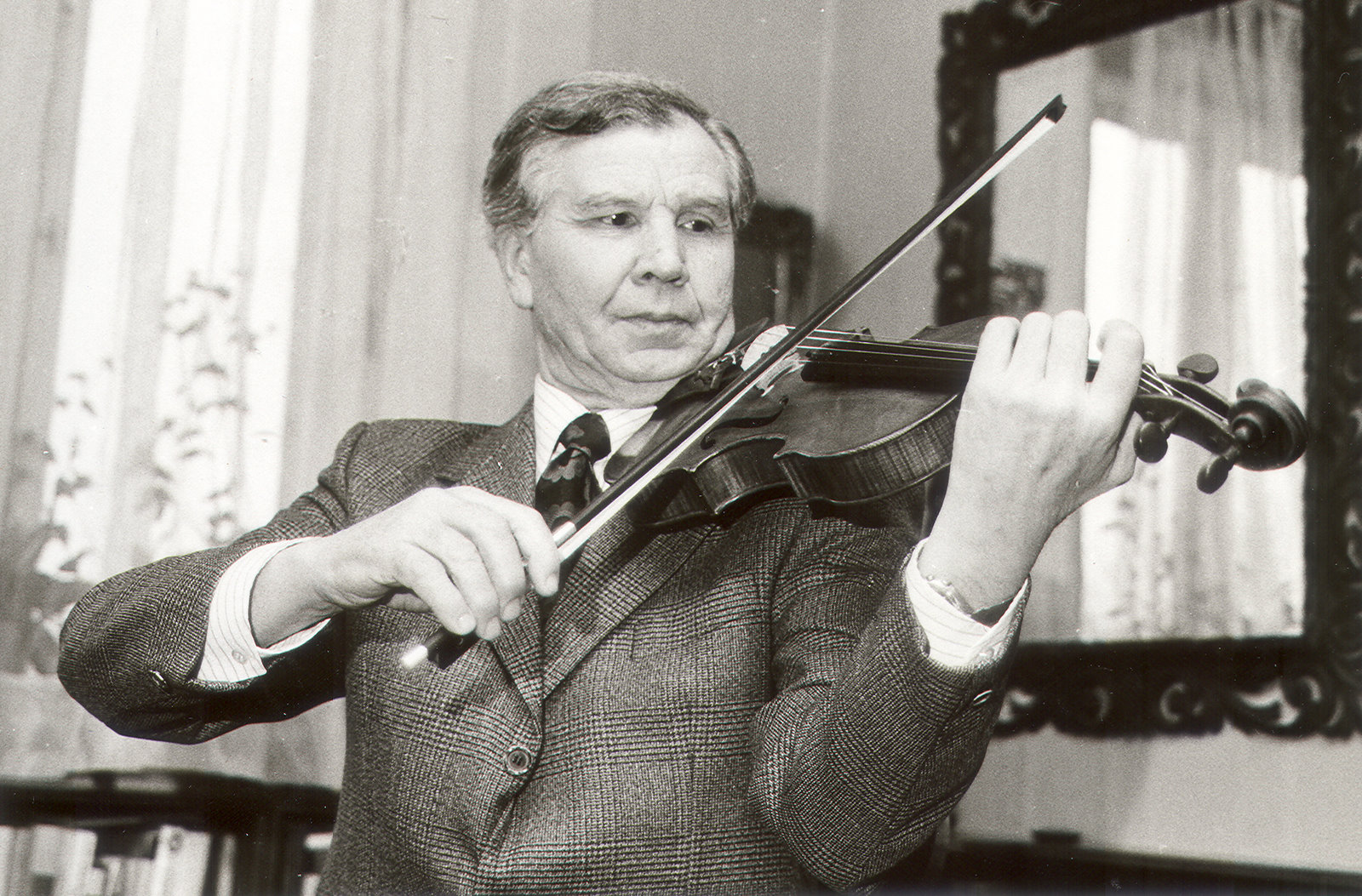
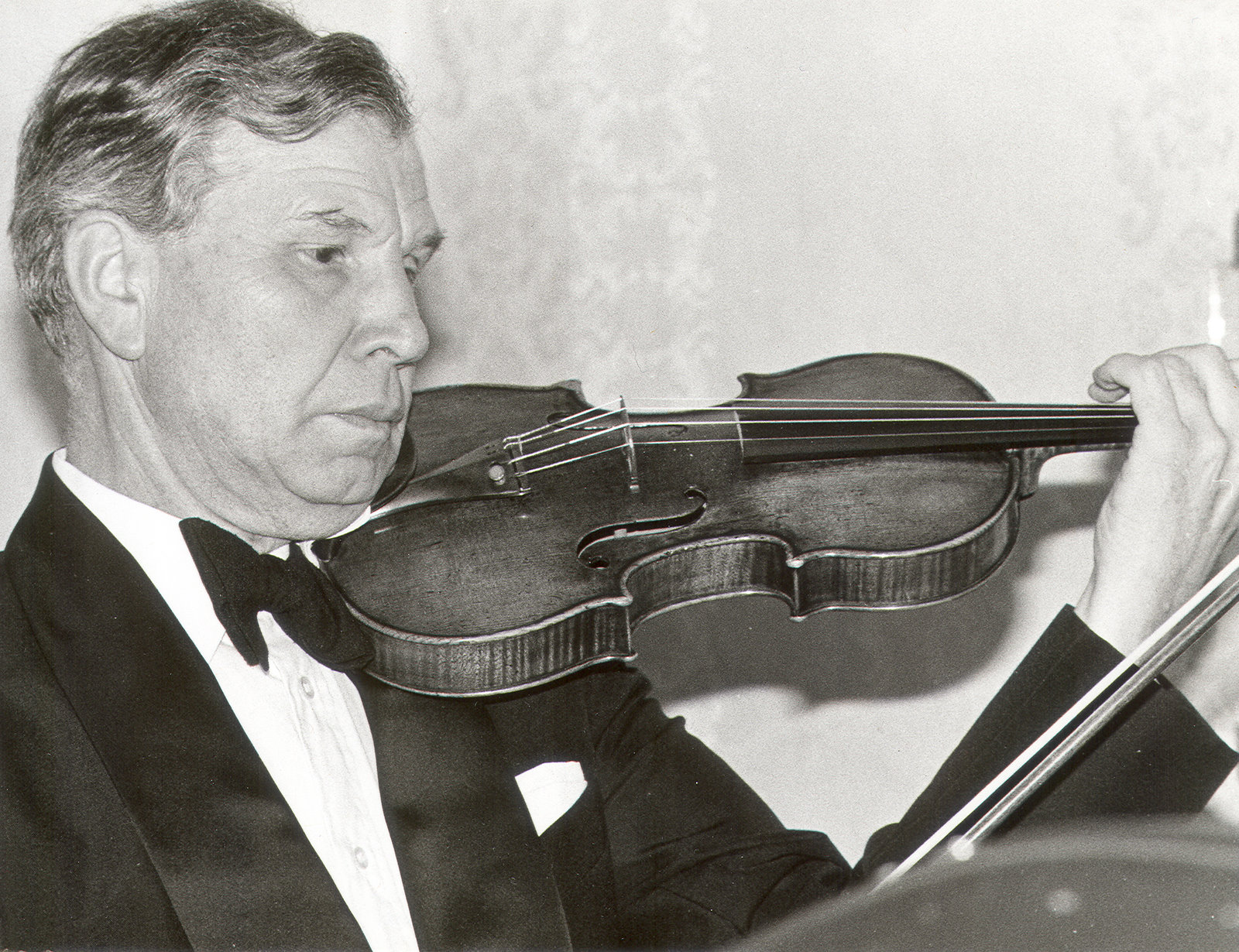
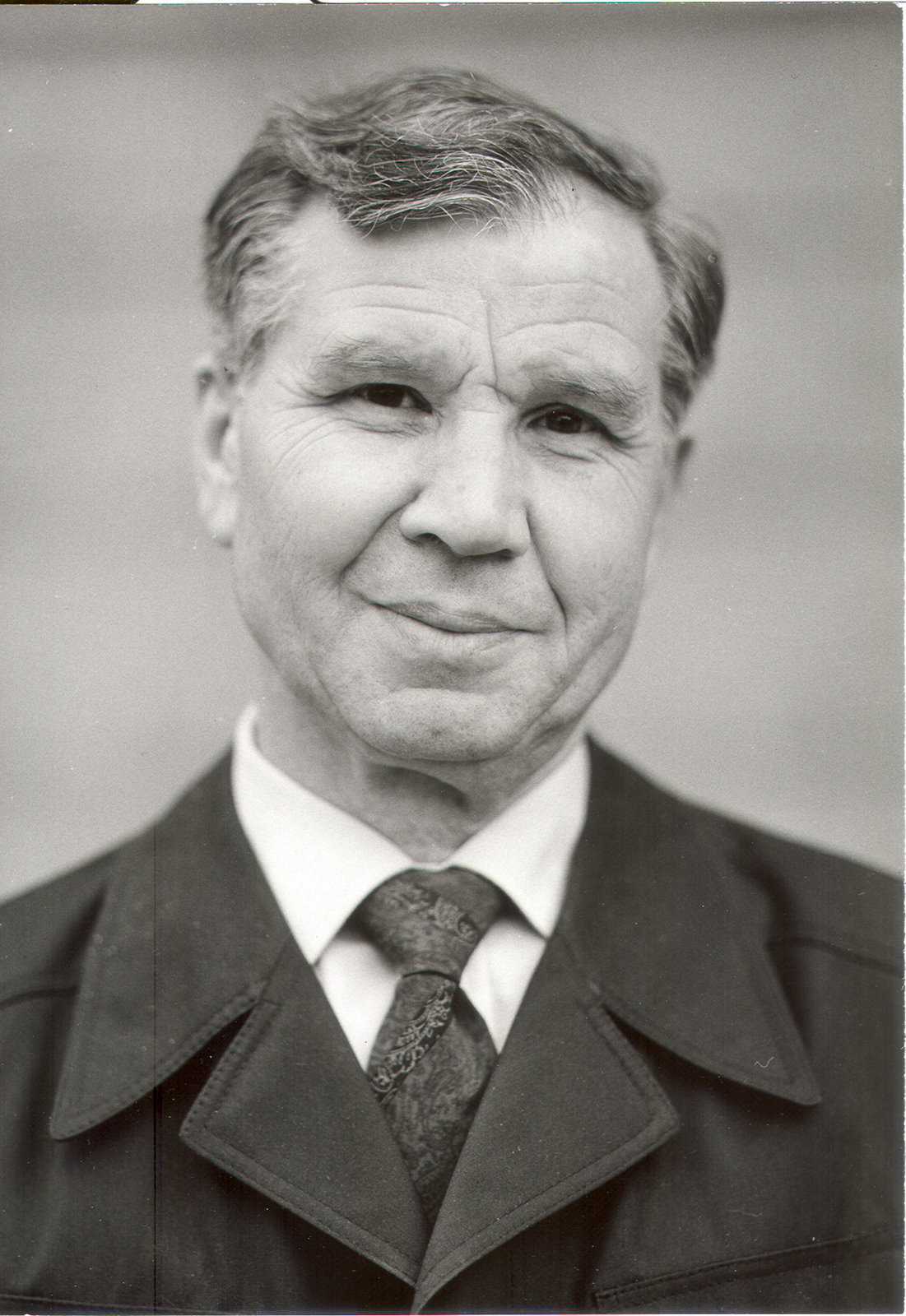
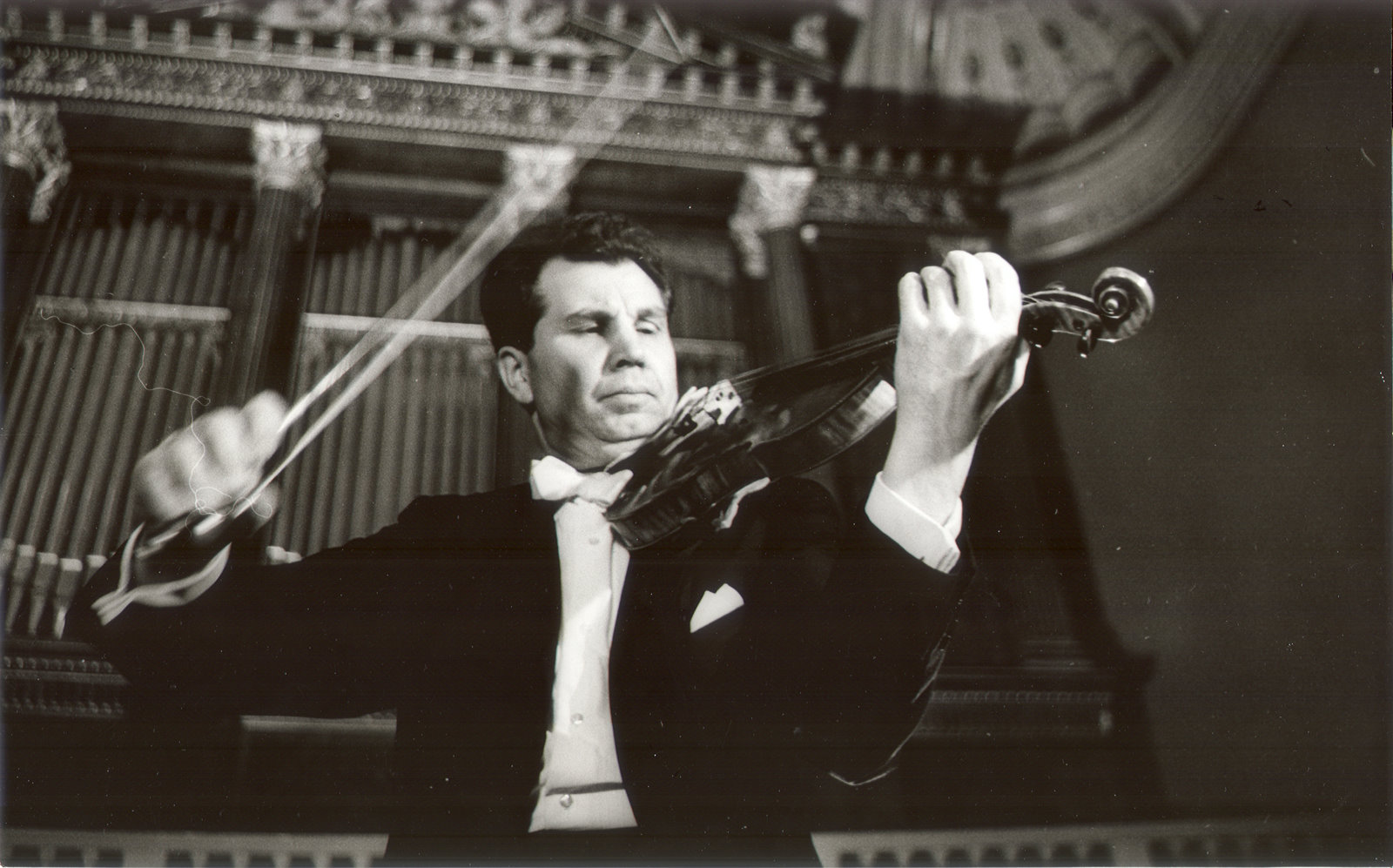
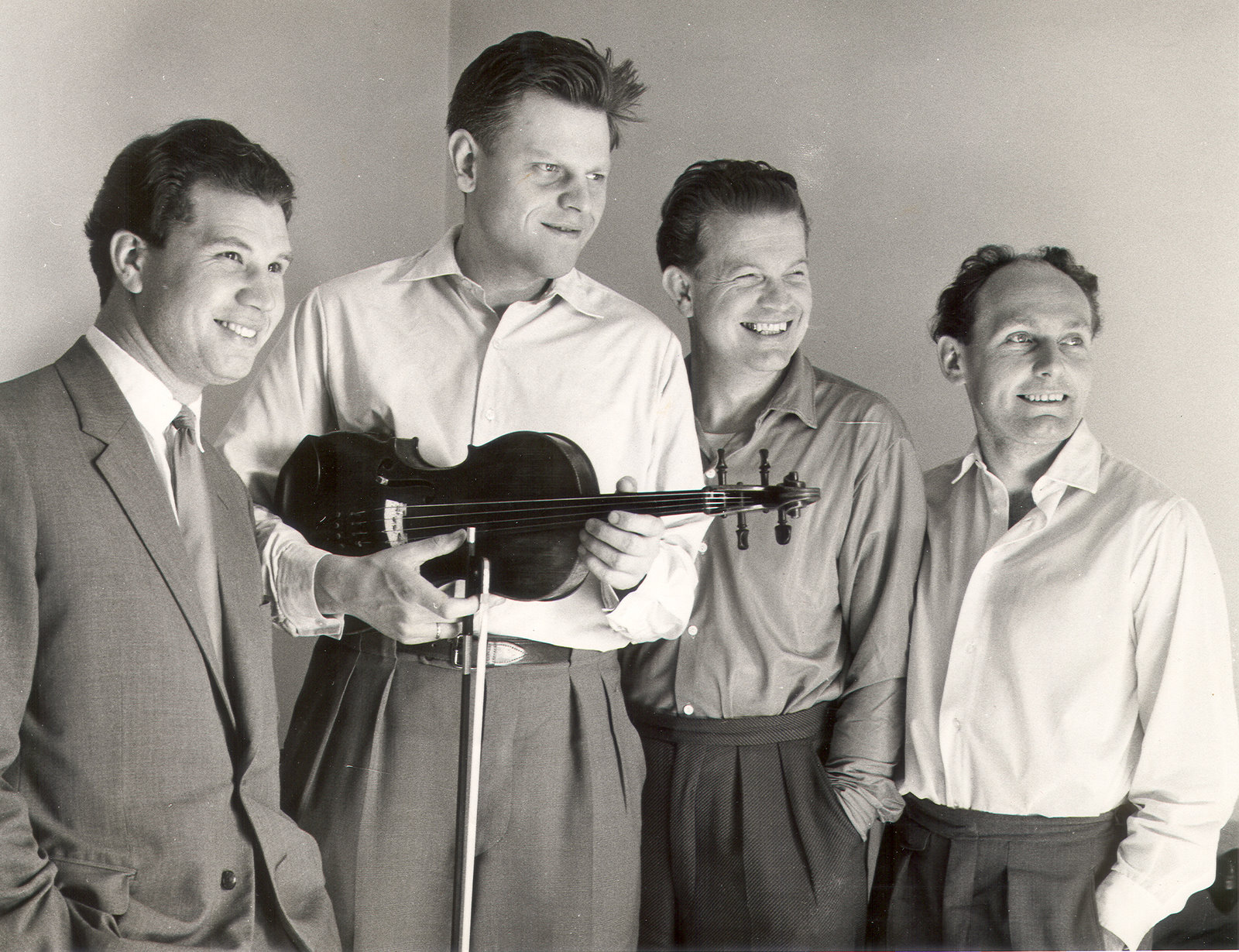
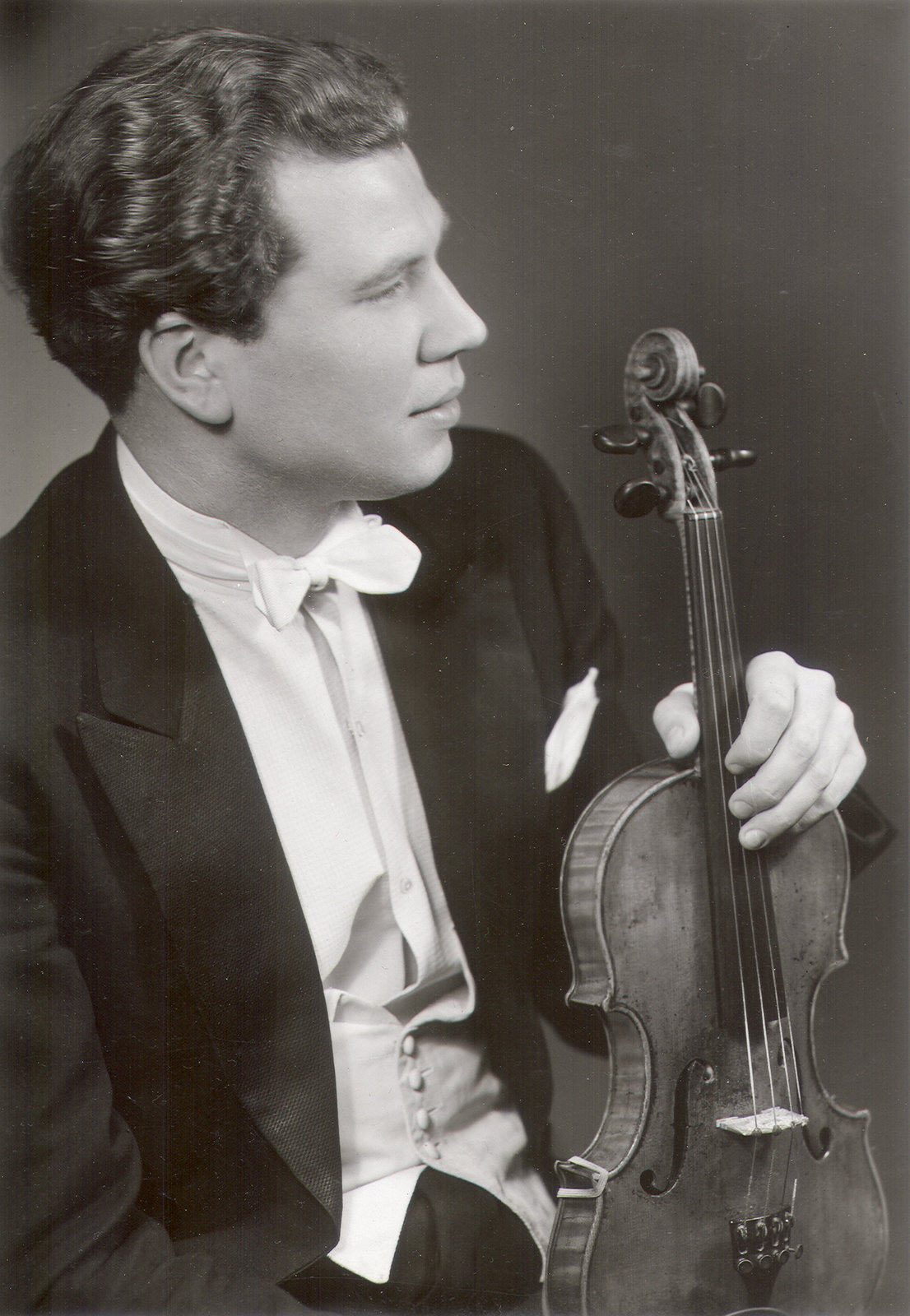
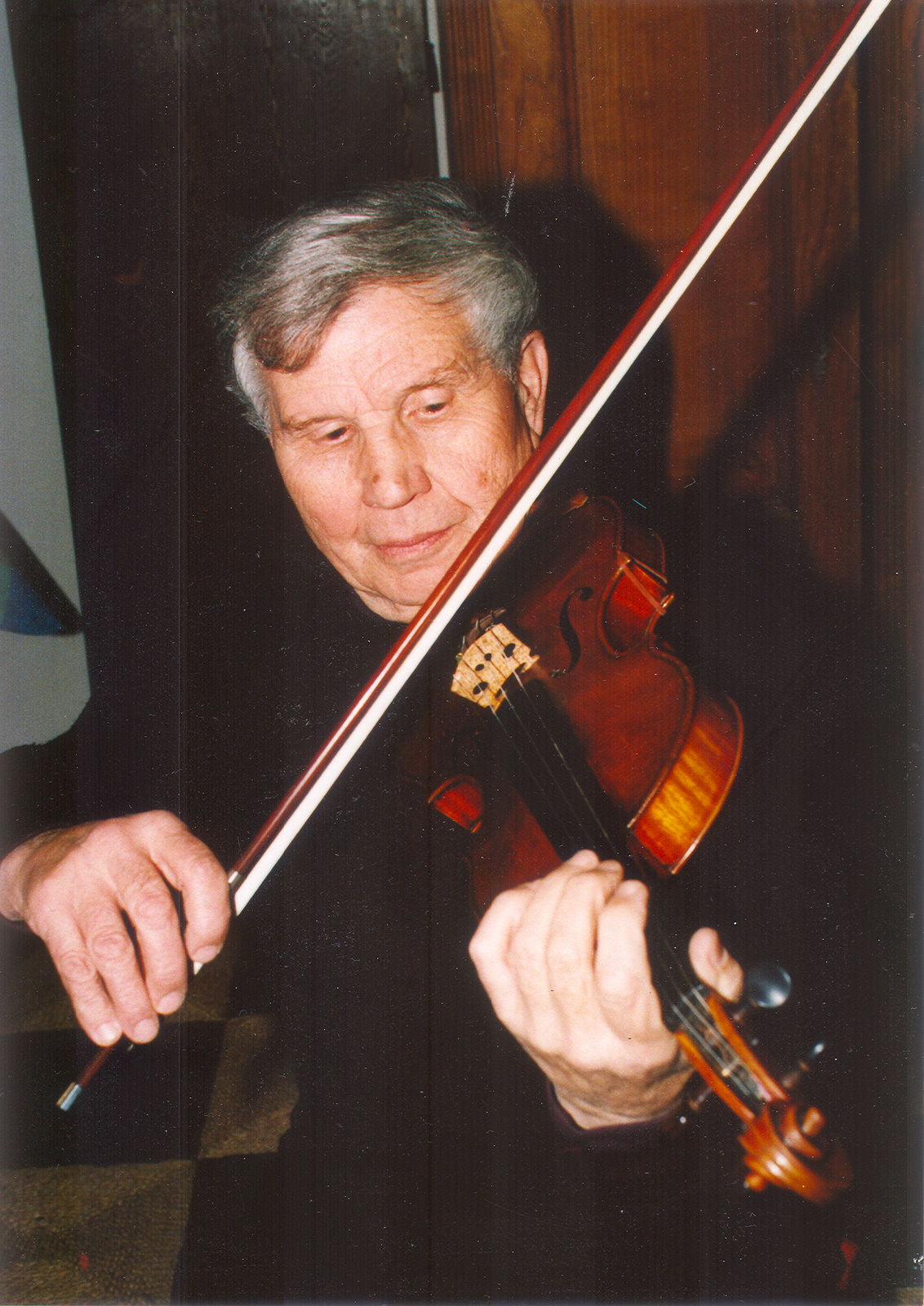
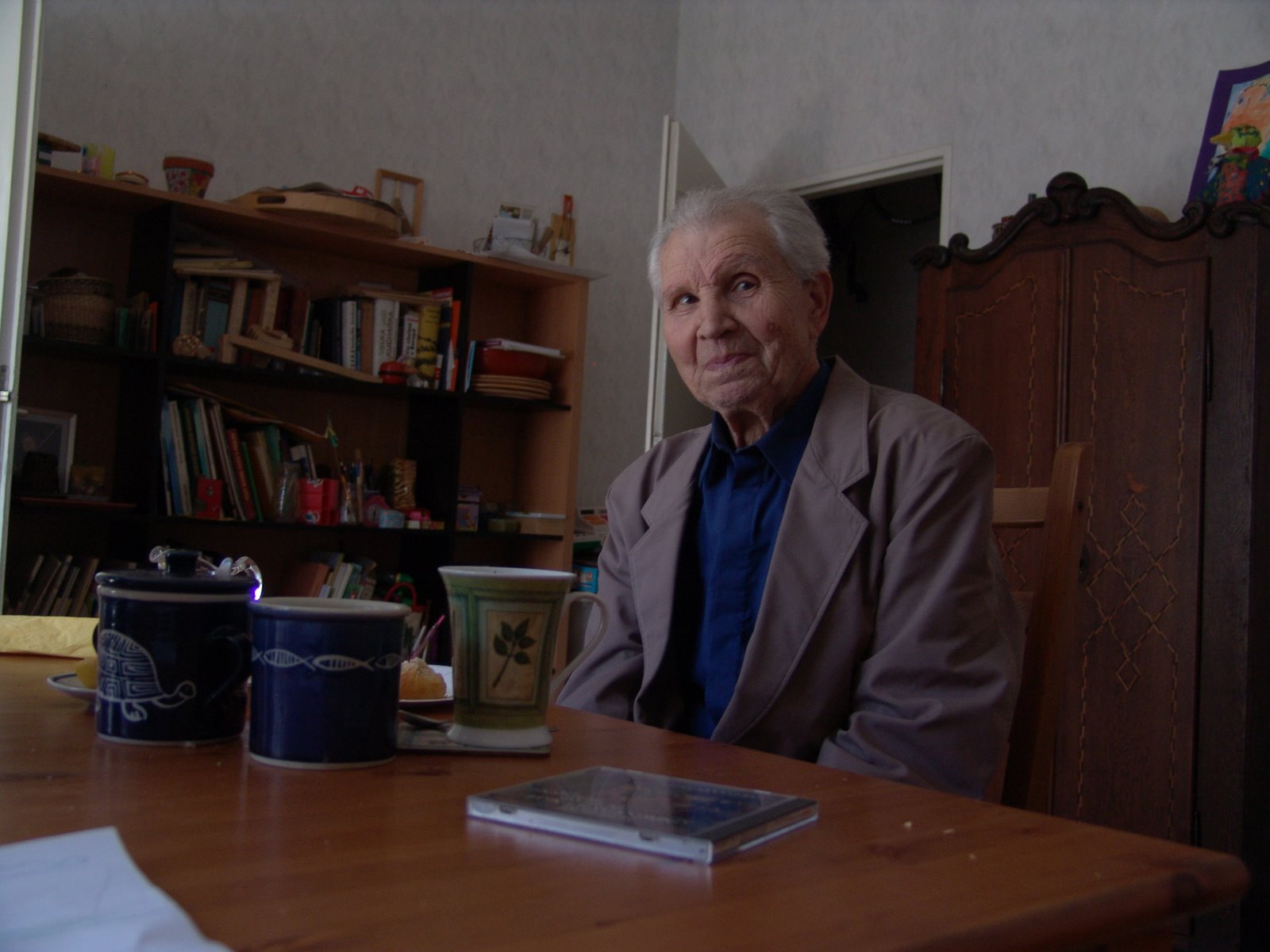
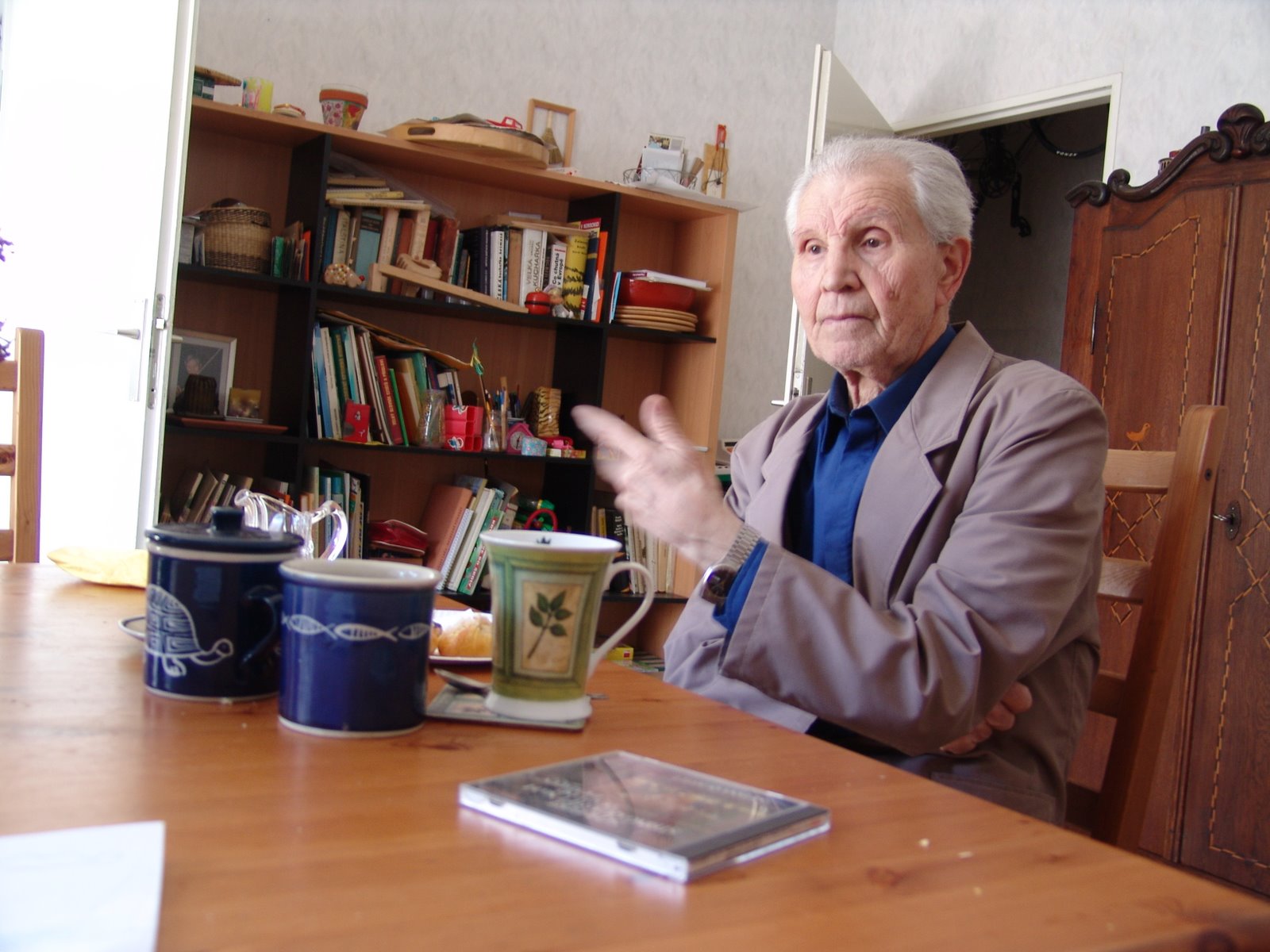
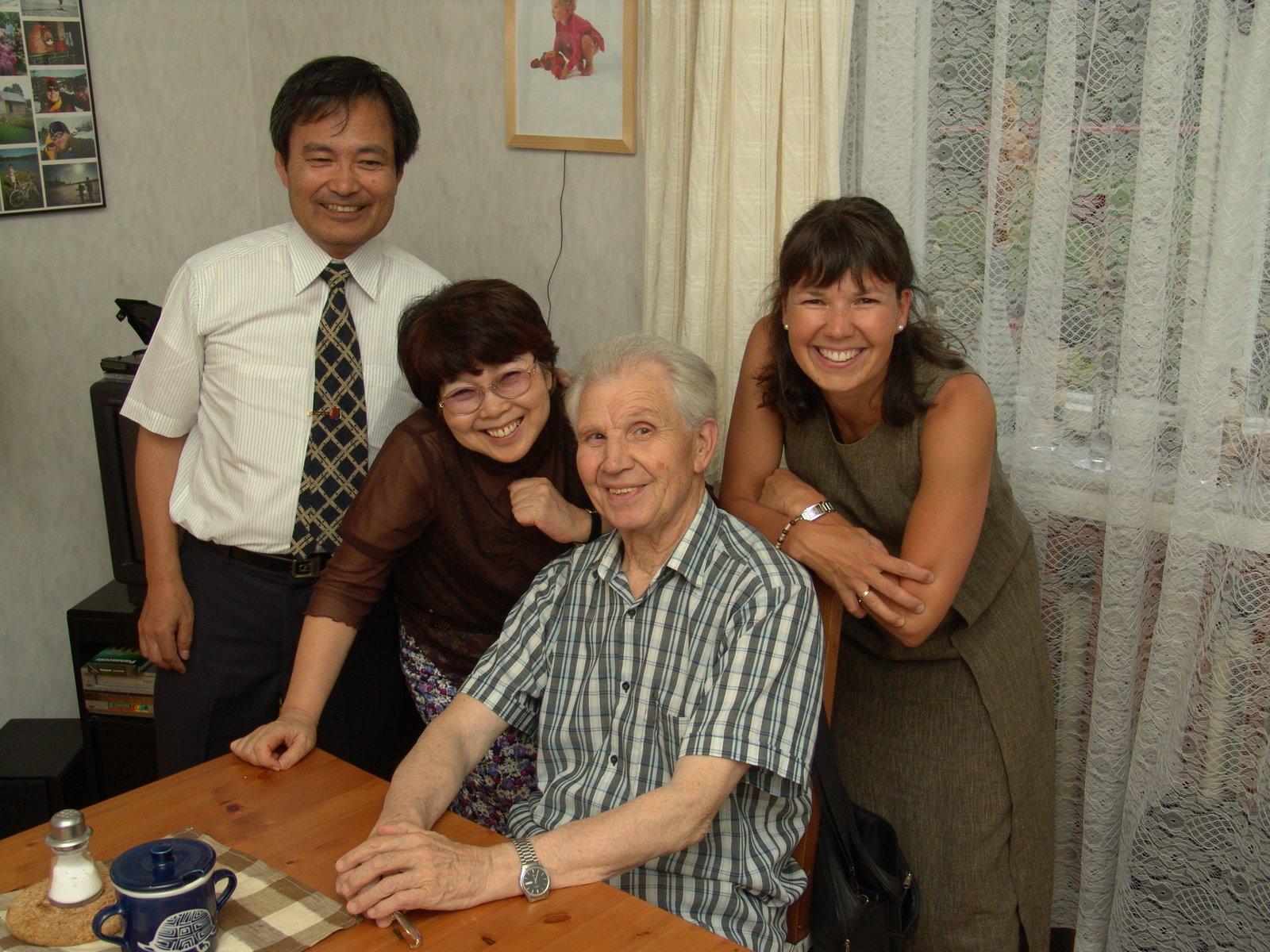
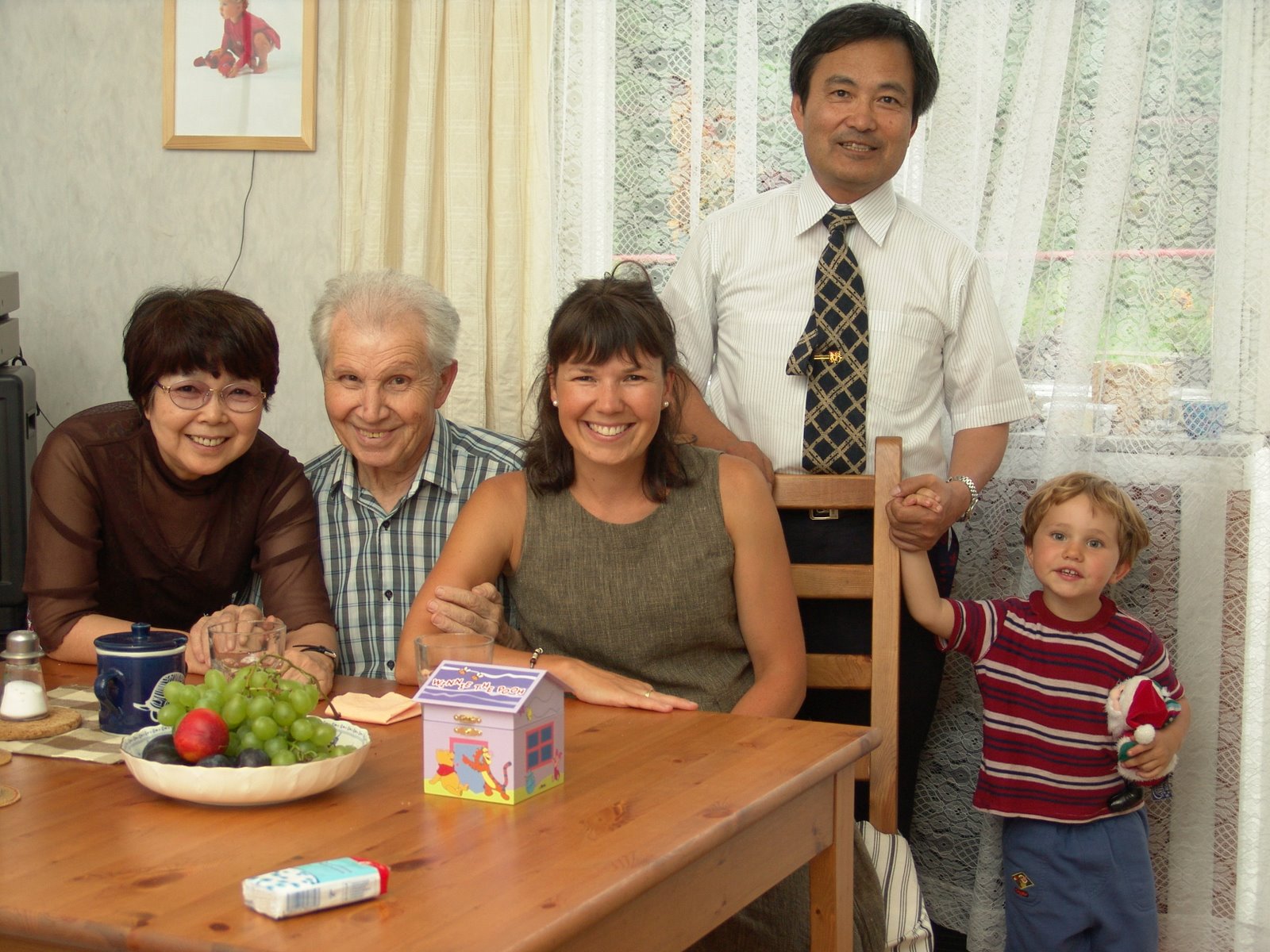
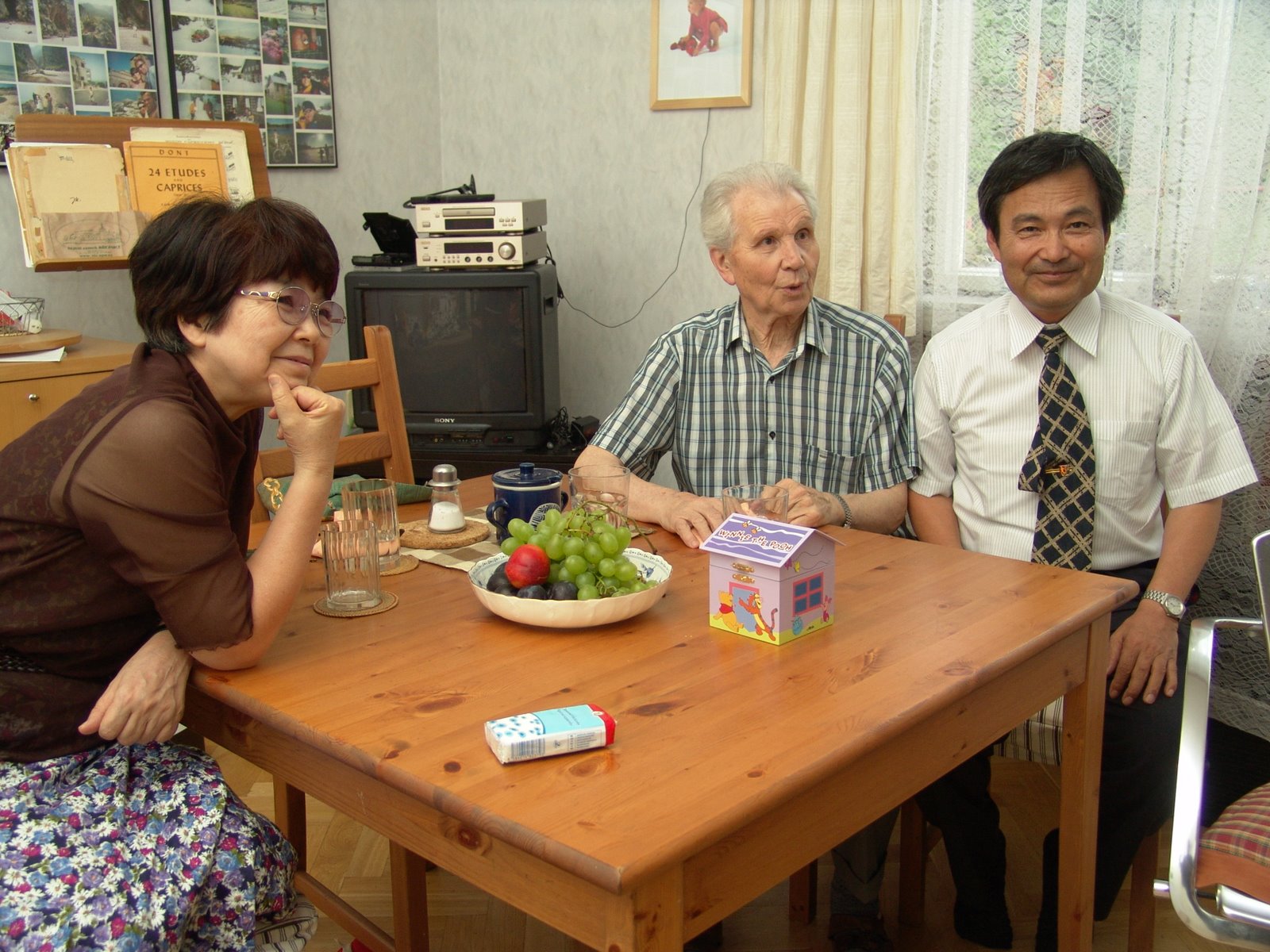
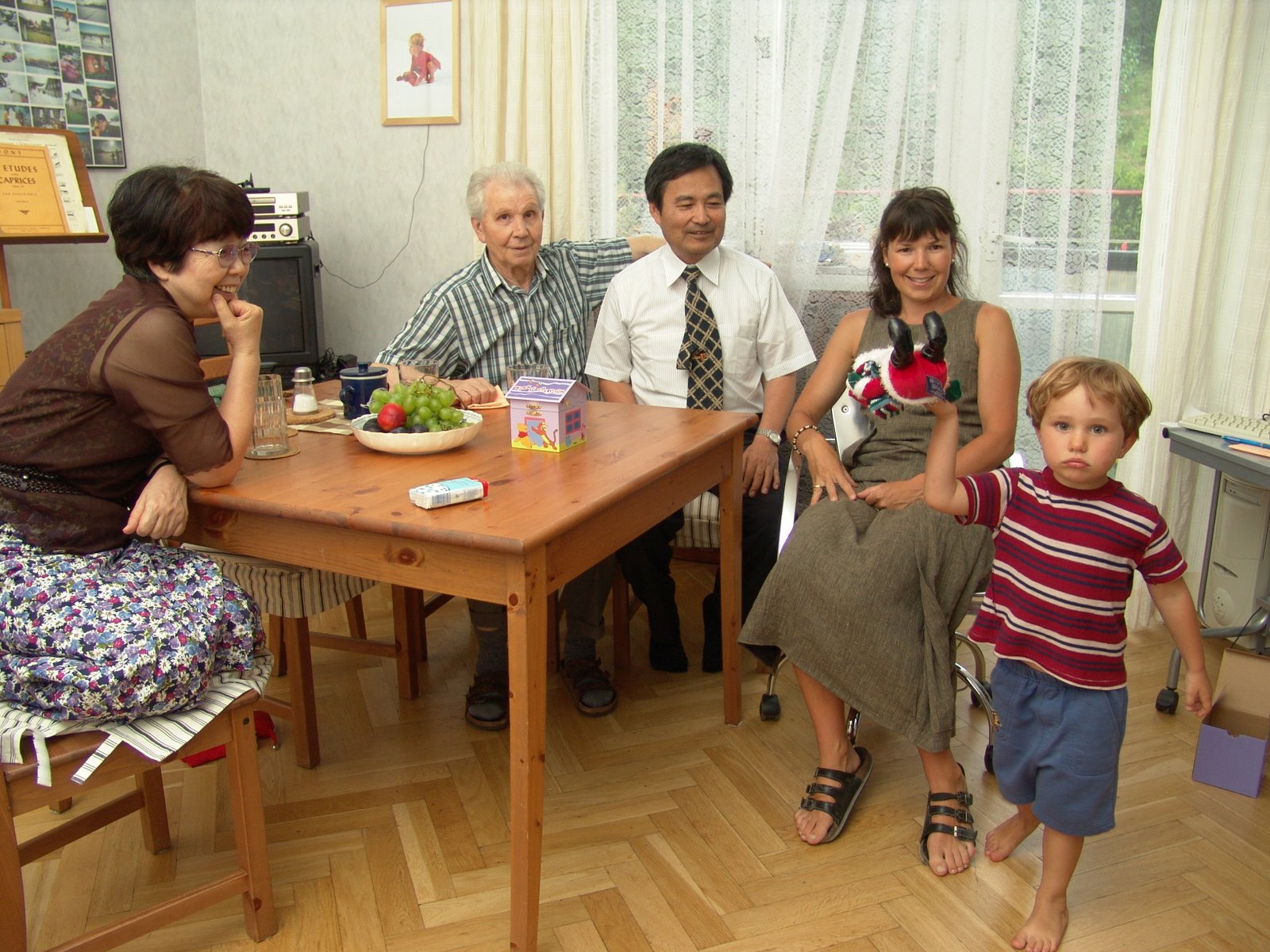
first violin (1947-1989), *1924 †2010
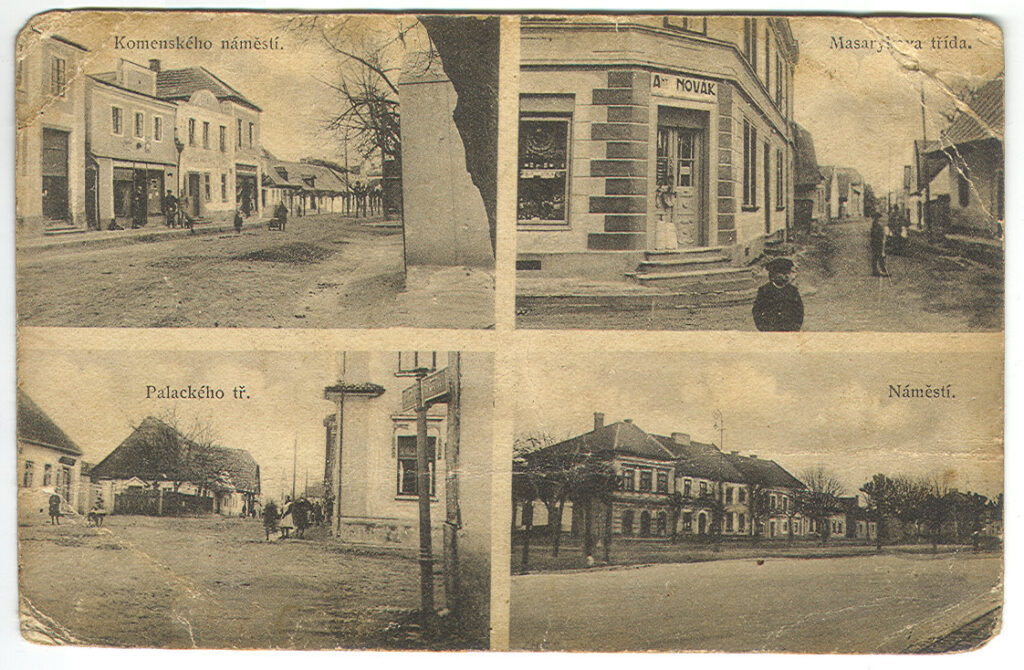
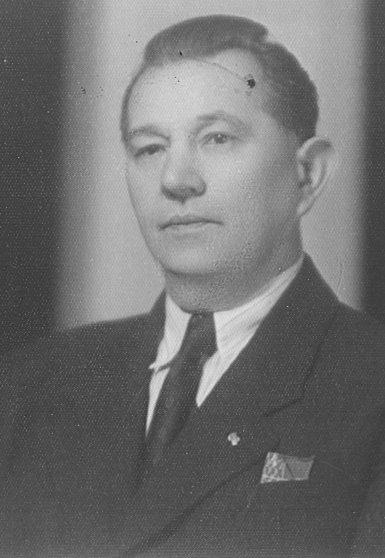
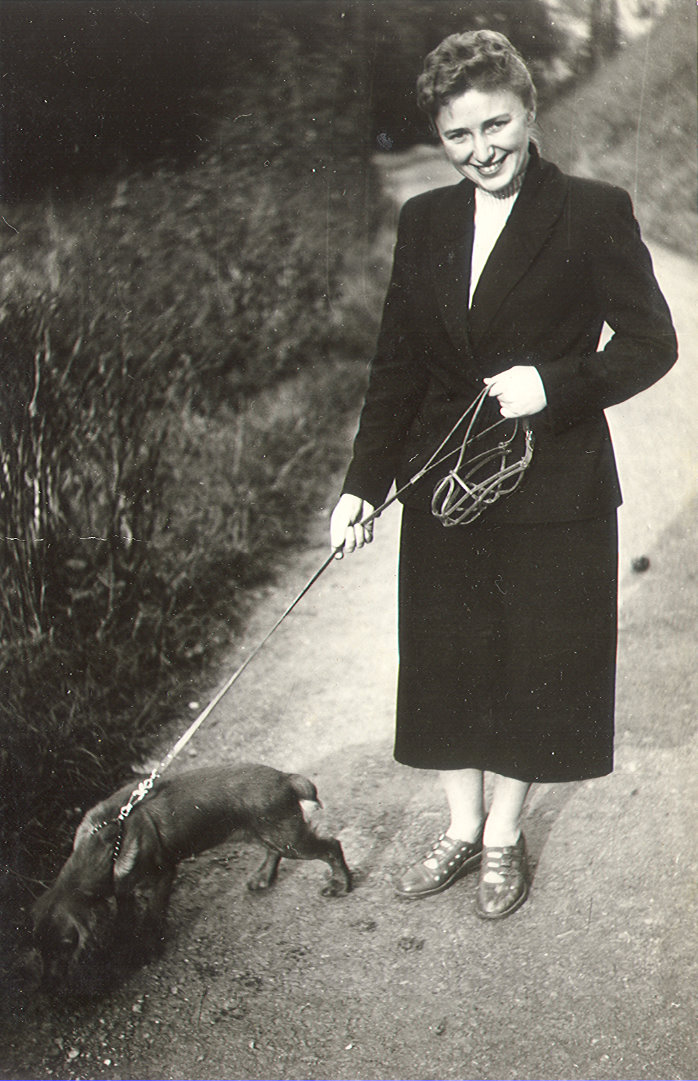
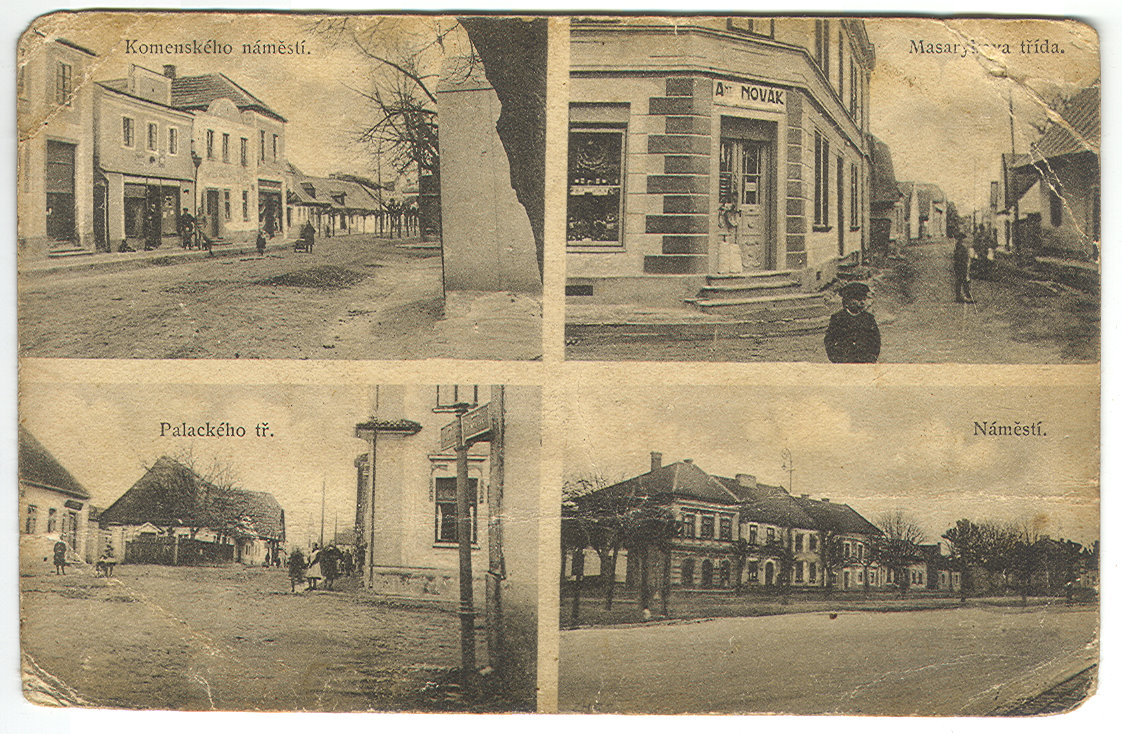
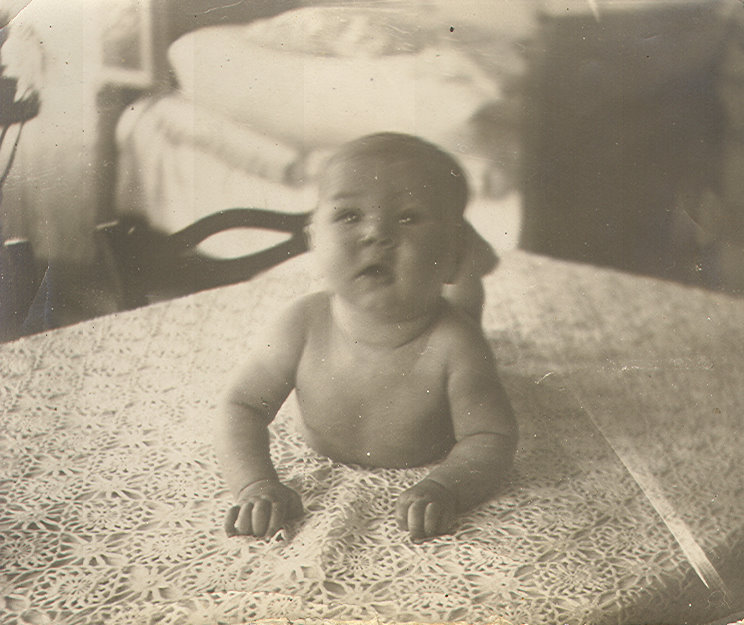
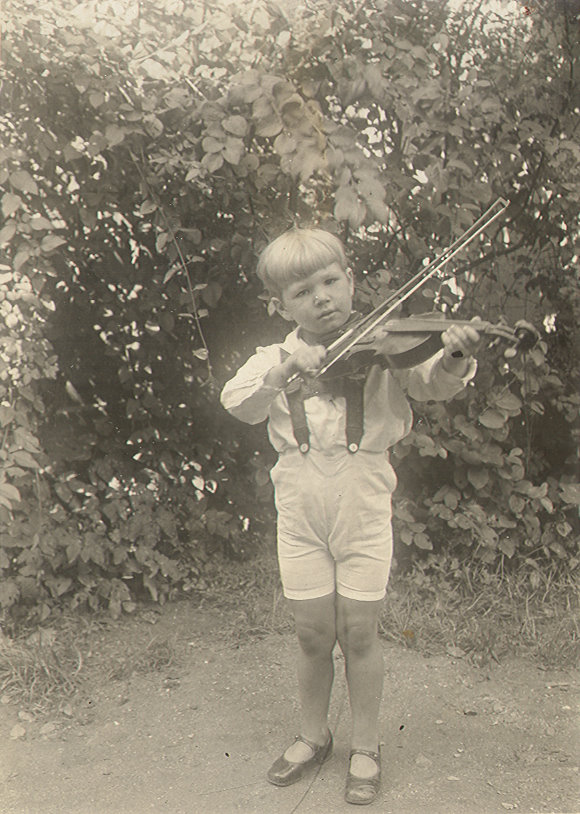
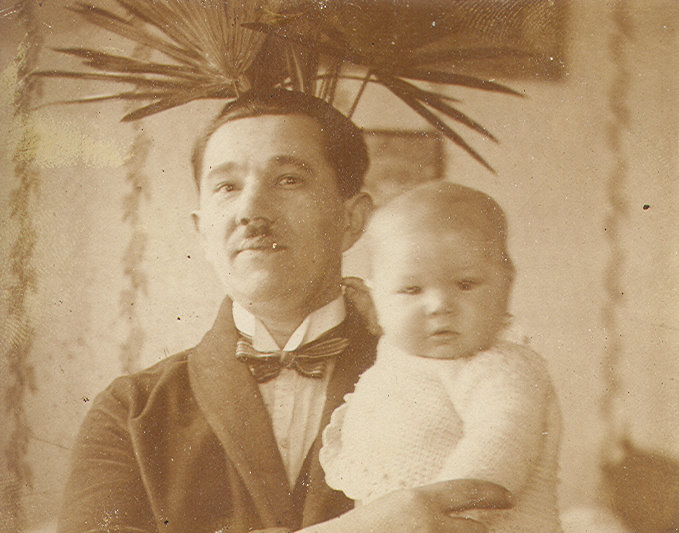
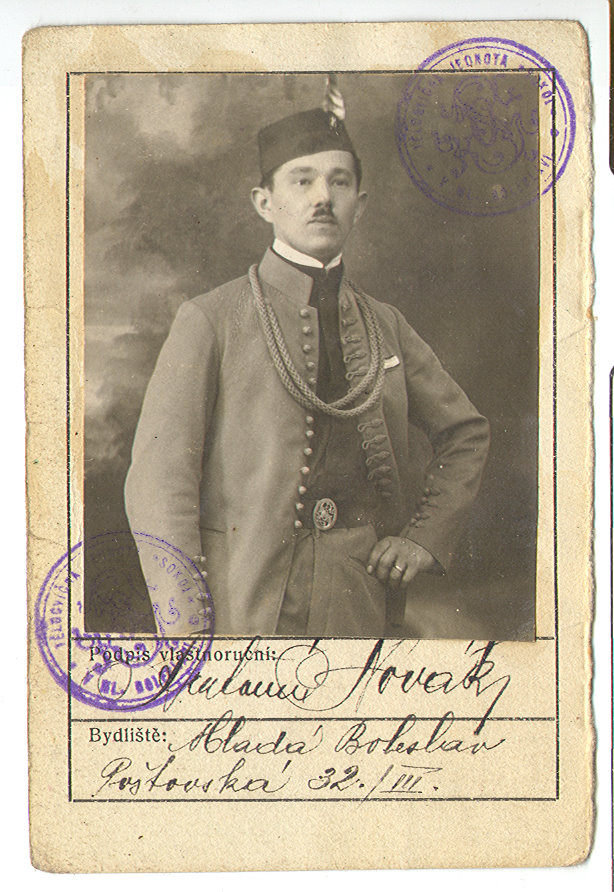
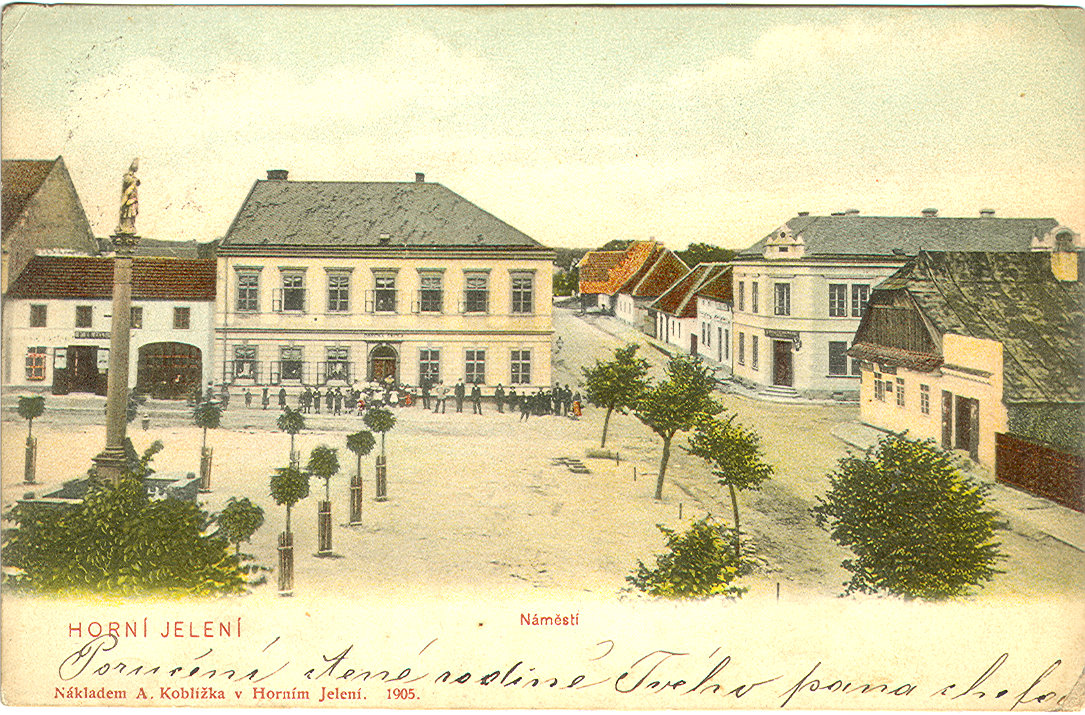
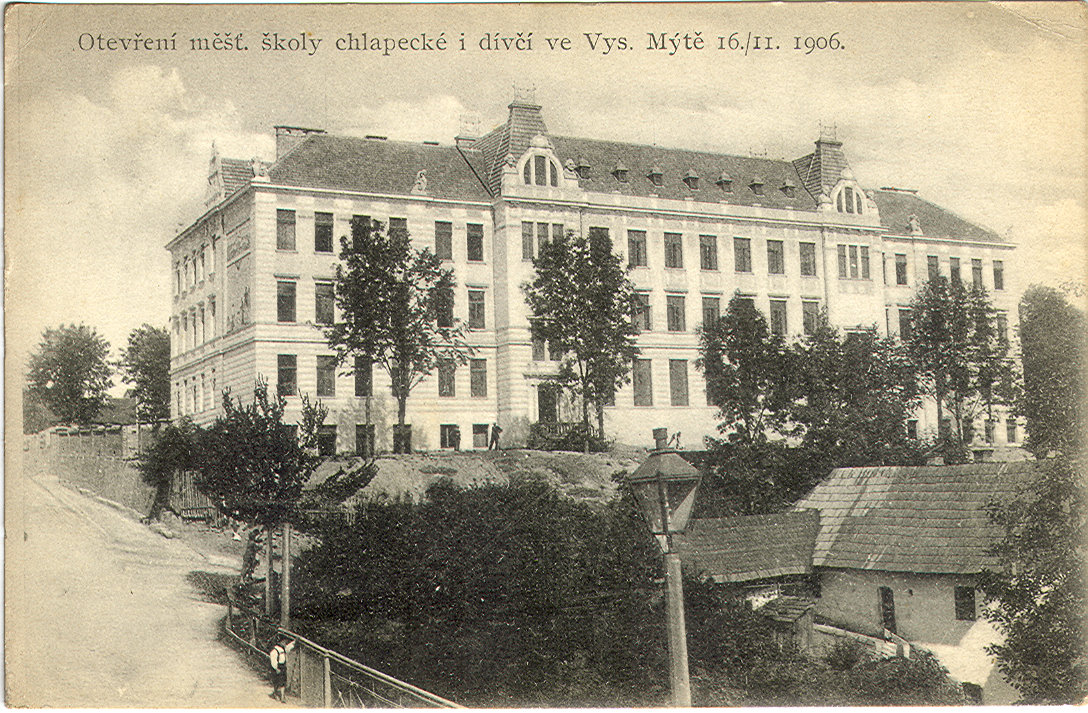
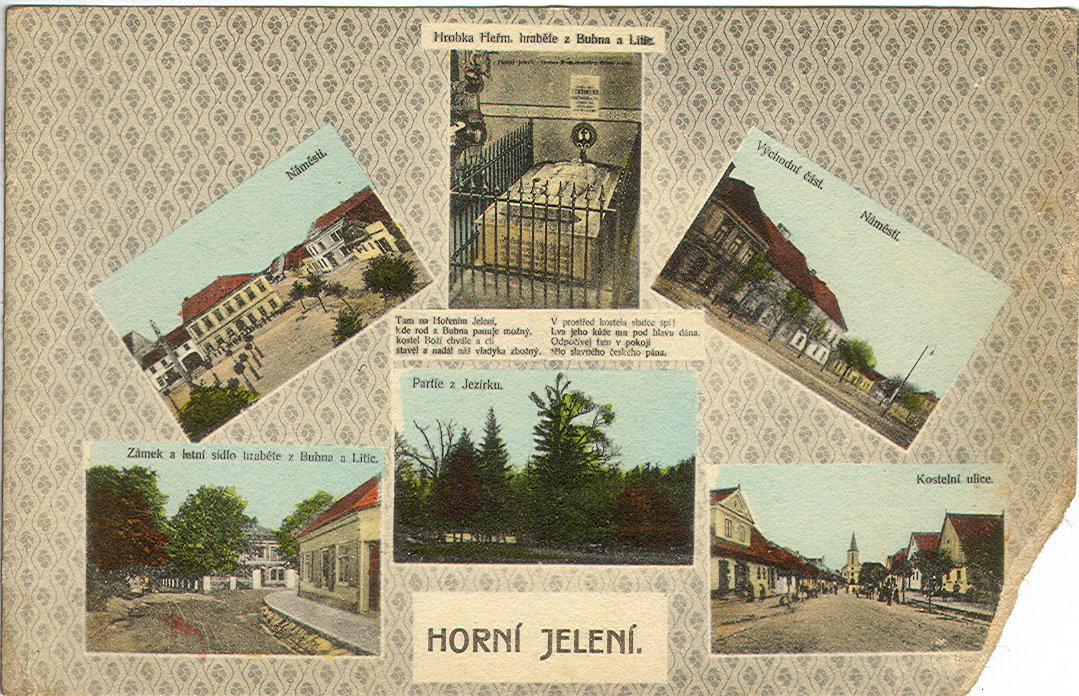
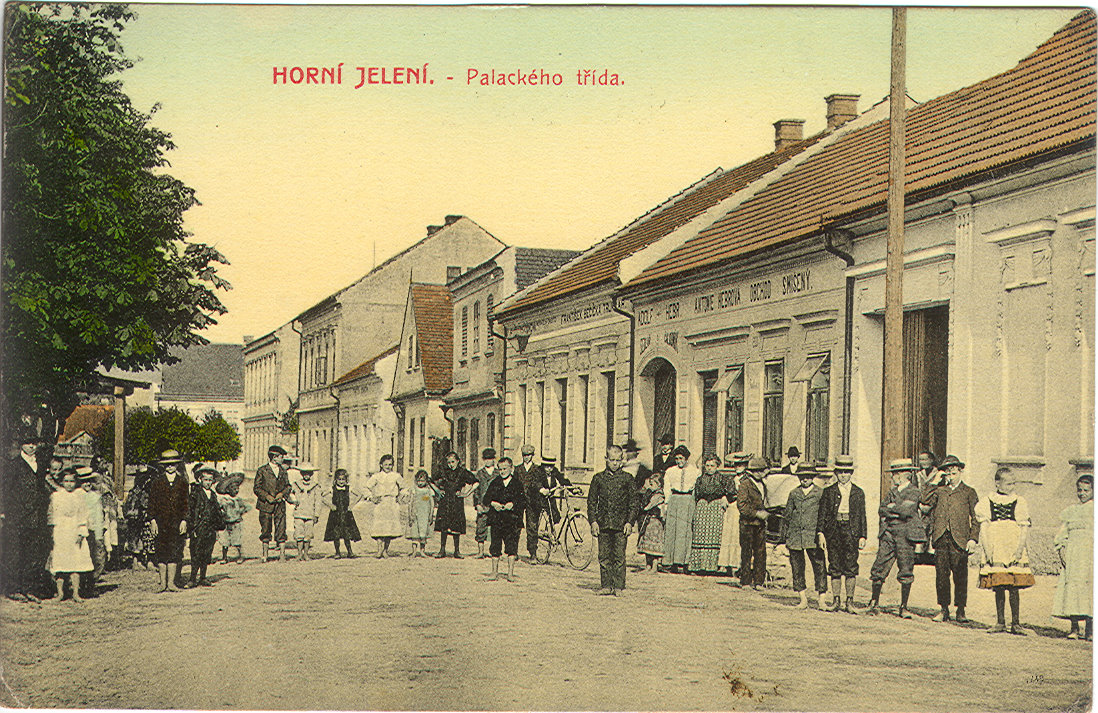
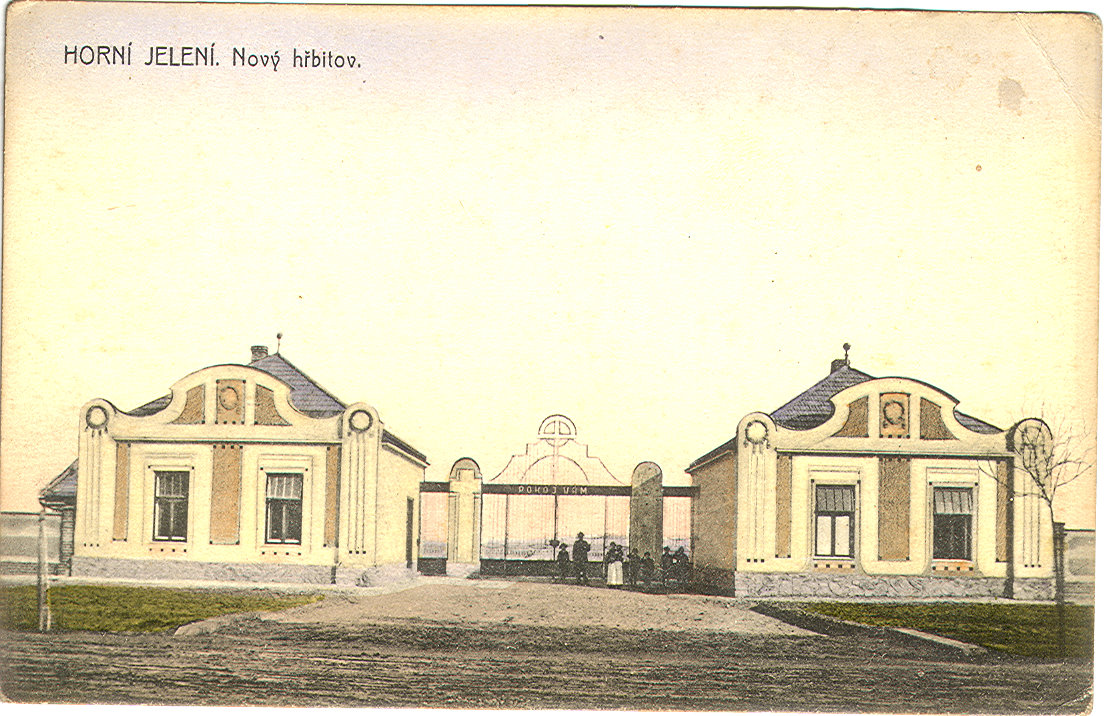
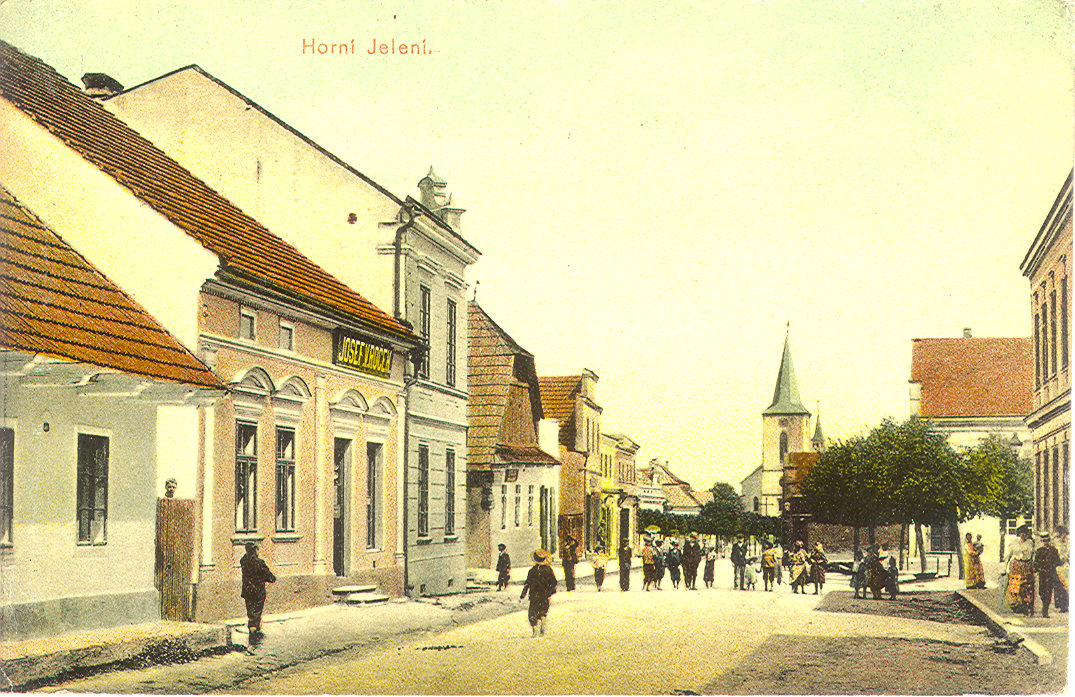
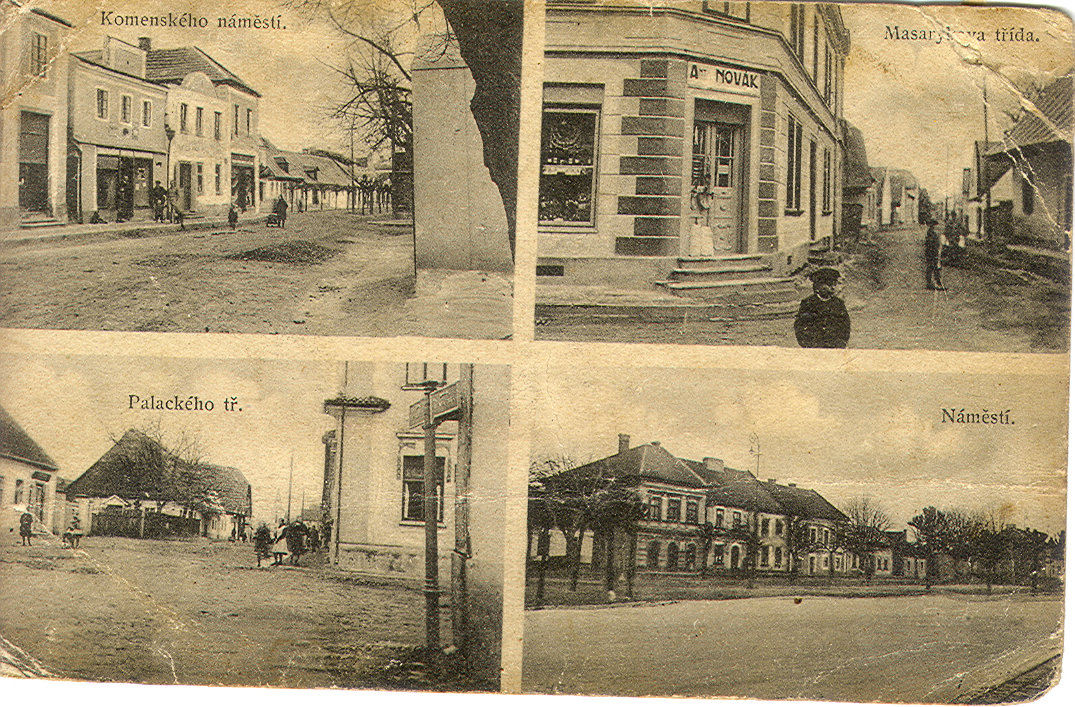
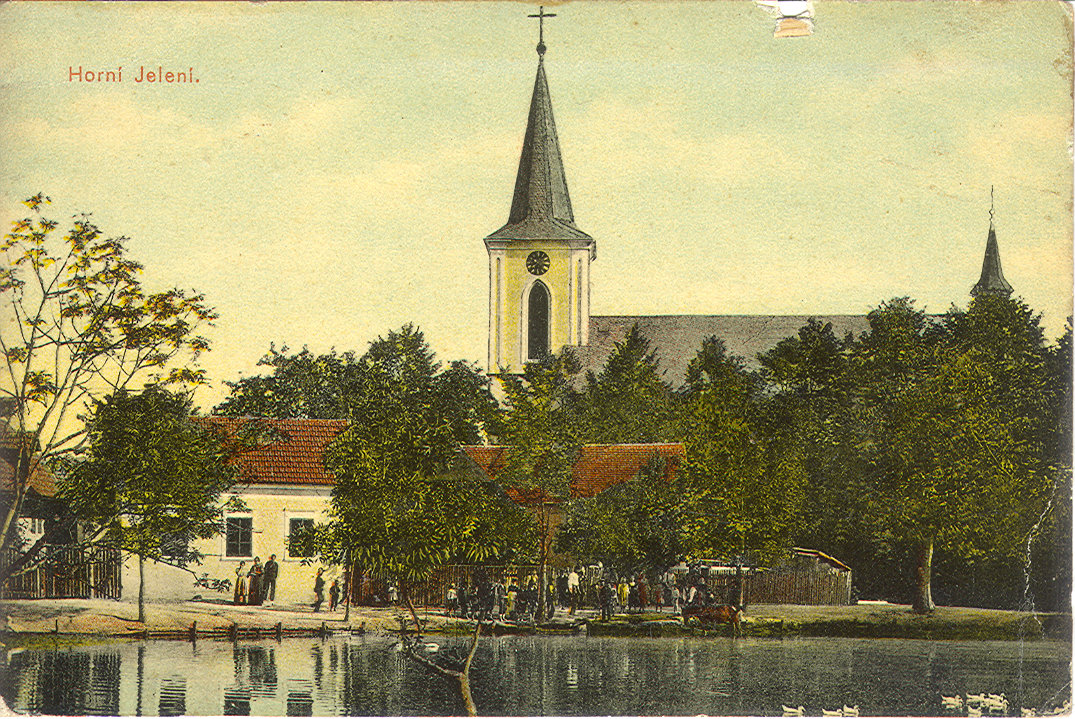
He was born on September 5, 1924 in Horní Jelení near Vysoké Mýto. His father, Antonín Novák, was a civil servant. His mother, Tekla, nee Vlková, was a housewife. They owned a small shop with other relatives, from which they later lost their share. Jiřík was an only child. His father, out of passion, played the violin as a self-taught musician and earned extra money at village events and also had several students. Jiří’s first teacher was Professor Böhm, the school principal in Vysoké Mýto, a pianist and organist.
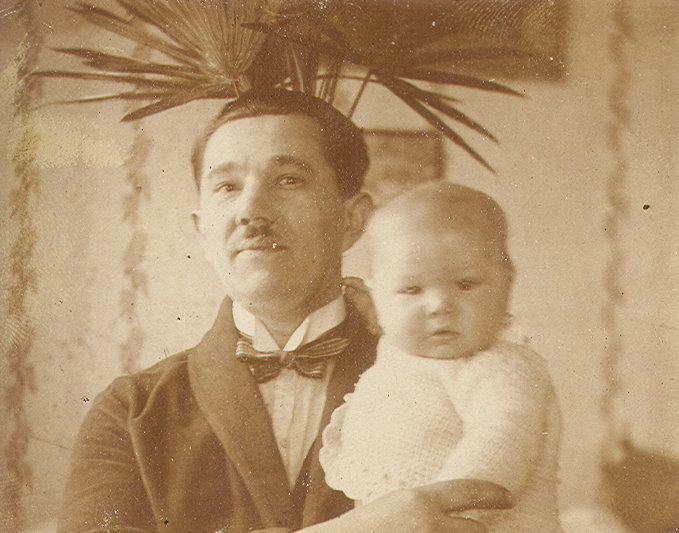
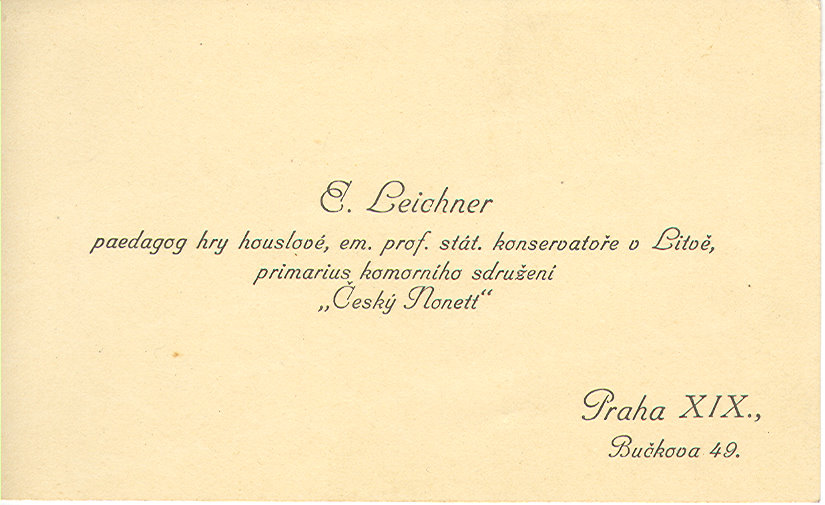
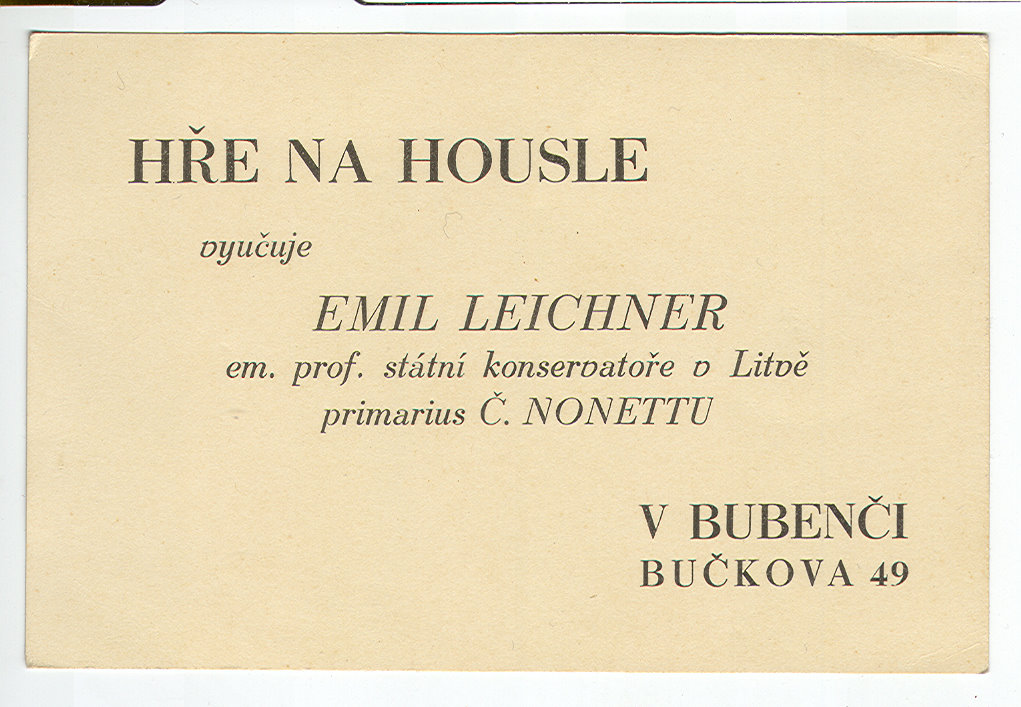
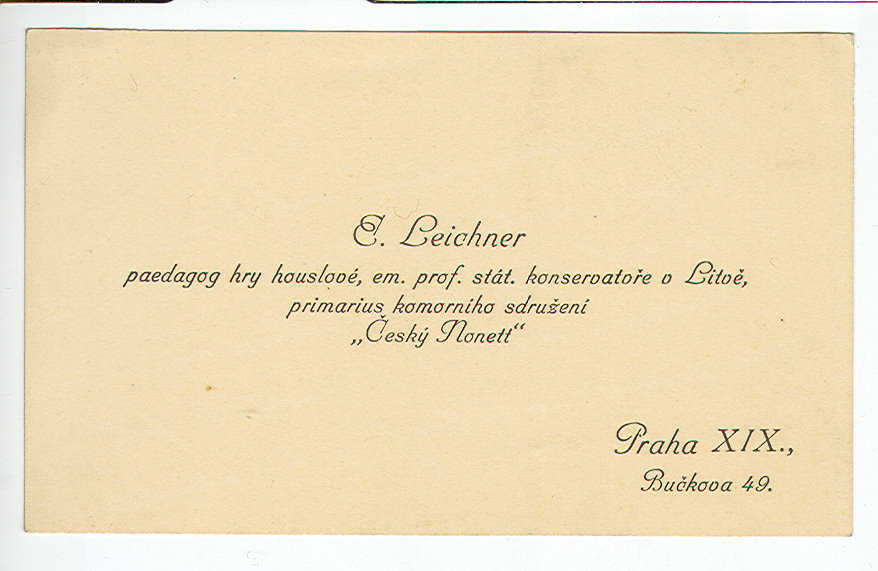
The initial pieces on the violin were folk songs. The Sokol gymnastics association organized a concert on June 29, 1929, where the nearly five-year-old Jiřík performed publicly for the first time. Due to existential problems, the family decided to move to Prague. Another teacher was the leader of the Czech Quartet, Karel Hoffmann, but he soon fell seriously ill and could no longer teach. In the first grade, he studied with Prof. Emil Leichner, the founder of the Czech Nonet. The talent of the ten-year-old violinist was also noticed by Alice, the daughter of Tomáš Garique Masaryk. She invited young Jiřík to the castle in Lány. In the presence of the president, he played a few concert etudes in the study and, thanks to this performance, received a scholarship.
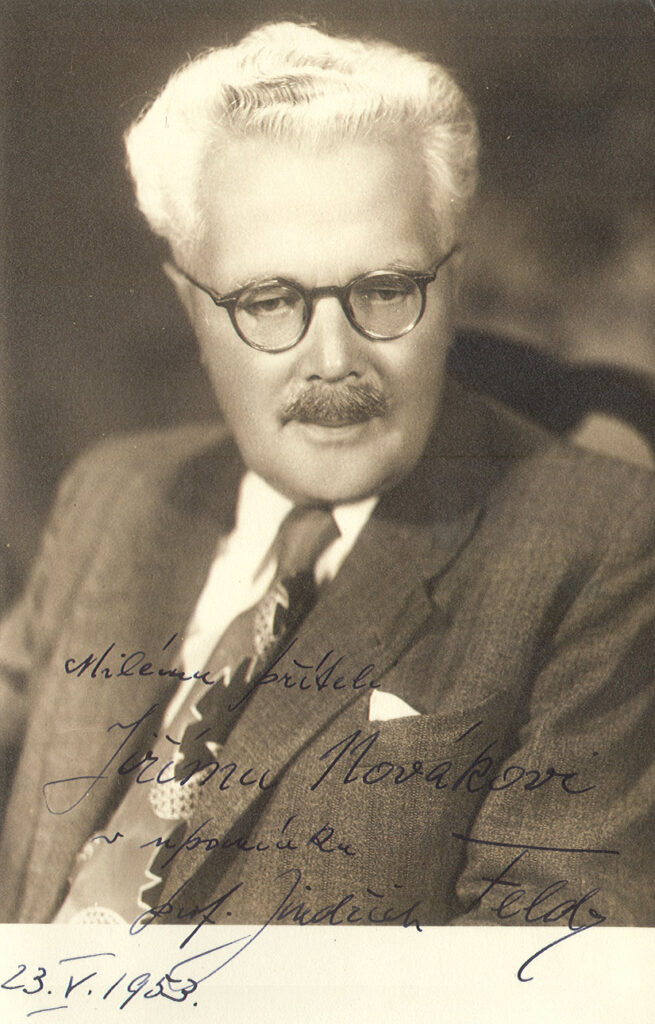
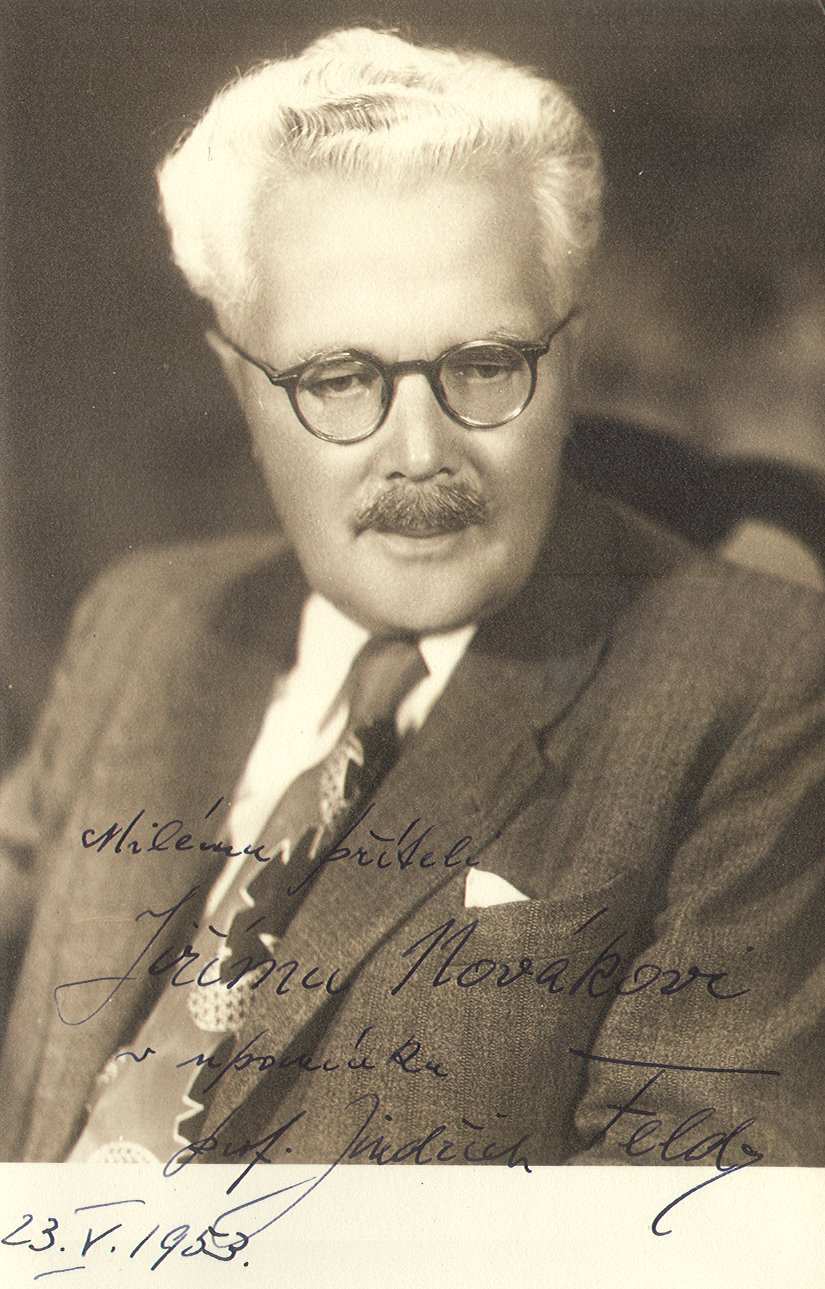
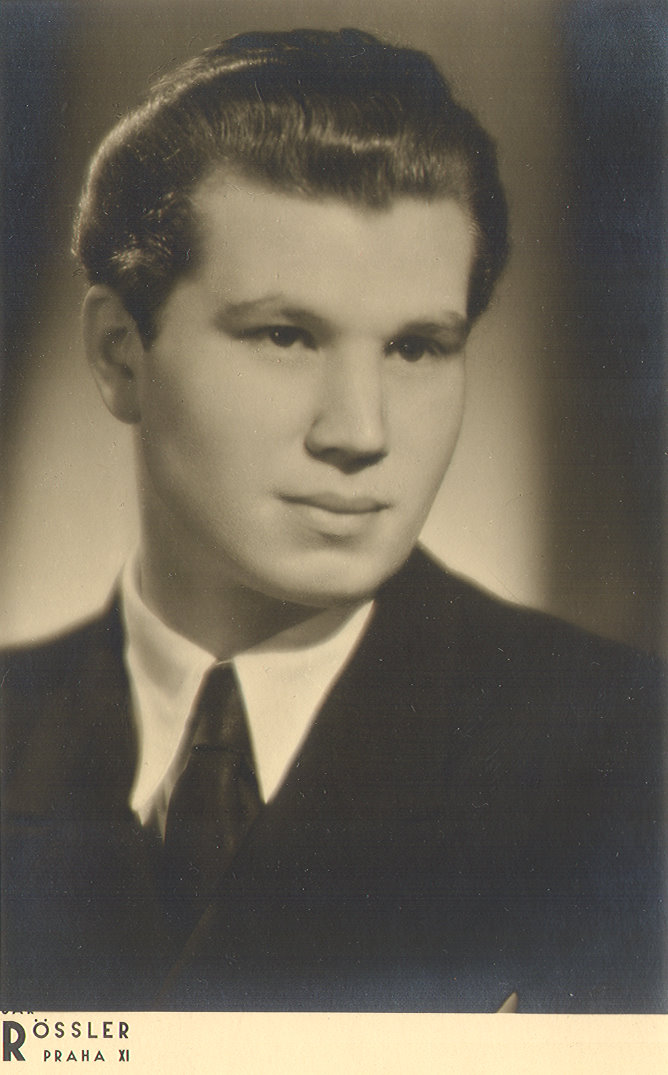
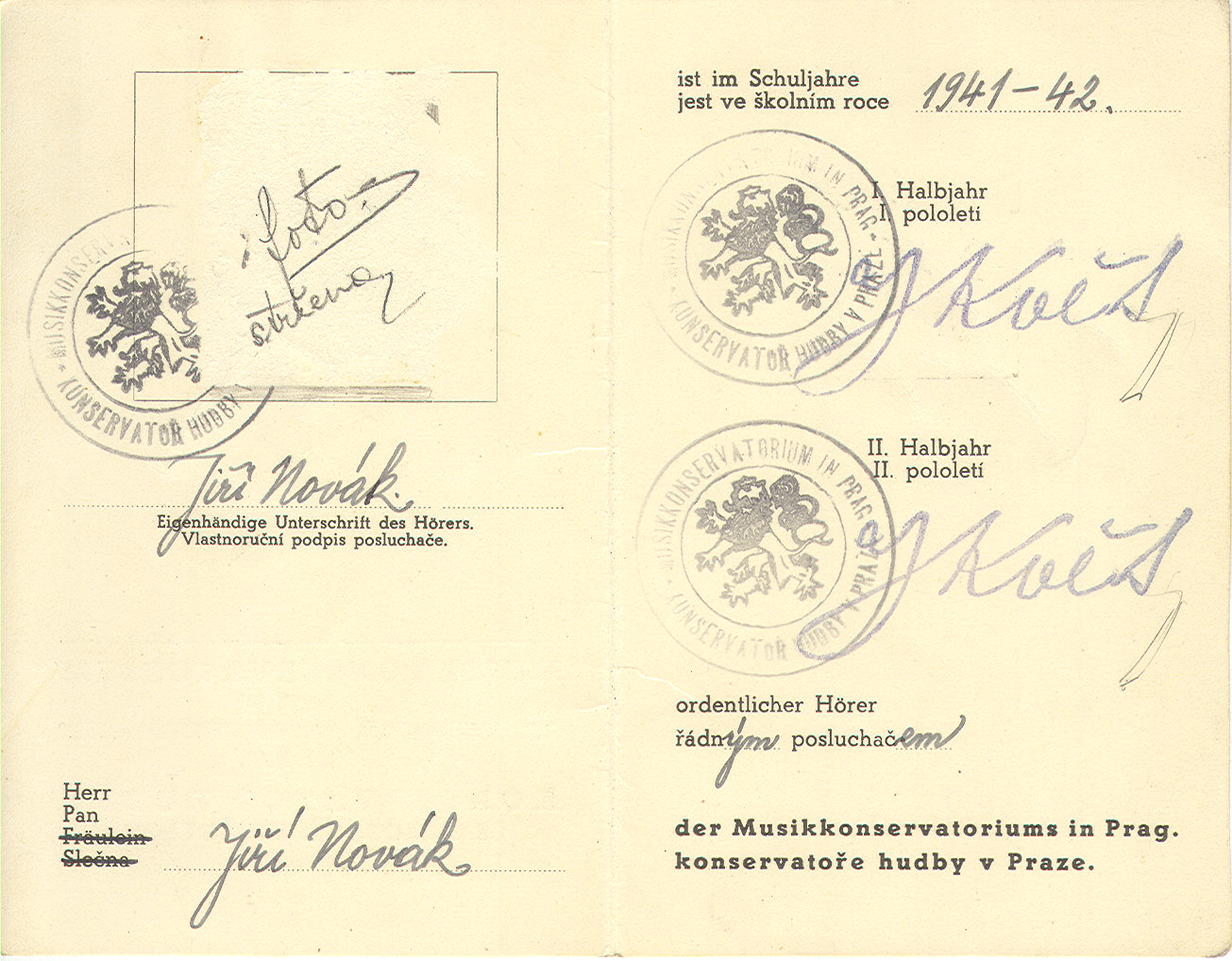
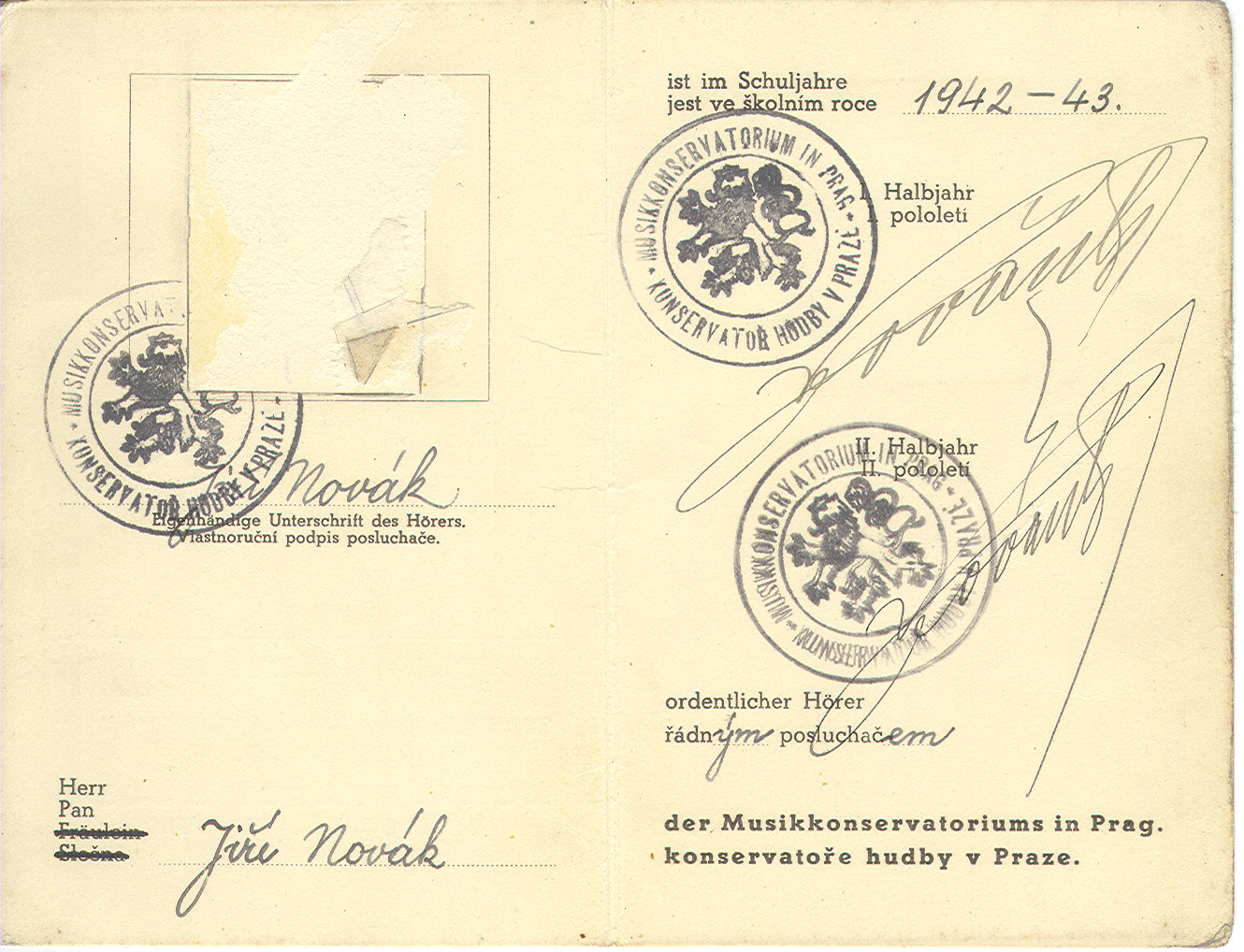
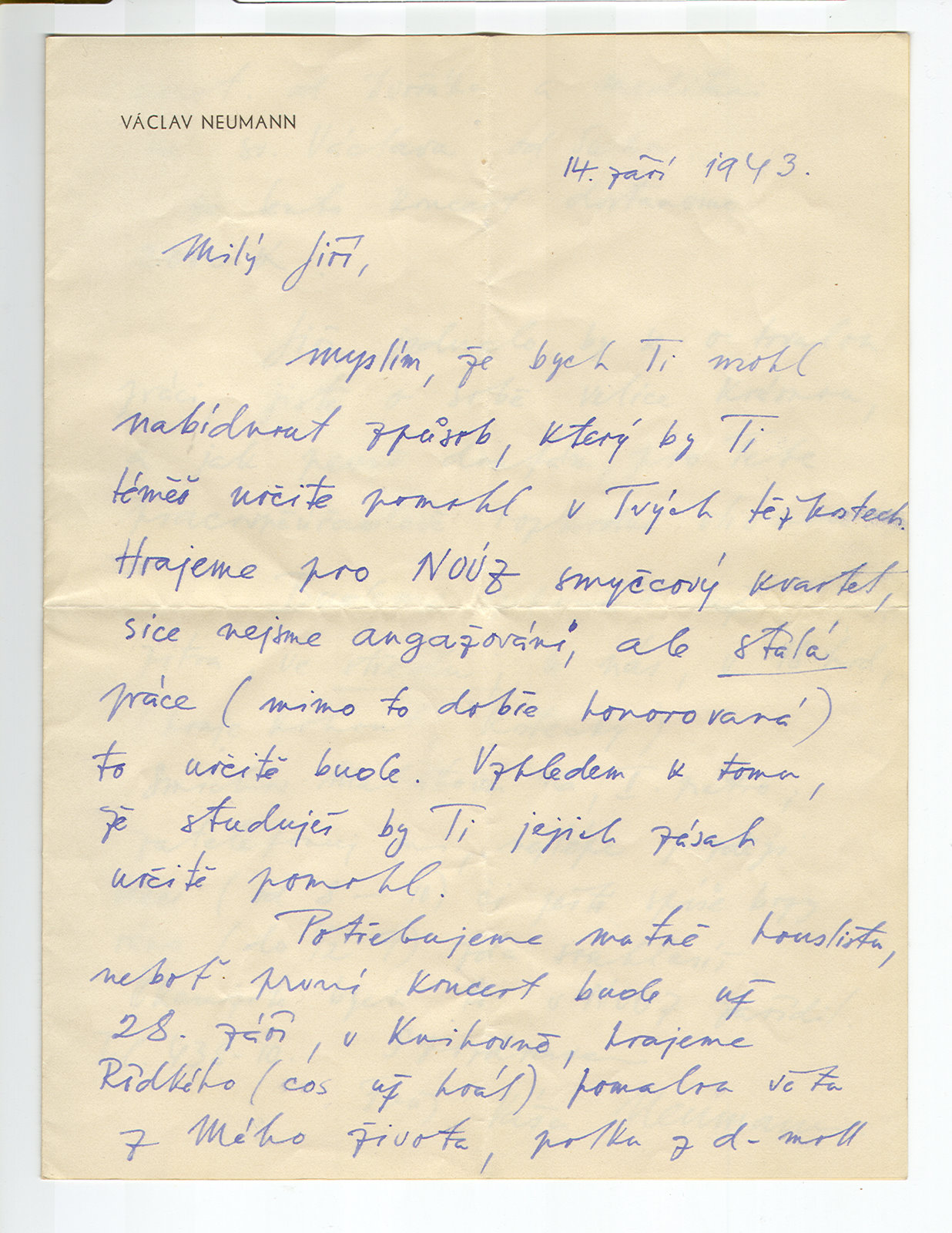
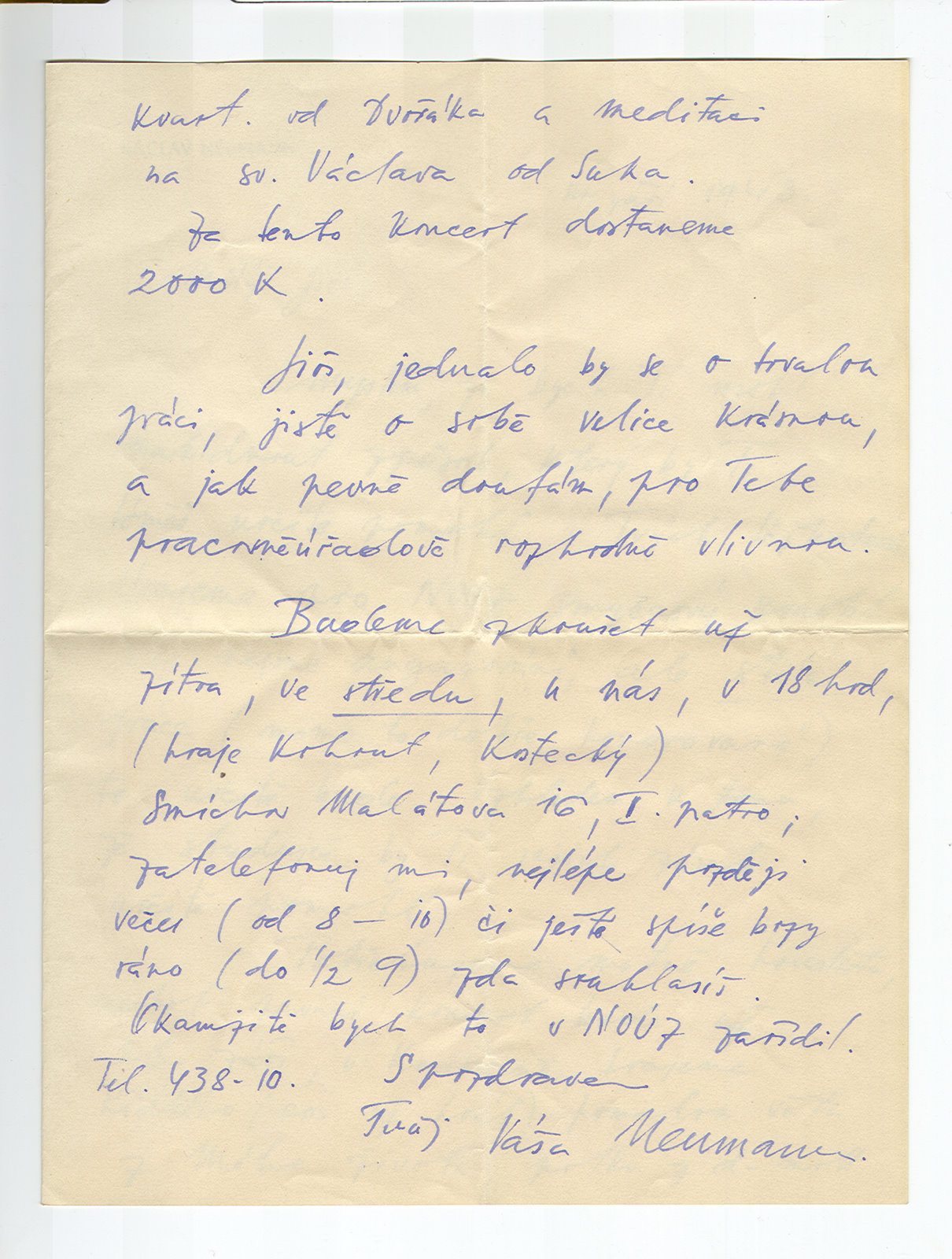
At the age of 14 in 1938, he became a student atprofesora Jindřicha FeldaHe studied basic violin literature with him. At this time, he already earned money as a concertmaster in the orchestra for performances at the theater in Karlín, where the rural comedy Zlý jelen was performed. The acting performances of Pivec, Neumann, and other famous names of the time were accompanied by the orchestra music conducted by Václav Neumann. Thanks to Neumann, he also played at a one-time concert in 1943 with the future Smetana Quartet with Neumann, Kohout, and Kostecký.
After the closure of the universities, he was supposed to be deployed to Germany. But luckily, the German opera from Duisburg came to Prague and performed at today’s State Opera. Jiří Novák got a job here thanks to a successful audition. His parents were very relieved that he didn’t have to go to the Reich.
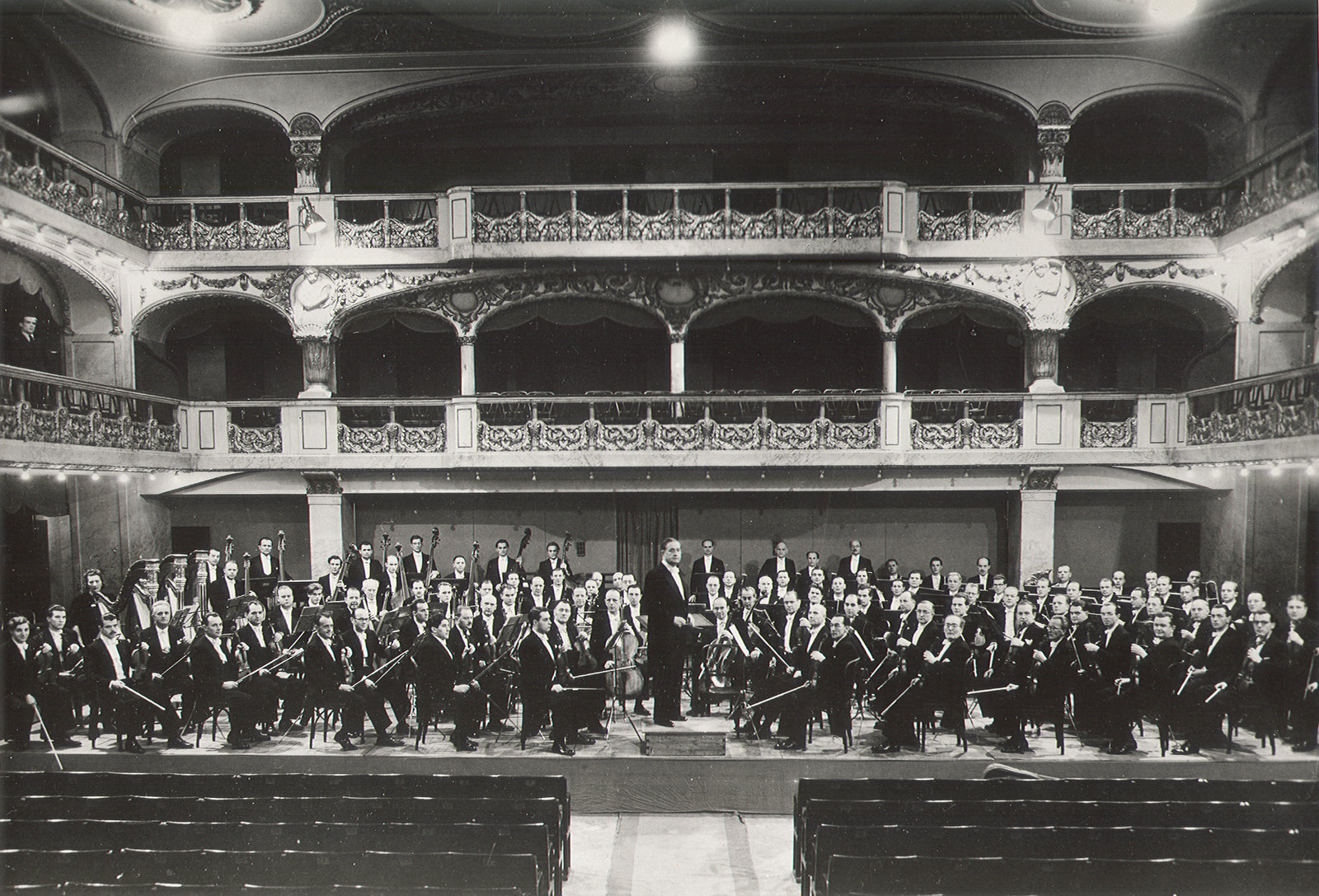
For the 1944 and 1945 season, they studied fifteen operas including Wagner’s and performed a few of Mozart’s operas at the Estates Theatre. After the end of the German opera, in 1945, he played in the German Philharmonic as a second violinist.
After the war, he joined the Academy of Performing Arts to study under professor Jaroslav Pekelský, a second violinist of the Ondříček Quartet from 1948 to 1952.
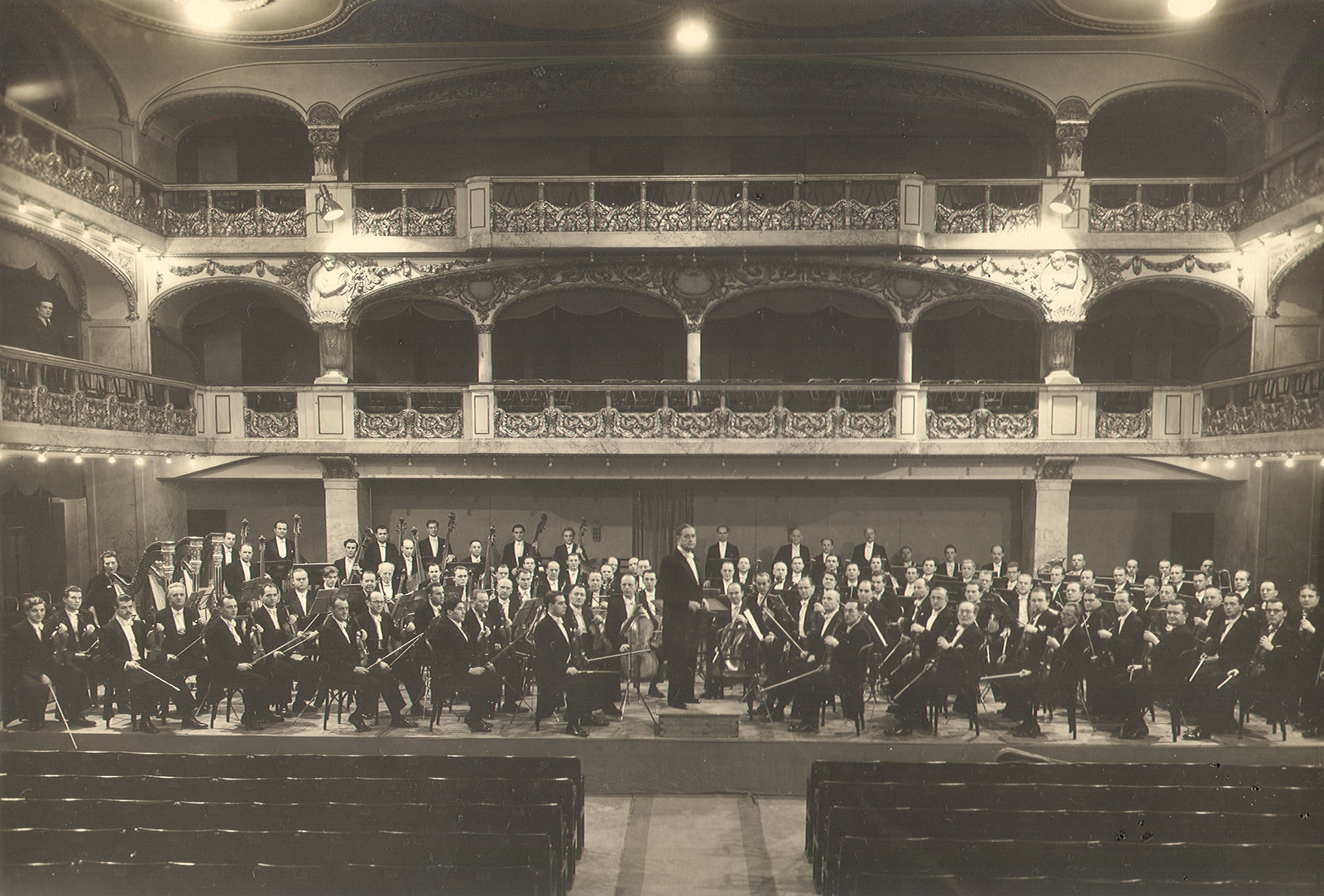
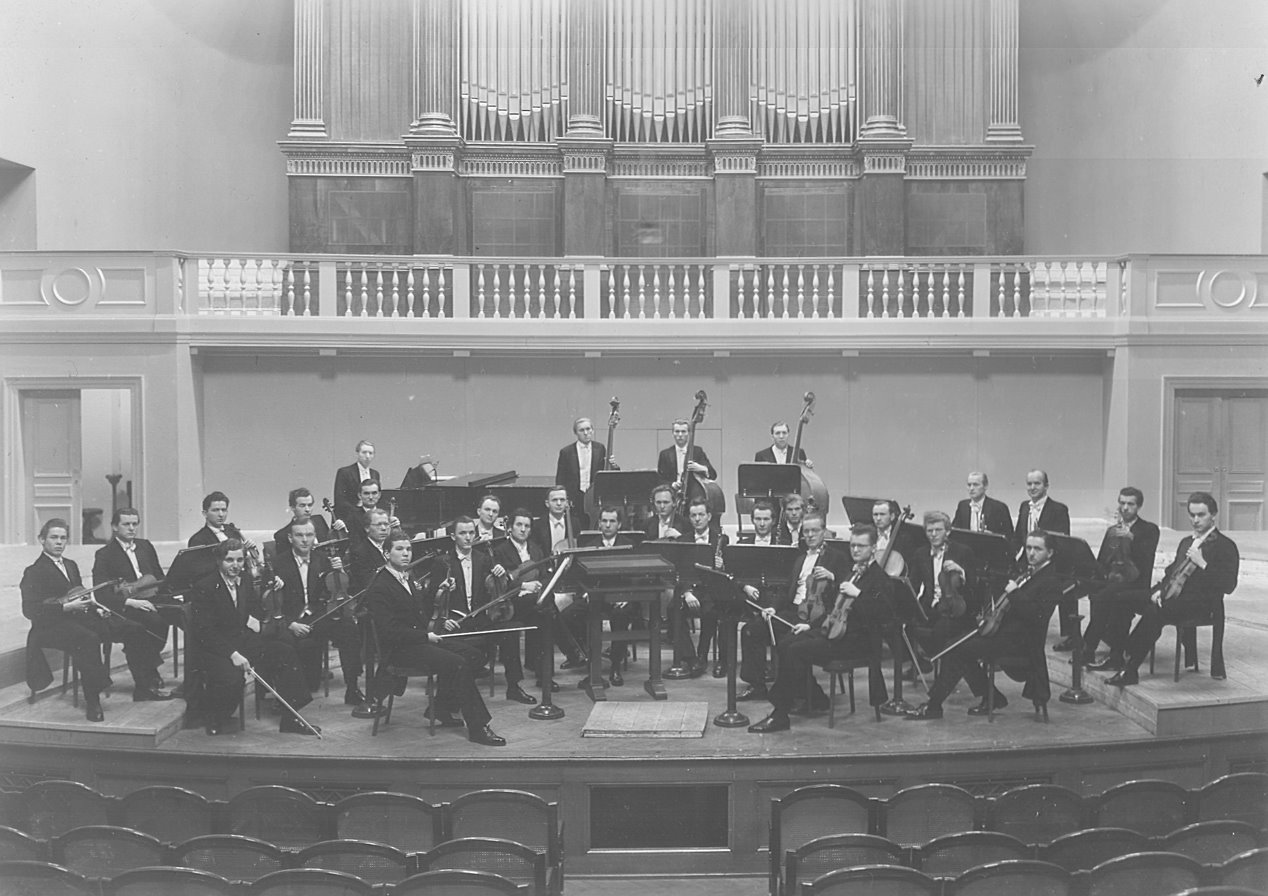
In 1945-47, he played in Talich’s chamber orchestra as concertmaster, and Josef Vlach also played with him at the podium. Talich noticed Novák’s remarkable talent and nurtured him for a solo career. However, the political situation in 1948 ended Václav Talich’s activities in Prague, thereby also ending the entire orchestra. At that time, the Smetana Quartet were figuring out who would play the first violin. Antonín Kohout contacted Jiří Novák with a letter, asking if he would like to play in the quartet.
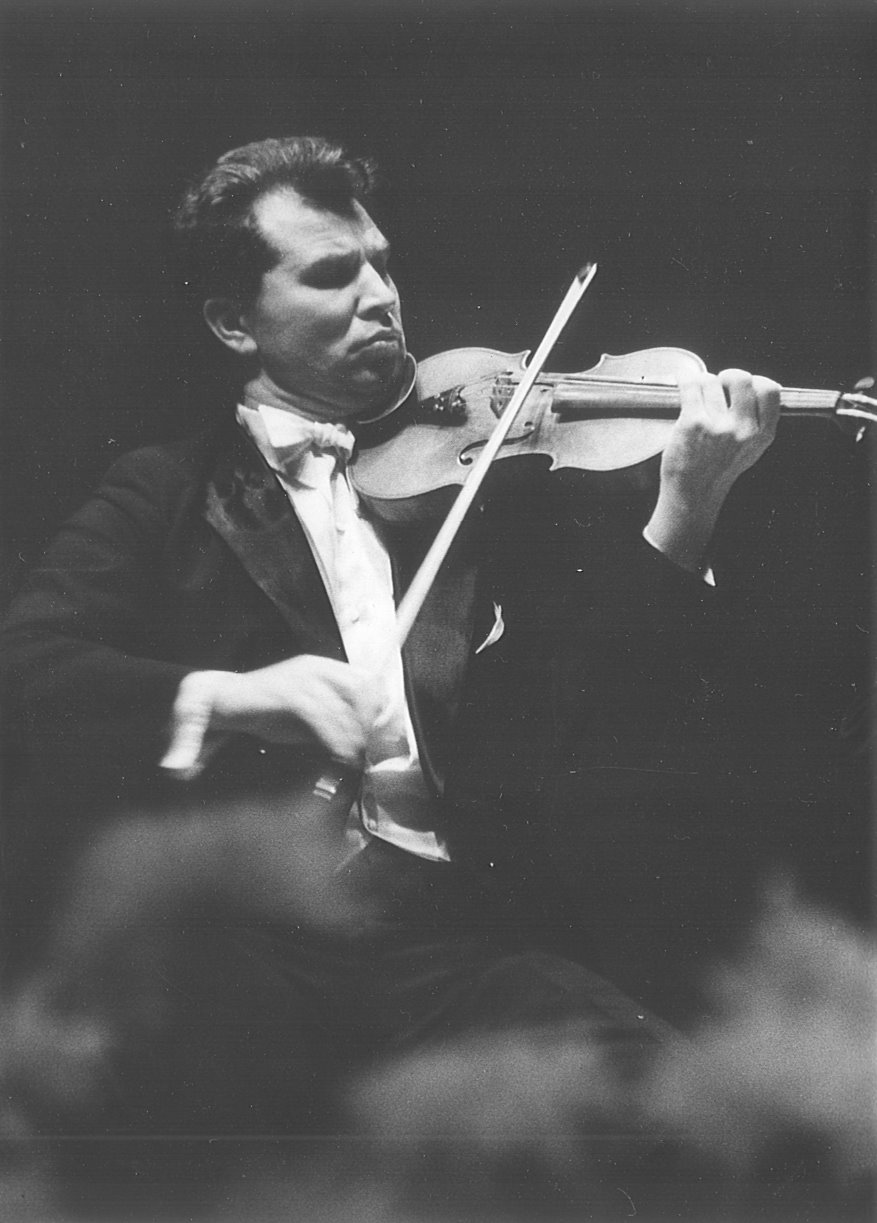
Novák decided and on January 2, 1947, he joined the Smetana Quartet, thus launching his amazing solo and quartet career.
At the same time, he was still a student at AMU in the class of Jaroslav Pekelský, the second violinist of the Ondříček Quartet from 1948-1952, with whom he performed a concert by A. Khachaturian and with the Czech Philharmonic.
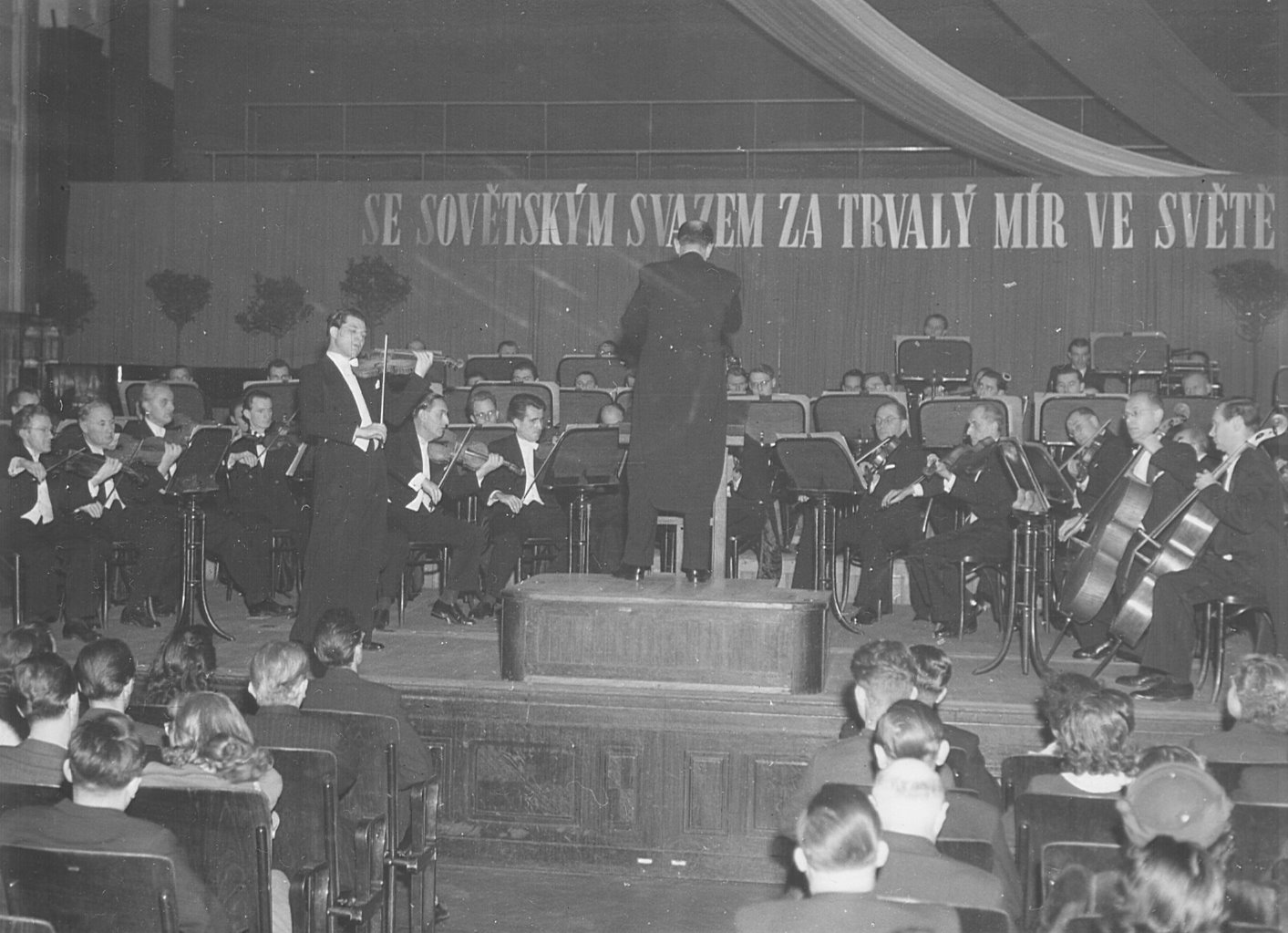
During his chamber music career, he also managed to study solo concerts. With Václav Talich and the Czech Philharmonic, he recorded Mozart’s D major KV. 218 for Parliament Records and Supraphon, Paganini’s D major. He also publicly performed Béla Bartók’s violin concerto with the Czech Philharmonic and Václav Neumann in 1967, and Igor Stravinsky’s concerto in 1977. He also recorded the solo violin Orpheus in the Underworld at the request of director Slawik.Originally, he requested Mr. Suka, but he was not available at the time. The then director of the Czech Philharmonic, Jiří Pauer, offered Jiří Novák. Members of the Philharmonic, like the first trumpeter Miroslav Kejmar, still remember the circumstances. Novák reportedly tried the first recording, with which the director was already satisfied, but he was not. And so another final perfect shot was taken.
Jiří Novák’s last solo concert he prepared during his quartet activities was Glazunov, but he did not publicly perform it.
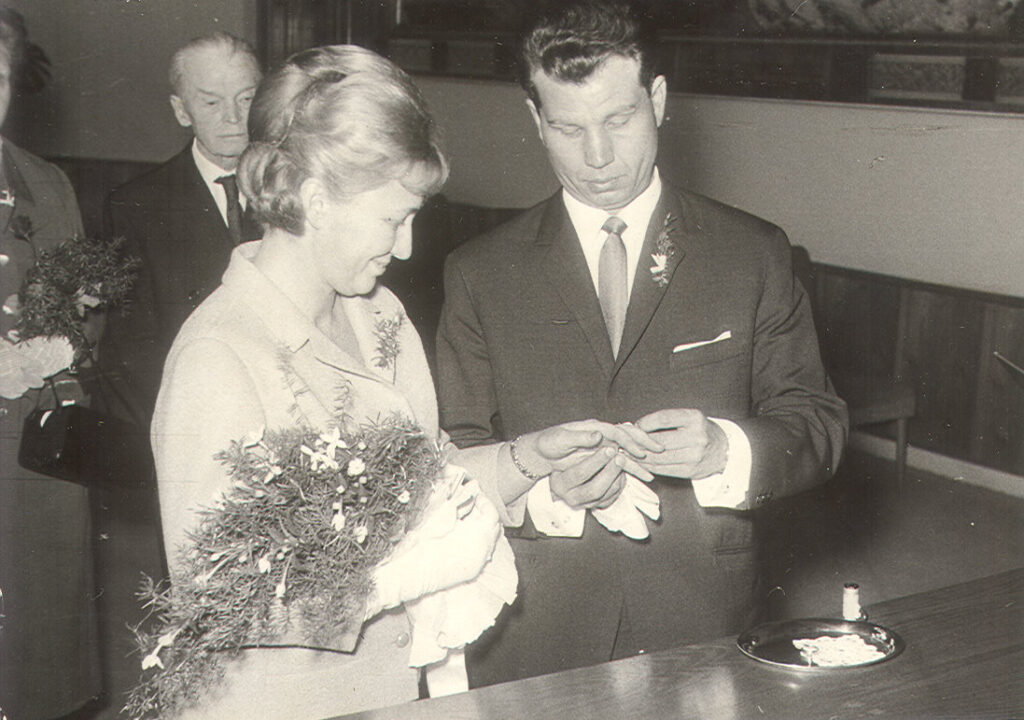
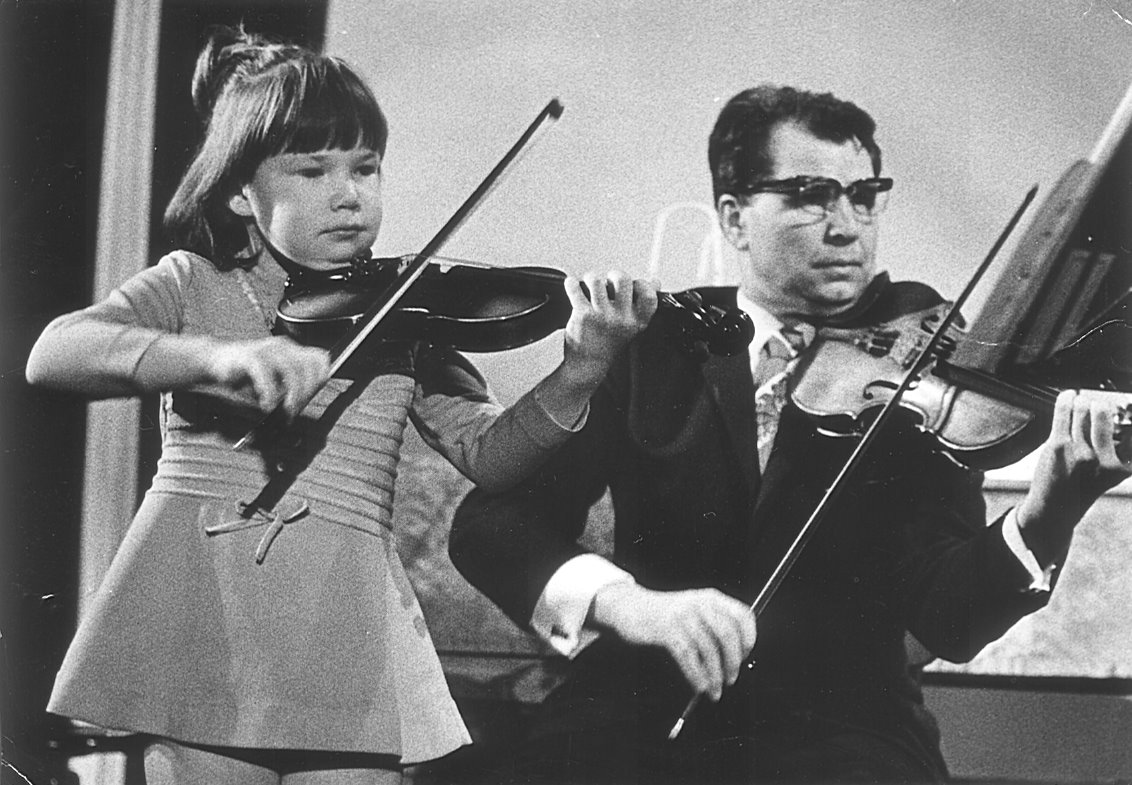
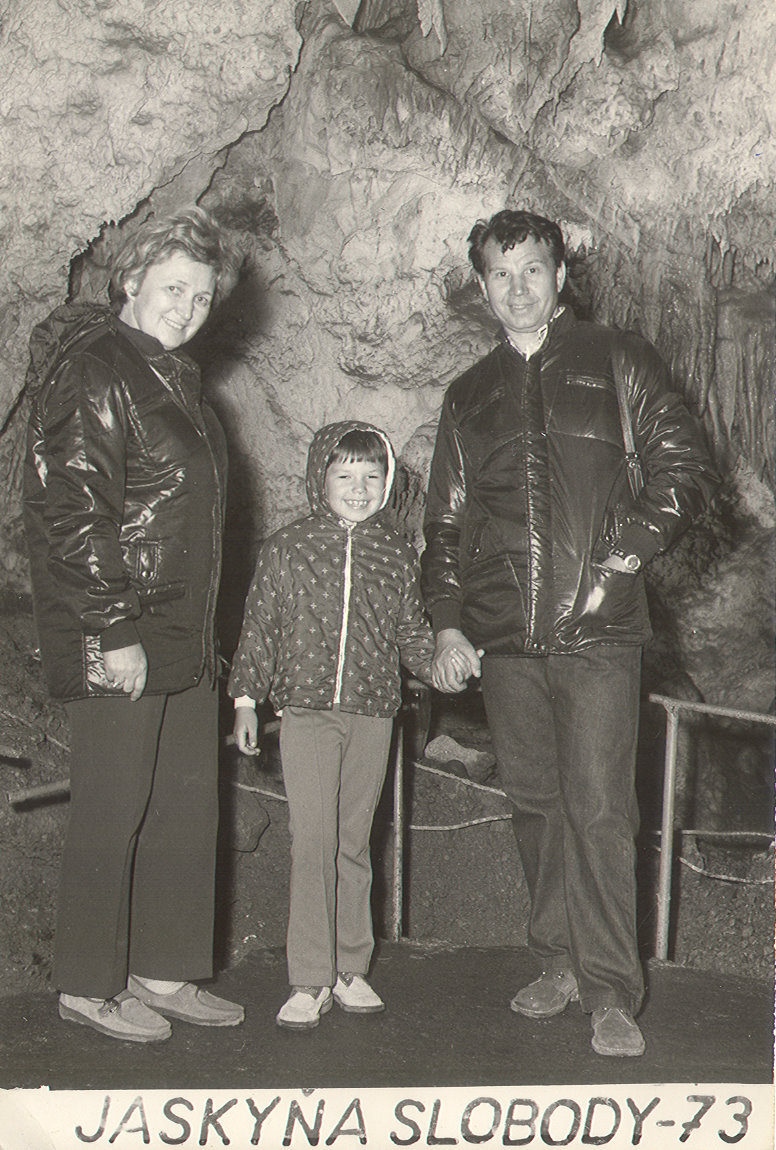
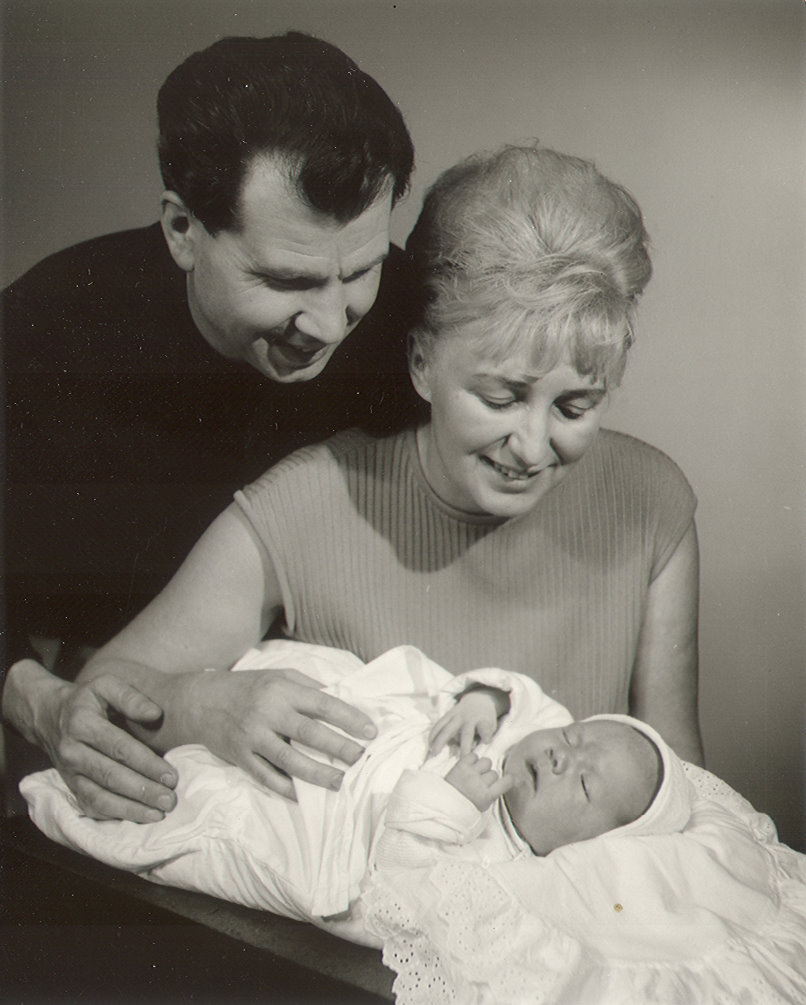
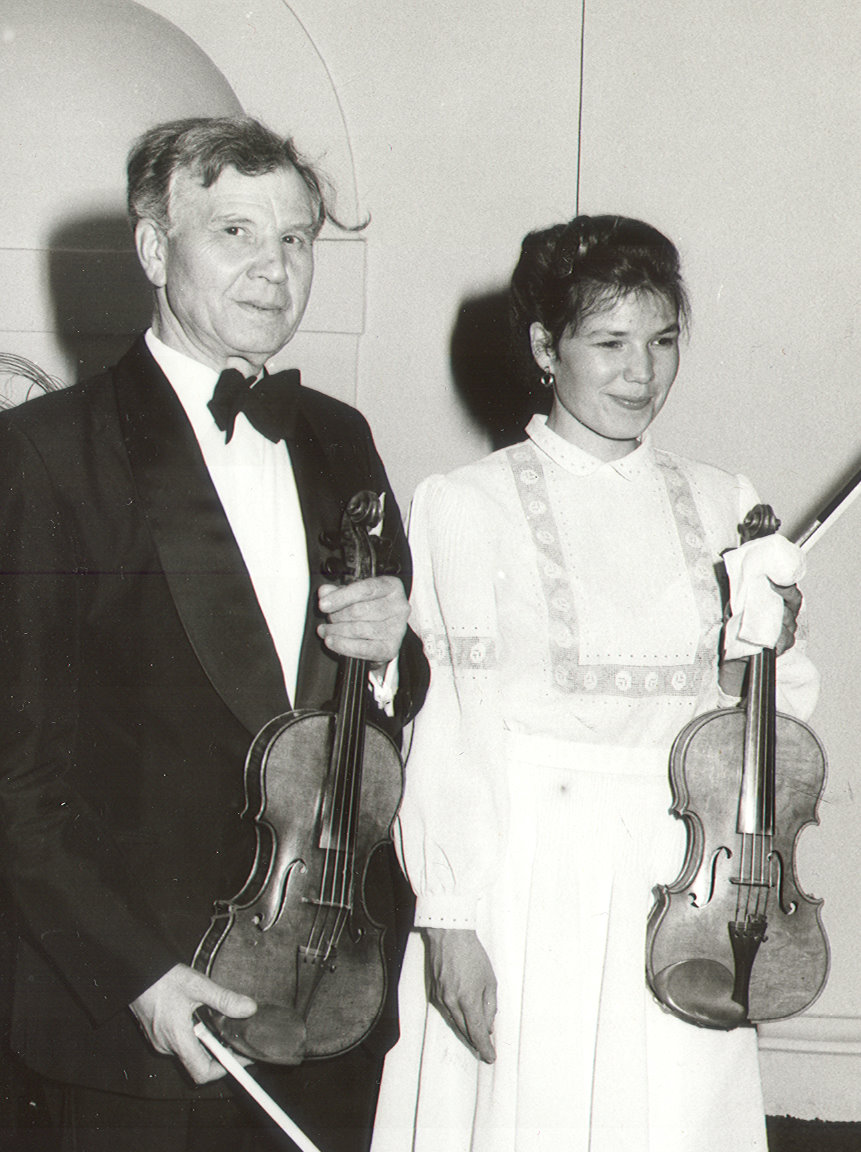
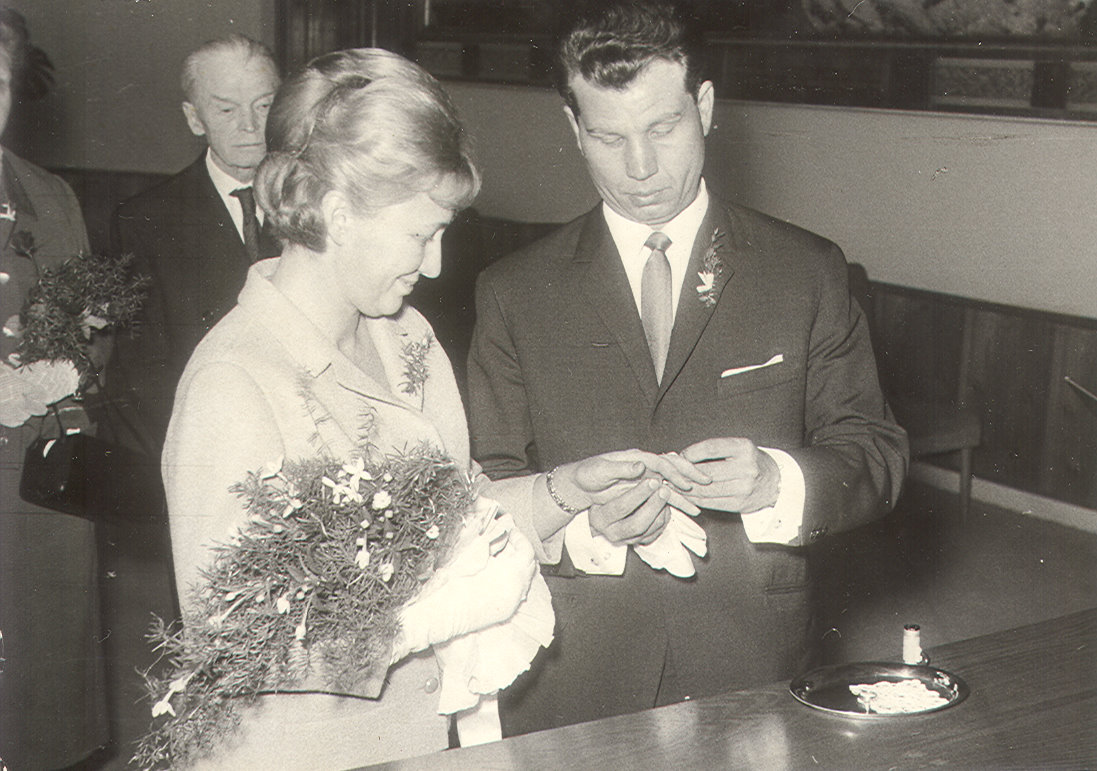
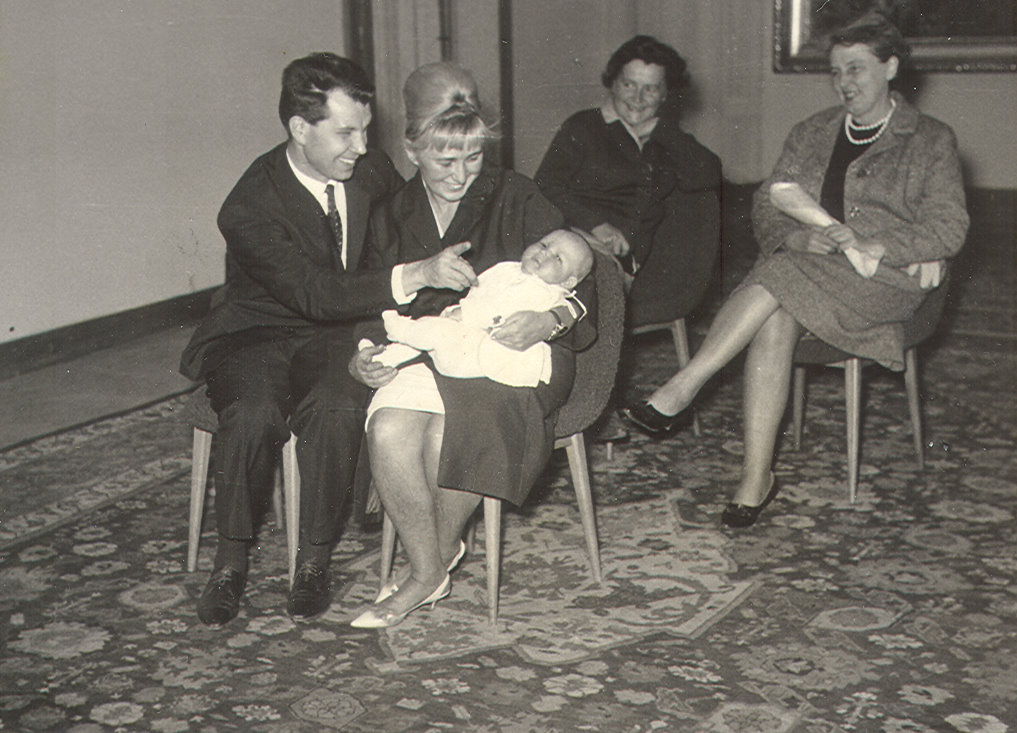
In 1964, he married the doctor Dagmar Dvořáková. They have one daughter Dagmar, who also plays the violin.
As a pedagogue, he worked at the Academy of Performing Arts (AMU) since 1969. His students included violinists Jiří Panocha, the first violin of the Panocha Quartet, Leoš Čepický, the first violin of the Wihan Quartet, Jan Kvapil, longtime second violinist of the Talich Quartet, and Hana Kotková, a violin virtuoso.
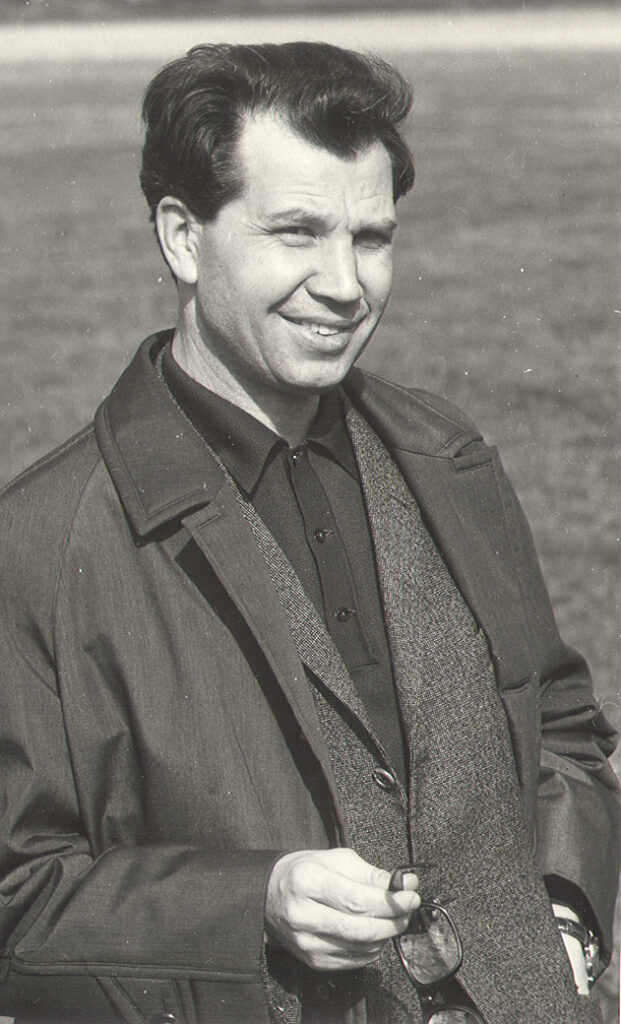
He ended his quartet activity in 1989.
However, he missed playing. For two years, he met with his friends cellist Viktor Moučka, a member of the Vlach Quartet, and Jaroslav Motlík, a viola player in ČF. It didn’t just stay with playing music at home. They performed at the Anežský klášter, where they played Mozart’s Trio in E-flat major, Lukáš’s trio. Together with Mrs. Eva Glancová, they performed Mozart’s piano quartet at the Slovans. At the Academy of Performing Arts in the Martinů Hall, they dedicated the whole evening to Bohuslav Martinů, Motlík and Novák performed a duo and followed it with a trio by the same composer.
Loaned “Stradivarius” violin called Libon from 1729 from Cremona, which he had since 1975, returned to the state collection. This instrument is named after the Spanish violinist Felipe Libon, who worked at the French and Portuguese courts. After Jiří Novák, the violin was loaned to Václav Hudeček and now Jan Talich has it.
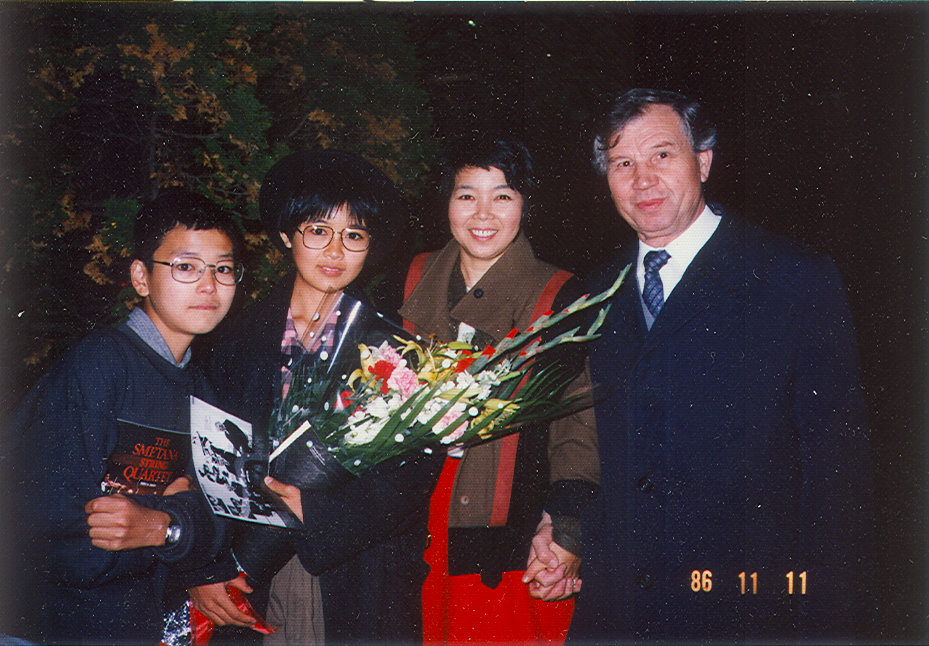
In August 1986, Jiří Novák was on the jury of the Karl Klinger Preis competition in Munich.
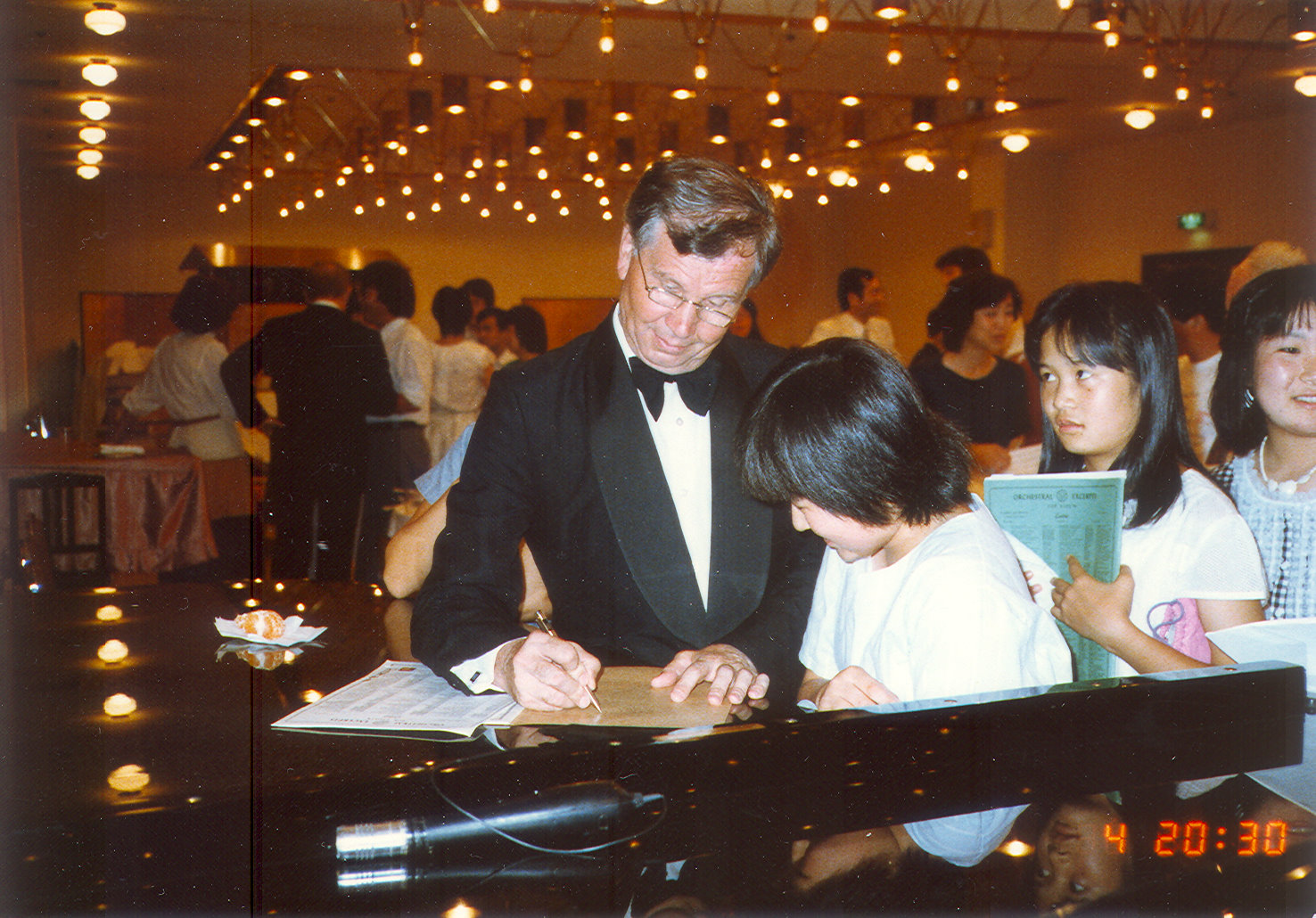
In 1989, he also participated in the Orlando festival in Kerkrade. There he exclusively focused on the Polish quartet. And in the same year, he was invited to Tokyo to the International Music Competition of Japan as a jury member.
In the following year, 1990, he traveled to the well-known festival in Kirishime, Japan, where he arrived alone without the members of Smetanovo Kvarteto.
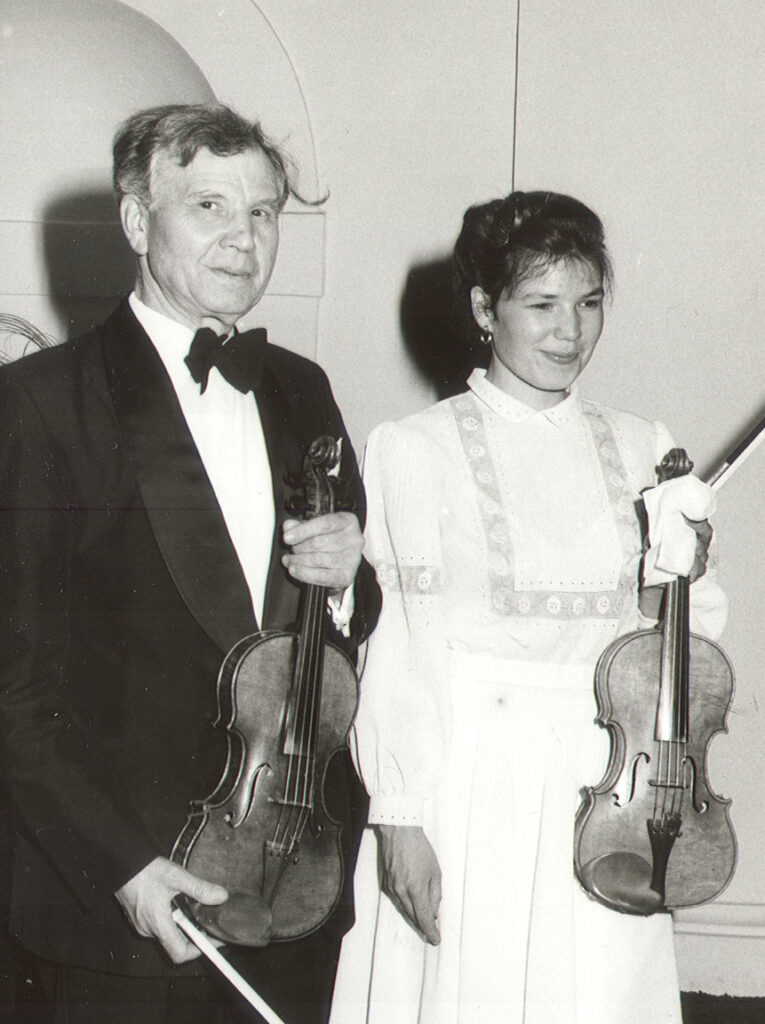
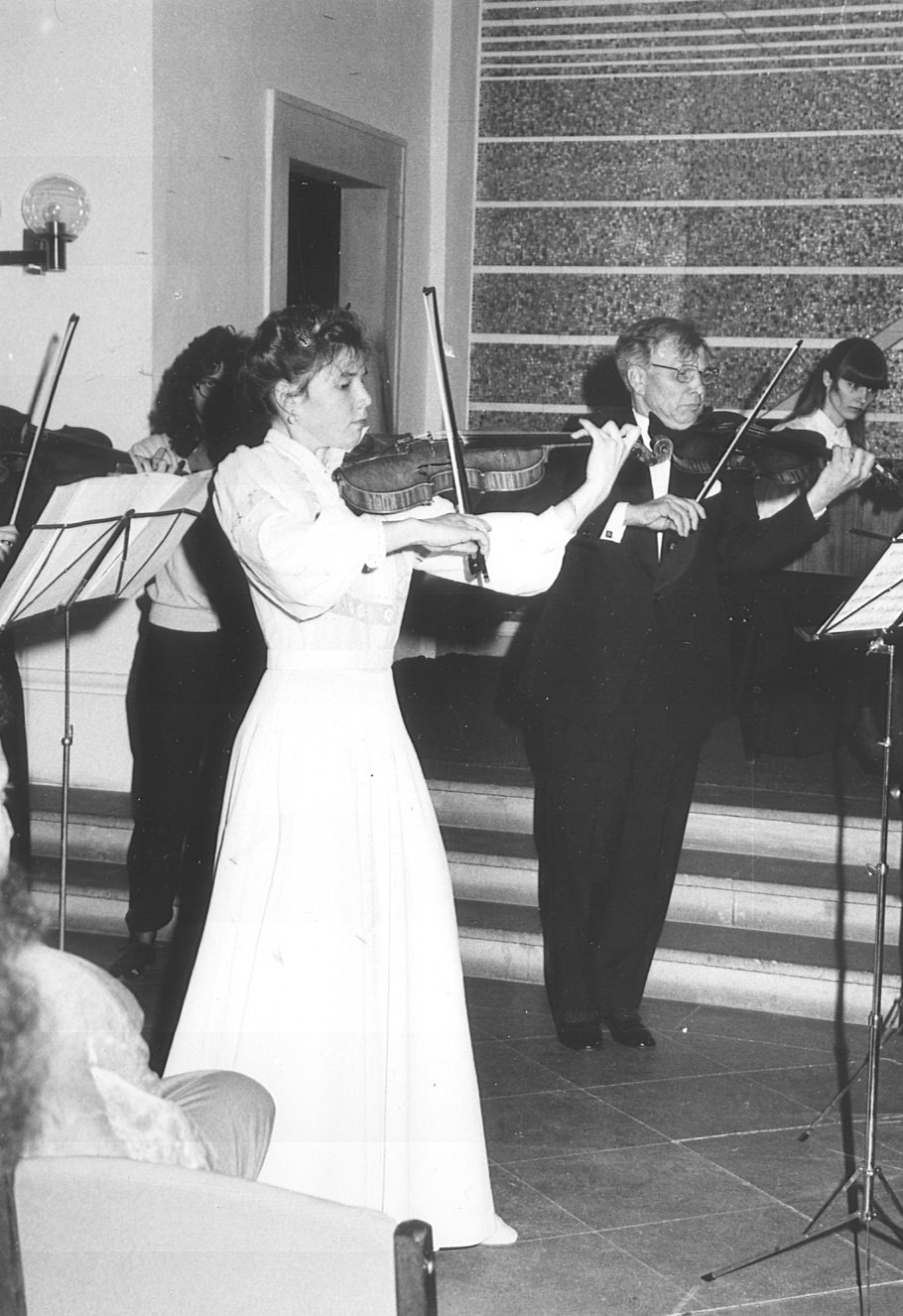
In 1996, at the age of 72, he once again took the position of the first violinist in a quartet with his daughter Dagmar, cellist Štěpánka Kutmanová, and violist Oldřich Vlček, all members of Virtuosi di Praga. They studied Mozart’s KV. 387 in G major and performed at the Krumlov Music Festival in the Masquerade Hall. This concert is also captured in Jaromil Jireš’s documentary about the Smetana Quartet.
Jiří Novák died in Prague on September 10, 2010.
Gallery